


What Is Microfiber Suede Leather And Why Is It Unique
Nov 11, 2025
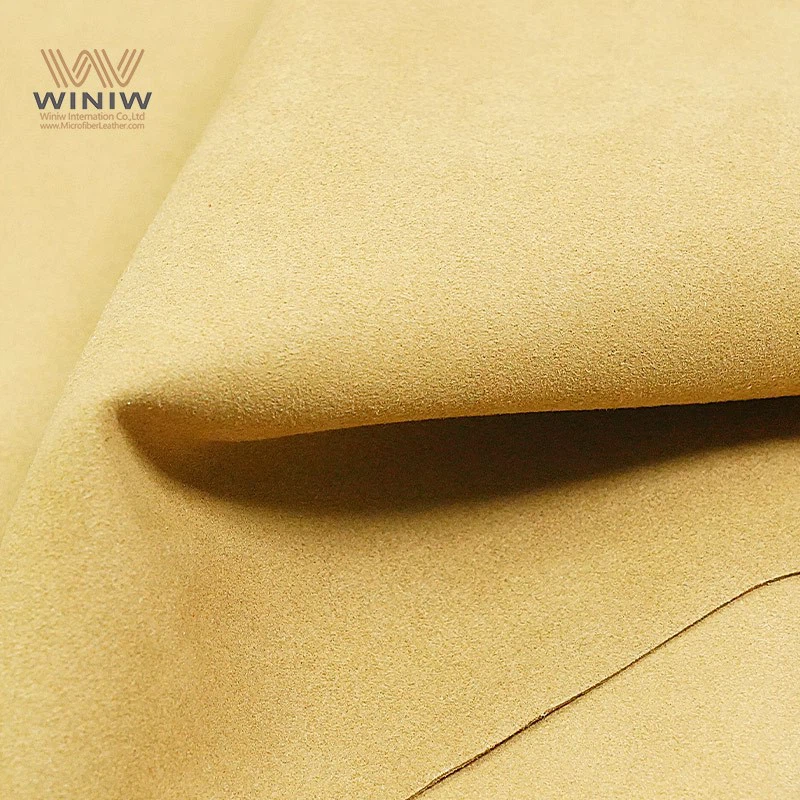
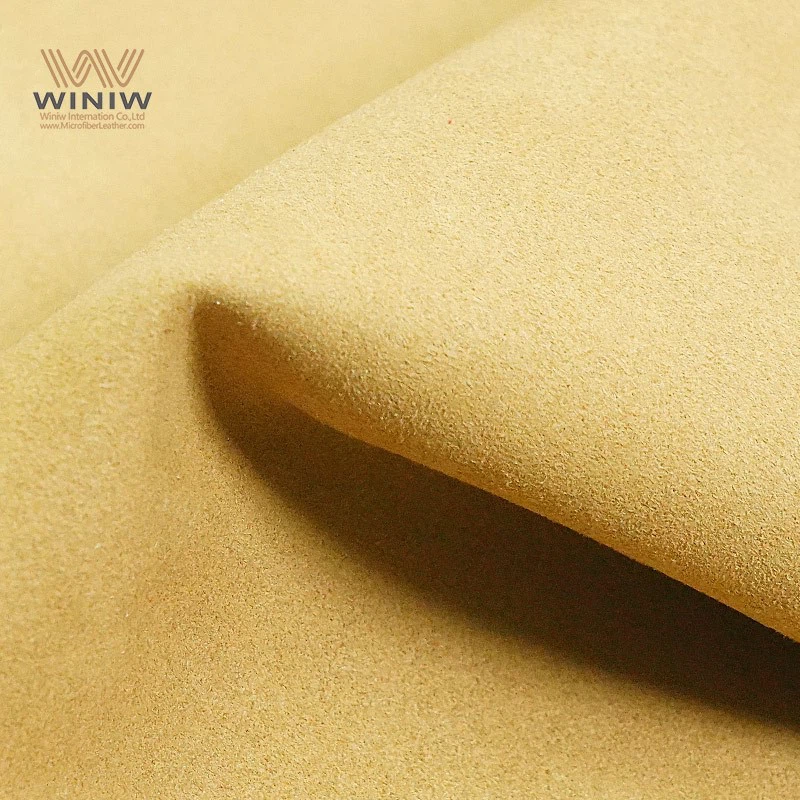
Microfiber suede leather refers to a high-end synthetic material crafted from ultra-fine fibers, mainly polyurethane. Manufacturers design this innovative textile to mimic the look and feel of genuine suede while providing superior performance.
Key properties set it apart from both natural suede and other synthetics: enhanced durability, stain resistance, and environmental benefits.
The global market size reached USD 1.2 Billion in 2024 and is projected to grow rapidly, driven by demand for sustainable and advanced textiles.
Industry trends highlight a compound annual growth rate of 8.5% through 2033, reflecting its unique appeal and versatility.
Key Takeaways
Microfiber suede leather mimics genuine suede while offering superior durability and stain resistance.
This material is eco-friendly, often made from recycled materials and produced using waterless processes.
Microfiber suede leather is easy to maintain; regular cleaning involves simple steps like wiping spills with a damp cloth.
It provides a luxurious feel and breathability, making it ideal for applications in fashion, furniture, and automotive interiors.
The growing demand for sustainable textiles drives the rapid market growth of microfiber suede leather.
Microfiber Suede Leather Overview
Definition
Microfiber suede leather represents a new generation of synthetic leather. Manufacturers engineer this material to closely resemble the appearance and tactile qualities of natural suede leather. Unlike traditional synthetic leather, microfiber leather uses ultra-fine fibers that create a soft, luxurious texture. This advanced material stands out for its ability to combine the elegance of suede leather with the resilience and practicality of synthetic leather.
Composition
Microfiber suede leather consists primarily of microfiber, which includes ultra-fine polyester and polyurethane fibers. These fibers measure less than one denier in diameter, making them much finer than human hair. The unique structure of microfiber allows manufacturers to replicate the intricate grain and nap of genuine suede leather. In recent years, the industry has shifted toward bio-based polyurethanes derived from renewable resources. This change reduces the environmental impact of microfiber leather production and supports sustainability goals.
|
Component |
Function |
|---|---|
|
Microfiber |
Provides softness and flexibility |
|
Polyurethane |
Adds durability and water resistance |
|
Bio-based inputs |
Enhance sustainability and eco-friendliness |
Manufacturing
The production of microfiber suede leather involves several advanced processes. Manufacturers use precision techniques to weave and bond microfiber into a dense, uniform structure. Recent technological advancements, such as ultra-fine fiber technology and nanotechnology, have improved the replication of natural suede leather's grain and texture. Nanotechnology also enhances water repellency and antimicrobial resistance, making microfiber leather suitable for demanding applications.
Sustainability remains a core focus in the microfiber leather industry. Many producers now use waterless tanning processes and recycled materials to minimize waste. Artificial intelligence and machine learning optimize supply chains and quality control, ensuring consistent product quality.
Despite these innovations, manufacturers face several challenges:
High production costs due to premium polymers and advanced techniques
Volatile raw material prices and supply chain issues
Strict regulations on chemical use and sustainability
Intense competition from traditional and low-cost synthetic leather
The need to educate consumers about the benefits of microfiber suede leather
Characteristics of Microfiber Suede Leather


Appearance and Texture
Microfiber suede leather stands out for its refined appearance and luxurious texture. Manufacturers design microfiber leather to closely resemble the look of natural suede, capturing the subtle nap and matte finish that define the characteristics of suede. The ultra-fine fibers in microfiber create a soft, velvety surface that feels pleasant to the touch. This material offers a uniform color and grain, which ensures consistency across large surfaces. Unlike genuine suede, microfiber leather resists fading and maintains its vibrant appearance over time. The characteristics of microsuede include a lightweight feel and a supple drape, making it suitable for both fashion and upholstery applications.
Durability and Strength
Durability remains one of the most important characteristics of microfiber suede leather. The dense structure of microfiber fibers provides exceptional resistance to wear and tear. Microfiber leather withstands daily use in demanding environments, such as automotive interiors and furniture upholstery. It resists scratches, scuffs, and stretching better than many other synthetic materials. Microfiber suede leather also offers superior resistance to water and stains, making it a practical choice for households with children or pets. Compared to other synthetic options, microfiber leather is easier to maintain and more durable, although it may attract lint and pet hair. The robust construction ensures a long lifespan, reducing the need for frequent replacement and supporting sustainability.
Maintenance and Cleaning
Manufacturers recommend straightforward maintenance procedures for microfiber suede leather. Regular care helps preserve its appearance and extend its life. The following steps outline the best practices for cleaning microfiber leather:
Use a water-based or water-free cleaning agent to clean the surface.
Vacuum the material weekly to remove dirt and debris.
Address stains immediately by consulting the care tag and, for 'S' cleaning codes, using rubbing alcohol.
Microfiber leather's resistance to water and stains simplifies cleaning routines. Most spills can be wiped away with a damp cloth, and the material dries quickly. These characteristics make microfiber leather a preferred choice for busy households and commercial spaces. The easy maintenance also contributes to its growing popularity in automotive and furniture industries.
Comfort and Breathability
Comfort is a defining feature of microfiber suede leather. The fine fibers in microfiber allow air to circulate, enhancing breathability and reducing heat buildup. Microfiber leather feels soft and gentle against the skin, providing a comfortable seating or wearing experience. The lightweight nature of microfiber ensures that products remain easy to handle and move. Unlike some traditional synthetics, microfiber leather does not become stiff or sticky in warm conditions. This combination of softness, breathability, and flexibility makes microfiber leather ideal for applications where comfort is essential, such as car seats, sofas, and apparel.
Sustainability also plays a key role in the characteristics of microfiber suede leather. Many brands, such as WINIW, produce microfiber leather with low VOC emissions and eco-friendly processes. The durability of microfiber leather further supports sustainability by reducing waste and the need for frequent replacement.


Why Microfiber Suede Leather Is Unique
Microfiber Leather vs. Natural Suede
Microfiber leather stands out when compared to natural suede leather. Manufacturers design microfiber suede leather to replicate the soft nap and elegant appearance of genuine suede leather. However, microfiber leather offers several advantages that set it apart. Microfiber does not rely on animal resources, which makes it a more ethical and sustainable choice. Production of microfiber leather generates less pollution than traditional leather tanning, which often involves harsh chemicals and significant water usage.
Microfiber leather provides a more sustainable option due to lower pollution levels during production.
It reduces reliance on animal resources, supporting animal welfare.
Microfiber leather is easy to maintain and resists stains, unlike natural suede leather, which can absorb liquids and become damaged easily.
Durability remains a key benefit, as microfiber leather withstands daily wear better than natural suede.
Natural suede leather offers a luxurious feel, but it requires careful maintenance and is prone to water damage. Microfiber suede leather, in contrast, maintains its appearance and performance with minimal care. This difference makes microfiber leather a preferred material for busy households and commercial environments.
Microfiber Leather vs. Other Synthetics
Microfiber leather also surpasses many other synthetic materials in quality and performance. Traditional synthetic leathers, such as PVC or standard polyurethane, often lack the softness and breathability found in microfiber. Microfiber polyurethane leather uses ultra-fine fibers that create a texture and flexibility similar to real suede leather. This advanced structure allows microfiber leather to deliver a more natural look and feel.
Manufacturers ensure the quality and consistency of microfiber suede leather through strict quality control measures:
|
Quality Control Aspect |
Description |
|---|---|
|
Raw Material Acquisition |
Ensures that only high-quality materials are sourced for production. |
|
Production Monitoring |
Continuous oversight during manufacturing to maintain standards. |
|
Product Testing and Inspection |
Rigorous testing of the final product to ensure it meets quality specifications. |
|
Compliance with ISO9001 |
Adherence to international quality management standards to ensure consistency and reliability. |
Microfiber leather resists cracking, peeling, and fading, which can affect other synthetic leathers over time. The lightweight nature of microfiber makes it easier to handle and more comfortable in finished products. Microfiber also offers better breathability, which improves comfort in applications such as automotive interiors and furniture upholstery.
Unique Benefits and Uses
Microfiber suede leather delivers a unique combination of benefits that make it suitable for a wide range of applications. The benefits of microfiber leather include:
High durability and resistance to wear, stains, and water.
Lightweight and flexible structure, which enhances comfort.
Consistent color and texture across large surfaces.
Easy cleaning and low maintenance requirements.
Eco-friendly production processes that reduce environmental impact.
Manufacturers use microfiber leather in industries that demand both aesthetics and performance. Automotive interiors often feature microfiber suede leather for its luxurious feel and resistance to fading. Furniture makers choose microfiber for its durability and ease of cleaning. Fashion brands use microfiber leather in shoes, bags, and apparel, where both style and practicality matter.
Microfiber leather also supports sustainability goals. Many producers use recycled materials and waterless processes to minimize waste. The long lifespan of microfiber products reduces the need for frequent replacement, which further supports environmental responsibility.
Note: Microfiber suede leather continues to gain popularity as consumers and industries seek high-quality, sustainable alternatives to traditional materials.
Microfiber suede leather continues to redefine standards in modern material design. This advanced microfiber offers a soft, suede leather-like texture, exceptional durability, and easy maintenance. Manufacturers value microfiber for its lightweight feel and consistent appearance. The unique structure of microfiber ensures suede leather products remain vibrant and comfortable.
Digital transformation drives adoption of microfiber in retail and automotive sectors.
Sustainability initiatives shape microfiber product development.
Advanced technologies optimize microfiber manufacturing and logistics.
|
Factor |
Description |
|---|---|
|
Environmental Sustainability |
Microfiber pollution and disposal issues threaten regulatory restrictions and consumer acceptance. |
|
Market Fragmentation |
Numerous small producers limit economies of scale and hinder industry consolidation. |
|
Rapid Technological Changes |
Continuous innovation requirements increase operational costs and investment needs. |
Microfiber suede leather stands out as a sustainable, high-performance choice for designers and consumers. The versatility of microfiber supports applications in fashion, furniture, and automotive interiors. Companies seeking quality, comfort, and eco-friendly solutions should consider microfiber for their next suede leather project.


FAQ
What makes microfiber leather different from genuine suede?
Microfiber leather uses ultra-fine fibers to replicate the texture of suede. It offers higher durability, better stain resistance, and easier maintenance. Manufacturers do not use animal products in microfiber leather, making it a sustainable and ethical alternative.
Can microfiber leather be used for car interiors?
Many automotive brands choose microfiber leather for car interiors. This material resists fading, stains, and wear. Microfiber leather provides a luxurious feel and consistent appearance. Its lightweight structure also improves comfort and fuel efficiency in vehicles.
How should someone clean microfiber leather products?
Cleaning microfiber leather requires only simple steps. Use a damp cloth to wipe away spills. For deeper cleaning, apply a water-based cleaner. Microfiber leather dries quickly and resists water damage. Regular vacuuming helps maintain the material's appearance and texture.
Is microfiber leather environmentally friendly?
Manufacturers often use recycled materials and waterless processes to produce microfiber leather. This approach reduces pollution and conserves resources. Microfiber leather's long lifespan also decreases waste. Many brands now focus on eco-friendly production to meet sustainability goals.
What are the main uses of microfiber leather?
Microfiber leather appears in many industries. Furniture makers use it for sofas and chairs. Fashion brands select microfiber leather for shoes, bags, and jackets. Automotive companies rely on microfiber leather for seats and trim. Its versatility and performance drive widespread adoption.
You Might Also Like
-

Personalized Luggage Tags Microfiber Synthetic Leather
-
Microfiber Upholstery Sofa Leather Material
-

Tear Resistant Vegan Microfiber Fabric Synthetic Cars Lea...
-
Easy To Clean Imitation Microfiber Fabric Artificial Car ...
-
0.5mm Chemical Resistance Making Gift Box Cover Micro Fab...
-

Abrasion Resistant Micro Fiber Material Vegan PU Footwear...