


Your Premium Bio-Based Leather Supplier!
WINIW is equipped with cutting-edge technology and advanced production lines, enabling us to produce a wide range of synthetic leather. We specialize in the production of microfiber leather, PU and PVC leather, bio-based leather and other high-quality artificial leather. These materials are an up-and-coming trend in the fashion industry and have quickly become a popular alternative to genuine leather. WINIW faux leather products are highly durable, water-resistant, breathable and scratch-resistant. Additionally, they are eco-friendly, which aligns our company with the values of today's environmentally conscious marketplace.
WINIW Business Philosophy
Quality First
Service First
Integrity-Based
Win-Win Cooperation

High Quality Products
advanced equipment
professional team
Competitive Price

-
![Non-Toxic Bio-Based Car Seat Leather]()
Non-Toxic Bio-Based Car Seat Leather
Add to Inquiry -
![Hot Sale Bio-Based Car Seat Covers Material]()
Hot Sale Bio-Based Car Seat Covers Material
Add to Inquiry -
![Waterproof Bio-Based Upholstery For Cars]()
Waterproof Bio-Based Upholstery For Cars
Add to Inquiry -
![Breathable Bio-Based Car Interior Material]()
Breathable Bio-Based Car Interior Material
Add to Inquiry -
![Most Durable Bio-Based Car Seats Material]()
Most Durable Bio-Based Car Seats Material
Add to Inquiry -
![DMF Free Bio-Based Car Seats Upholstery]()
DMF Free Bio-Based Car Seats Upholstery
Add to Inquiry -
![UV-Resistant Bio-Based Car Upholstery Fabric]()
UV-Resistant Bio-Based Car Upholstery Fabric
Add to Inquiry -
![High Elastic Bio-Based Car Leather Upholstery]()
High Elastic Bio-Based Car Leather Upholstery
Add to Inquiry -
![Recycled Bio-Based Vinyl For Car Seats]()
Recycled Bio-Based Vinyl For Car Seats
Add to Inquiry -
![Anti-Mildew Bio-Based PU Leather For Cars]()
Anti-Mildew Bio-Based PU Leather For Cars
Add to Inquiry


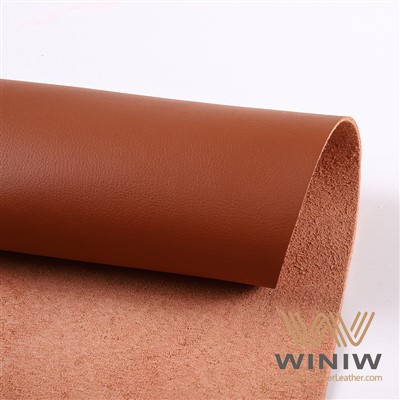


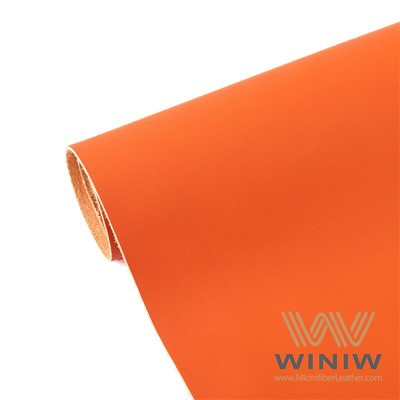
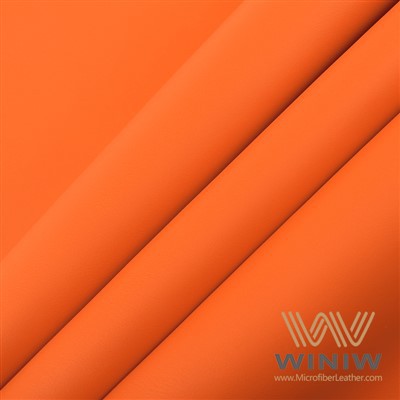


bio-based leather - a type of vegan leather
the Sustainable alternative
Bio-based leather is a type of leather made from renewable materials or bio-based raw materials. Its main raw materials include plant fibers, natural resins, microbial fibers, etc., which can be made through different production processes, and are environmentally friendly, sustainable and biodegradable.
What can be used?
Bio-based leather is mainly made from plant, microbe, or other materials of non-animal origin. These materials can be made from plant and vegetable materials such as apples, pineapples, mushrooms, cacti, grapes and mangoes, as well as waste and wood pulp.

manufacturing process
Raw material selection and handling
Bio-based leather typically uses renewable or bio-based raw materials such as cornstarch, microbially cultivated nanofibers, mycelium, etc.
Pulping And Forming
Bio-based waterborne polyurethane, polyester thickener, silicon wetting agent and other materials are mixed to form a slurry.
The slurry is dehydrated and molded to obtain vegan leather sheets, which are then pressed and dried to obtain a vegan leather base.
Composite layer formation
A bio-based polyurethane composite layer is formed on the bottom layer of leather fabrics, and its thickness is generally 80~120 microns.
Coat Processing
The leather material is coated to improve its performance and appearance.
why do we choose bio-based leather?
Environmental benefits
The traditional leather production process uses a lot of water and chemicals, resulting in serious water pollution and soil pollution. Bio-based leather, on the other hand, significantly reduces emissions through the use of non-toxic, odourless production processes. It is also more biodegradable and can be more easily decomposed after disposal.
economic benefits
Companies that adopt bio-based leather can enhance their brand image and attract more consumers who are concerned about sustainability and environmental protection. This not only helps businesses stand out in the market, but also strengthens consumer loyalty and purchase intent.

Product Advantages
01
Environmentally friendly and non-toxic
02
Degradation
03
Resistant to hydrolysis
04
Air Permeability
05
Mechanical Properties
06
Bionic Characteristic
Application Field
Covers multiple industries and product categories
Automotive Industry
Footwear And Apparel Field
Packaging Material
Textile Field
Luxury Brands
Accessories, toys, electronics, etc.


FAQ
Bio-based leathers are produced as a byproduct or waste material from other industries. For example, pineapple leather is made from the fibers of pineapple leaves that are typically discarded after the fruit is harvested for food. By using these waste materials, bio-based leathers help to reduce waste and minimize the environmental impact caused by traditional manufacturing processes.
Bio-based leather is often more durable than traditional leather, meaning that it is less likely to crack and wear over time. Additionally, because it is made from plant-based materials, it is often more flexible and less prone to drying out and becoming stiff. This means that you can expect your bio-based leather products to last longer and maintain their appearance over time.
Bio-based leather offers a bright future for the fashion industry. It aligns with the ethical and sustainability values of many consumers, has a lower environmental impact, is versatile in textures and colors, and has durability and quality comparable to traditional leather. As technology and innovation continue to advance, bio-based leather could become the norm in the fashion industry, leading to a more sustainable and environmentally conscious future.
Tannins occur naturally in certain plants, so they ensure the leather is completely biodegradable. Vegetable tanning is done by hand over several months. Because of the material and thoughtful craftsmanship, most vegetable tanned products will last decades, even centuries.
The global market for bio-based leather is estimated to increase from $668.6 million in 2023 to reach $902.4 million by 2028, at a compound annual growth rate (CAGR) of 6.2% from 2023 through 2028.
Winiw International Co., Ltd. is one of the leading bio-based leather manufacturers and suppliers in China. We warmly welcome you to wholesale high-grade bio-based leather made in China here from our factory. All products are with high quality and competitive price.
