


Exploring Microfiber Leather Strength in Modern Markets
Nov 13, 2025

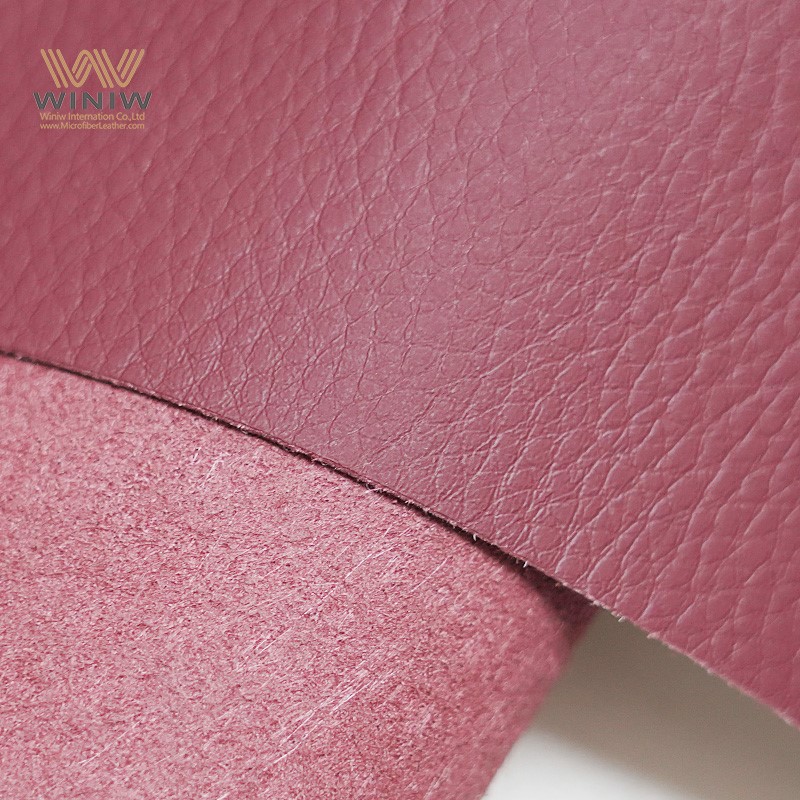
Microfiber leather stands out for its superior strength and resilience in demanding environments, showcasing impressive Microfiber Leather Durability. Recent innovations in microfiber technology enhance resistance to abrasion, chemicals, and staining. Manufacturers now favor eco-friendly production methods, meeting the rising demand for sustainable materials. Recent market reports show rapid expansion in sectors like automotive and fashion, as consumers seek cruelty-free and durable alternatives. The following table highlights durability characteristics across popular materials:
|
Material Type |
Durability Characteristics |
Applications |
|---|---|---|
|
Microfiber Leather |
Superior resistance to abrasion, chemicals, and staining, emphasizing its Microfiber Leather Durability |
Automotive interiors, furniture, etc. |
|
Treated Natural Leather |
Varies; can degrade faster in harsh environments |
General leather applications |
|
Synthetic Upholstery |
Higher replacement rates (10-15% more in commercial use) |
Furniture, upholstery |
Key Takeaways
Microfiber leather offers superior durability, resisting abrasion, chemicals, and stains, making it ideal for high-use products.
Eco-friendly production methods enhance microfiber leather's appeal, aligning with consumer demand for sustainable materials.
The automotive and fashion industries lead in adopting microfiber leather due to its strength, style, and cruelty-free nature.
Consumers benefit from microfiber leather's longevity, resulting in fewer replacements and lower maintenance costs.
Investing in microfiber leather products ensures reliable performance and satisfaction, as they maintain their appearance over time.
Microfiber Leather Durability
Durability Features
Microfiber leather durability sets a new standard in material strength. Manufacturers design this synthetic leather to withstand intense daily use. High-density microfibers form a tightly woven structure, which resists tearing and stretching. This composition allows products to retain their shape and integrity over time. Microfiber leather durability also includes resistance to chemicals and staining, making it suitable for environments where spills and exposure to harsh substances occur frequently.
Recent advancements in microfiber technology have improved the material's performance. Engineers have developed new weaving techniques that increase fiber density. These innovations enhance resistance to abrasion and extend the lifespan of products. For example, safety shoes made with microfiber leather last up to 50% longer than those crafted from conventional materials. The material excels in high-wear areas such as toes, heels, and uppers, where friction is most intense. Microfiber leather durability ensures that products maintain their appearance and function even after prolonged use.
Note: Microfiber leather durability benefits from eco-friendly production methods. Manufacturers now use water-based adhesives and reduce harmful chemical emissions, aligning with global sustainability goals.
Performance Metrics
Manufacturers and industry experts evaluate microfiber leather durability using standardized tests. Abrasion resistance stands out as a key metric. In laboratory settings, microfiber leather consistently outperforms traditional leather. The material endures repeated friction without significant wear, which is critical for automotive interiors, footwear, and furniture.
Other performance metrics include tensile strength, colorfastness, and resistance to environmental factors. Microfiber leather demonstrates high tensile strength, meaning it can handle stretching and pulling forces without damage. Colorfastness ensures that the material retains its original appearance after exposure to sunlight or cleaning agents. Resistance to moisture and temperature fluctuations further supports its use in diverse applications.
Manufacturers face several challenges when improving microfiber leather durability:
Technological limitations restrict breathability and aging properties compared to natural leather.
Cost competitiveness remains a concern due to fluctuating raw material prices.
Regulatory compliance requires adherence to strict standards for chemical use and environmental impact.
Microfiber leather durability continues to evolve as technology advances. Manufacturers invest in research to overcome these challenges and deliver products that meet consumer expectations for strength and longevity.
Material Comparison


Genuine Leather vs. Microfiber
Manufacturers often evaluate both genuine leather and microfiber leather when selecting materials for products. Genuine leather offers a premium handfeel and a classic appearance. However, it tends to degrade faster in harsh environments and shows inconsistencies in color and texture. Microfiber leather, on the other hand, provides a lightweight and durable alternative. Its tightly woven microfibers deliver high abrasion resistance and consistent quality.
The following table highlights key features that influence material selection:
|
Feature |
Microfiber Leather |
Genuine Leather |
|---|---|---|
|
Premium handfeel |
✓ |
✓ |
|
Lightweight & durable |
✓ |
✗ |
|
High abrasion resistance |
✓ |
✗ |
|
Consistent color & texture |
✓ |
✗ |
|
Animal-free |
✓ |
✗ |
|
Customization options |
✓ |
Limited |
|
Compliance with US/EU standards |
✓ |
Limited |
Microfiber leather excels in applications where durability, weight, and uniformity matter. Automotive interiors, sports equipment, and modern furniture benefit from its reliable performance. Manufacturers also prefer microfiber leather for its animal-free composition and ability to meet strict regulatory standards.
Tip: Microfiber Leather Durability ensures products maintain their appearance and function, even after extended use in demanding settings.

Other Synthetics
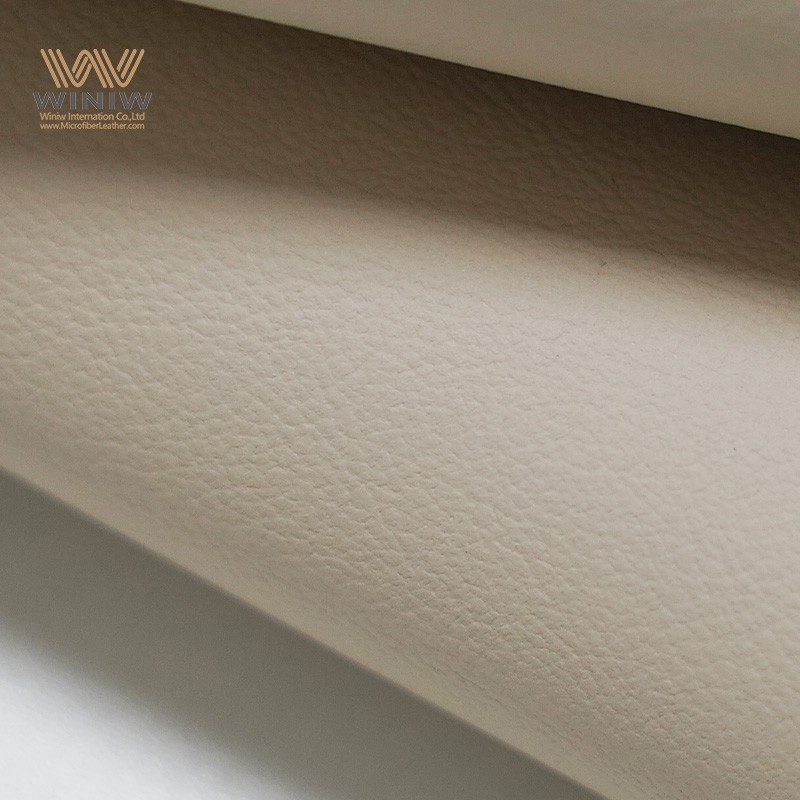
Other synthetic materials, such as PVC and PU leather, compete in the same market. These alternatives offer affordability and basic resistance to wear. However, they often lack the advanced durability and premium feel found in microfiber leather. PVC and PU tend to crack or peel over time, especially in high-traffic environments.
Microfiber leather stands out due to its superior abrasion resistance and longer lifespan. Its customizable properties allow manufacturers to create products with specific textures, colors, and finishes. This versatility supports a wide range of applications, from luxury goods to everyday items.
Manufacturers choose microfiber leather for products that require a balance of strength, sustainability, and aesthetic appeal. Its consistent quality and compliance with international standards make it a preferred choice in industries focused on longevity and consumer satisfaction.
Market Trends
Sustainability Focus
Industries now prioritize sustainability when selecting materials for production. The adoption of microfiber leather reflects a growing commitment to Environmental, Social, and Governance principles. Companies seek alternatives that comply with environmental regulations and satisfy consumer demand for eco-friendly products. This shift enhances the sustainability profile of the market and encourages innovation in manufacturing processes.
Manufacturers have introduced several eco-friendly production methods to improve the environmental impact of microfiber leather.
They emphasize a circular economy by reducing waste, reusing materials, and recycling resources.
Research and development investments focus on making microfiber leather easier to recycle or biodegrade.
Many producers now offer solvent-free and bio-based microfiber leathers to address environmental concerns.
International regulations play a significant role in shaping production practices.
Environmental protection standards guide the selection of raw materials and manufacturing techniques.
Chemical safety regulations influence the components used in microfiber leather.
Product quality standards ensure that finished goods meet market expectations.
Stricter rules on chemical use and waste disposal encourage the adoption of sustainable materials.
Policies promoting sustainable alternatives create a favorable market for eco-friendly microfiber leather.
Market Growth
The global market for microfiber synthetic leathers continues to expand.
The market is projected to grow at a compound annual growth rate of 5.8% from 2025 to 2032.
The current market value stands at approximately $XX billion, with expectations to reach $XX billion by 2032.
Several factors drive the increasing demand for green materials such as microfiber leather.
Sustainability motivates consumers to choose products that minimize environmental impact.
Ethical considerations lead buyers to prioritize animal welfare and cruelty-free alternatives.
Technological advancements improve the quality and performance of synthetic materials, making them more attractive.
Regulatory pressures push manufacturers to adopt greener materials, strengthening the market for microfiber leather.
Microfiber Leather Durability remains a key selling point, as consumers and industries seek long-lasting, sustainable solutions for diverse applications.
Industry Adoption
Automotive & Fashion
Automotive and fashion industries lead the adoption of microfiber leather. Car manufacturers select microfiber leather for vehicle interiors because it withstands daily wear and tear. Seats, dashboards, and door panels require materials that last and remain easy to clean. Microfiber leather meets these demands with its high resistance to abrasion and stains. This durability reduces maintenance costs and extends the lifespan of automotive interiors.
Fashion brands also embrace microfiber leather for its blend of strength and style. Designers value its consistent texture and wide range of colors. Eco-conscious consumers prefer products that offer both sustainability and a premium look. Microfiber leather provides a cruelty-free alternative to traditional leather, attracting buyers who seek ethical choices. Its durability ensures that shoes, bags, and accessories retain their appearance through frequent use.
Note: Microfiber leather's ability to endure heavy use and maintain a stylish finish makes it a top choice for both car interiors and fashion items.
Furniture & Sports
Furniture manufacturers increasingly turn to microfiber leather for sofas, chairs, and office seating. The material resists scratches and stains, which proves essential in homes and commercial spaces. Its easy maintenance appeals to families and businesses alike. Microfiber leather also offers a soft touch and modern appearance, enhancing the comfort and style of furniture.
Sports equipment producers rely on microfiber leather for products such as balls, gloves, and protective gear. The material's high tensile strength and flexibility support intense physical activity. Athletes benefit from gear that remains reliable and comfortable during repeated use. Manufacturers appreciate microfiber leather's ability to maintain shape and performance over time.
Key drivers for adoption in these sectors include:
Superior durability
Sustainable production methods
Consistent quality
Consumer demand for ethical materials
Microfiber leather's strength and eco-friendly profile continue to expand its role across diverse industries.


Consumer Insights
Durability Impact
Durability plays a decisive role in consumer purchasing decisions. Buyers often seek products that withstand daily wear and maintain their appearance over time. Microfiber leather appeals to these consumers because it offers superior resistance to abrasion, stains, and environmental stress. Many shoppers prioritize longevity, especially when investing in high-use items such as shoes, bags, or furniture.
Consumers recognize the value of materials that reduce replacement frequency. They associate durable products with cost savings and environmental responsibility. Microfiber leather meets these expectations by delivering consistent performance in demanding settings. Brands highlight durability as a key selling point, using it to differentiate their products in competitive markets.
Tip: Consumers who choose microfiber leather often report higher satisfaction due to the material's ability to retain its shape and color after extended use.
Product Longevity Examples
Manufacturers have introduced several products that showcase the long-lasting nature of microfiber leather. The following examples illustrate how durability benefits consumers in real-world applications:
Automotive Interiors: Car seats and dashboards made with microfiber leather resist fading and cracking, even after years of exposure to sunlight and temperature changes.
Footwear: Safety shoes and athletic sneakers feature microfiber leather uppers that maintain structural integrity and appearance through repeated use.
Furniture: Sofas and office chairs upholstered with microfiber leather remain free of scratches and stains, providing comfort and style for many years.
Sports Equipment: Soccer balls and gloves crafted from microfiber leather withstand intense physical activity and retain their shape season after season.
The table below summarizes product longevity across different categories:
|
Product Type |
Expected Lifespan |
Durability Benefit |
|---|---|---|
|
Car Interiors |
5–10 years |
Resists wear, easy to clean |
|
Safety Shoes |
2–3 years |
Maintains structure, stain-proof |
|
Sofas & Chairs |
7–12 years |
Scratch-resistant, retains color |
|
Sports Gear |
Multiple seasons |
Holds shape, flexible |
Microfiber leather's proven durability enhances consumer trust and satisfaction. Buyers continue to favor products that deliver lasting value and reliable performance.
Microfiber leather stands as a top choice in modern markets. Its durability and resistance to wear support long-lasting products across industries. Market trends highlight strong growth and rising demand for sustainable materials.
The market is projected to reach $6.4 billion by 2026, with a CAGR of 5.8%.
Consumers seek cruelty-free and eco-friendly options, driving adoption.
Manufacturers continue to invest in microfiber leather for its strength, sustainability, and reliable performance in contemporary applications.

FAQ
What makes microfiber leather more durable than other synthetic materials?
Microfiber leather uses densely woven microfibers that resist tearing and abrasion. Manufacturers apply advanced technology to improve strength and longevity. This structure allows products to withstand frequent use and maintain their appearance.
Is microfiber leather environmentally friendly?
Many producers use water-based adhesives and reduce chemical emissions during production. Microfiber leather often meets international environmental standards. Companies continue to invest in sustainable manufacturing methods to lower the material's ecological impact.
Can microfiber leather replace genuine leather in all applications?
Microfiber leather suits most uses, including automotive, fashion, and furniture. Some luxury products still prefer genuine leather for its unique texture. Microfiber leather offers consistent quality and durability, making it a strong alternative.
How do consumers benefit from microfiber leather's durability?
Consumers experience fewer replacements and lower maintenance costs. Products made with microfiber leather retain shape and color after extended use. Buyers value the material's reliability in shoes, bags, and furniture.
What care does microfiber leather require?
Microfiber leather cleans easily with a damp cloth. Avoid harsh chemicals to preserve its finish. Regular maintenance helps extend product lifespan and keeps surfaces looking new.
You Might Also Like
-

Vegan Microfiber Leather For Auto Interior Upholstery Fabric
-
Embossed Pu Synthetic Leather Material For Gloves Making
-

Best Drying Towel For Cars
-

High Elastic PU Faux Leather Synthetic Car Interior Trim ...
-

0.4mm Softness And Elasticity Biobased Leather For Making...
-

1.8mm Suede Nubuck For Shoes Making Material