


Simple Ways To Clean And Maintain Microfiber Leather Couches
Nov 10, 2025


I know that keeping Microfiber Leather Couches in top condition takes simple routines. I always start with regular dusting and respond quickly to spills. Gentle cleaning methods protect the material and keep it looking new. Microfiber leather stands out for its durability and stain resistance, making it easier to clean. Families with kids or pets find it ideal due to its low maintenance. Compared to genuine leather, microfiber requires less care.
|
Evidence |
Description |
|---|---|
|
Professional Cleaning |
Professional cleaning and maintenance can increase your couch's lifespan, saving you money. |
|
DIY Cleaning |
With the right care and cleaning, your furniture will last longer, saving both time and money. |
|
General Cleaning Benefits |
Cleaning your couch properly helps maintain its longevity and keeps it in great condition. |
Key Takeaways
Regular dusting with a dry microfiber cloth prevents dirt buildup and keeps your couch looking fresh.
Immediate response to spills is crucial. Blot spills gently to avoid stains and damage.
Use mild cleaning solutions and always perform a spot test before applying any cleaner to avoid discoloration.
Rotate seat cushions every few weeks to prevent sagging and maintain comfort.
Avoid harsh chemicals and excessive moisture to protect the couch's finish and extend its lifespan.
Quick Cleaning for Microfiber Leather Couches
Daily Dusting and Wiping
I always start my cleaning routine with daily dusting. I use a dry microfiber cloth because it lifts dust and dirt without scratching the surface. I gently wipe the entire couch, paying close attention to the armrests and seat cushions. I avoid using too much pressure, as aggressive rubbing can damage the finish. For stubborn spots, I lightly dampen the cloth with water, but I never soak the material.
Tip: I find that using a microfiber cloth specifically designed for furniture works best. It traps dust and leaves the surface looking fresh.
I make sure to clean the couch every day, especially if I have pets or kids at home. This habit prevents dirt from building up and keeps the couch looking new.
Weekly Vacuuming
Once a week, I take out my vacuum cleaner and attach the soft brush head. I carefully vacuum the entire surface of the couch. I focus on seams, crevices, and under the cushions, where crumbs and dust tend to hide. The soft brush attachment helps me clean without scratching or wearing down the material.
I always move the vacuum gently over the surface. I avoid pressing too hard, as this can flatten the fibers and reduce the couch's softness. I check for any loose threads or signs of wear during this process.
Note: Regular vacuuming not only keeps microfiber leather couches clean but also extends their lifespan by preventing dirt from settling deep into the material.
By following these simple steps, I maintain a clean and comfortable couch. I find that gentle, consistent care makes a big difference in preserving the look and feel of my furniture.
Spot Cleaning and Stain Removal


Immediate Spill Response
I always address spills immediately when they happen on my microfiber leather couches. Quick action prevents a stain from setting into the material. I grab a clean microfiber cloth and gently blot the spill. I avoid rubbing because it can push the liquid deeper into the fibers. I repeat the blotting process until the area feels dry. If the spill is sticky or leaves a residue, I use a slightly damp cloth to wipe the spot. I never soak the couch since excess moisture can damage the surface.
Tip: I keep a dedicated microfiber cloth nearby for emergencies. This habit helps me react fast and keeps my couch looking spotless.
Safe Cleaning Solutions
When I notice a stain that does not disappear with water alone, I choose a mild cleaning solution. I mix a small amount of gentle liquid detergent with warm water. I dip a clean cloth into the suds, not the liquid, and dab the stain. I avoid harsh chemicals because they can harm the finish and cause discoloration. For oily stains, I sometimes use a tiny bit of rubbing alcohol, but only if the manufacturer recommends it for true microfiber. I always use soft brushes or cloths to avoid scratching the surface.
Mild detergent works well for most stains.
Rubbing alcohol can help with stubborn marks, but I use it sparingly.
I never use bleach or ammonia-based cleaners.
Spot Test Before Cleaning
Before I apply any cleaning solution to a visible area, I perform a spot test. I select a hidden patch on the couch and dab a small amount of cleaner. I wait a few minutes and observe the fabric's reaction. If I see fading or discoloration, I do not use that cleaner on the stain.
Spot testing helps me avoid permanent damage.
I check for color changes before treating the main stain.
Manufacturers recommend this step to protect the couch's appearance.
By following these steps, I keep my microfiber leather couches clean and free from stains. I rely on gentle products and quick responses to maintain the material's quality.
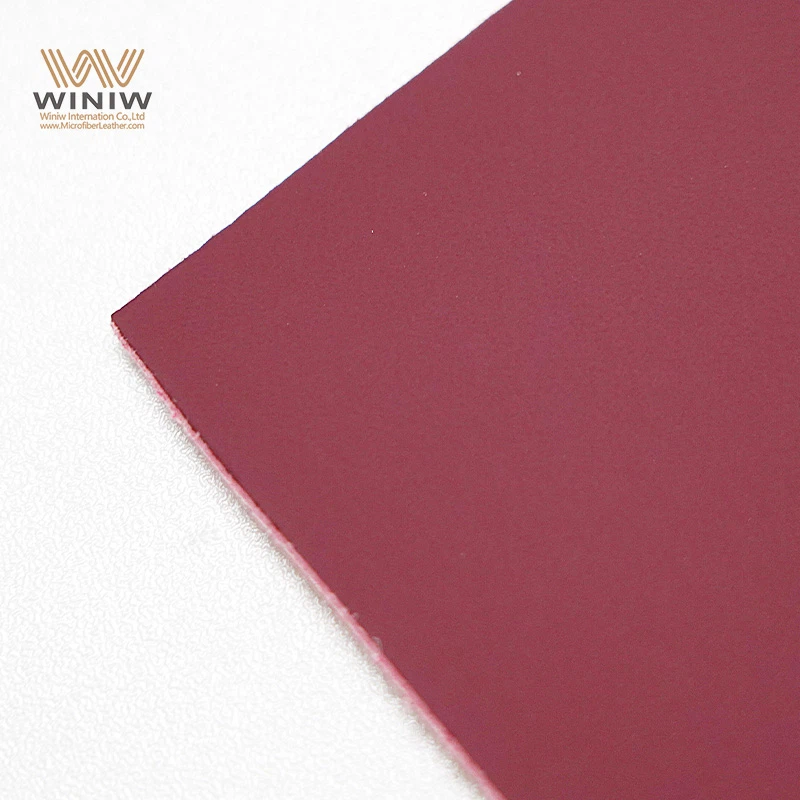

Steps to Clean and Sanitize a Leather Couch
Using Suds and Soft Brushes
I always begin the steps to clean and sanitize a leather couch by preparing a gentle cleaning solution. I mix a few drops of mild liquid detergent with warm water. I use only the suds, not the liquid, to avoid soaking the couch. I dip a soft brush into the suds and gently scrub the surface in small circles. I pay close attention to seams and crevices, where dust and allergens tend to collect. I never use excessive water because moisture can damage microfiber leather couches and lead to mold growth.
Tip: I use a soft-bristled brush designed for upholstery. This tool helps me lift dirt without scratching or wearing down the material.
I wipe away the suds with a clean, dry microfiber cloth. I make sure the couch dries completely before anyone sits on it. This method keeps the surface fresh and helps remove common allergens such as dust mites, pollen, pet dander, food crumbs, sweat, and mold spores. These allergens can aggravate allergies, impact indoor air quality, and even cause odors.
Rubbing Alcohol for True Microfiber
When I encounter stubborn stains on true microfiber, I reach for rubbing alcohol. I pour a small amount onto a clean cloth and gently dab the affected area. I avoid scrubbing, which can damage the fibers. Rubbing alcohol evaporates quickly, so it does not soak the couch. I always check the manufacturer's care instructions before using alcohol, as some faux leather finishes may react poorly.
I find that this step works well for removing oily marks and disinfecting the surface. I use rubbing alcohol sparingly and only when necessary. I always perform a spot test on a hidden area to ensure the color stays intact.
Homemade Cleaning Solutions
I prefer homemade cleaning solutions for faux leather couches. I mix equal parts olive oil and white vinegar in a spray bottle. I shake the mixture well and lightly mist the couch. I use a soft cloth to buff the surface, which helps restore shine and remove grime. Olive oil conditions the material, while vinegar acts as a natural disinfectant.
|
Ingredient |
Purpose |
|---|---|
|
Olive Oil |
Conditions and shines |
|
White Vinegar |
Disinfects and cleans |
I avoid using harsh chemicals or abrasive sponges. I stick to gentle, natural ingredients that protect the couch's finish. I follow these steps to clean and sanitize a leather couch regularly, which keeps my furniture looking new and reduces allergens.
Regular vacuuming helps remove allergens.
Professional-grade power vacuuming removes dry soil and hidden debris.
This process reduces dust mites, pollen, and pet hair that can trigger allergies.
I always follow the steps to clean and sanitize a leather couch to maintain a healthy home environment. I notice fewer allergy symptoms and better indoor air quality after each cleaning session. Microfiber leather couches respond well to these routines, staying fresh and comfortable for years.
Maintenance for Microfiber Leather Couches

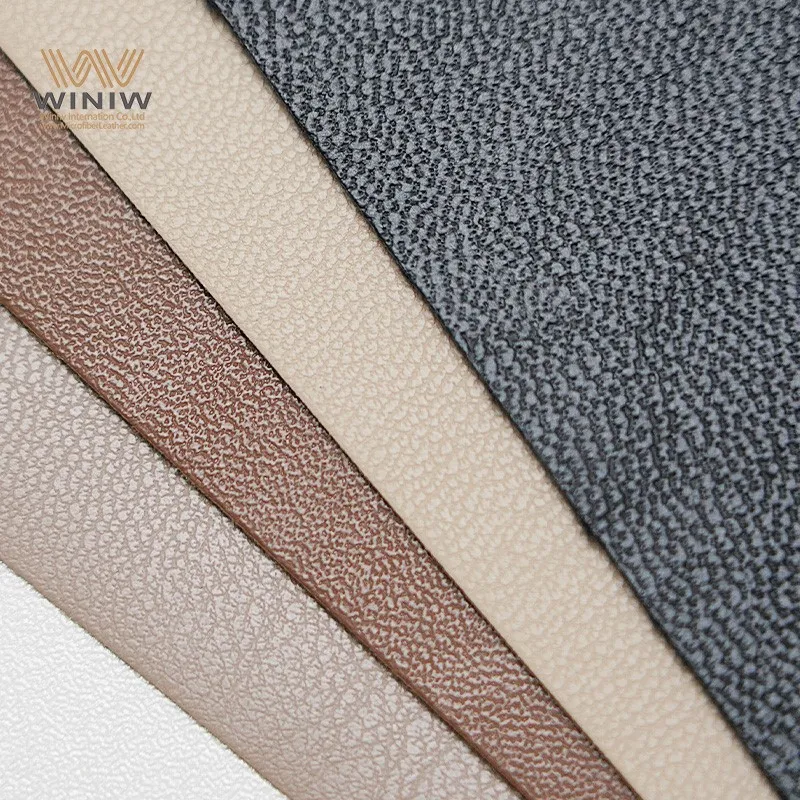
Preventing Wear
I prioritize maintenance by preventing wear on my microfiber leather couches. I rotate the seat cushions every few weeks. This habit distributes pressure evenly and reduces the risk of sagging or permanent indentations. I ask family members to avoid sitting in the same spot each time. I remind guests not to place sharp objects or heavy bags on the couch. These simple steps help me preserve the structure and appearance of the furniture.
I recommend keeping pets' nails trimmed and using throws or covers in high-traffic areas. These actions minimize scratches and scuffs.
Protecting the Material
I focus on protecting the material through consistent maintenance. I keep the couch away from direct sunlight, which can cause fading and drying. I maintain indoor humidity between 30% and 50%. This range prevents mold growth and keeps the material supple. I use a small humidifier during dry seasons and a dehumidifier when humidity rises. Experts suggest that these humidity levels benefit both the couch and overall health.
Maintain humidity between 30% and 50%
Avoid placing the couch near radiators or air vents
Use gentle cleaning products only
I place the couch in a spot with good airflow. I avoid eating or drinking on the couch to reduce the risk of stains. I choose cleaning products designed for microfiber leather couches to ensure long-lasting protection.
Regular Inspection
I include regular inspection in my maintenance routine. I check the seams, stitching, and corners for signs of wear or damage. I look for loose threads, fading, or small tears. I address minor issues immediately to prevent them from worsening. I keep a repair kit handy for quick fixes. I schedule a thorough inspection every month.
|
Inspection Task |
Frequency |
Action |
|---|---|---|
|
Check seams |
Monthly |
Repair if needed |
|
Inspect cushions |
Bi-weekly |
Rotate or fluff |
|
Examine surface |
Weekly |
Clean and protect |
Regular inspection helps me catch problems early. I find that consistent maintenance keeps my microfiber leather couches looking new and comfortable.
Mistakes to Avoid
Harsh Chemicals
I never use harsh chemicals on my microfiber leather couches. Strong cleaners like bleach or ammonia can strip the finish and cause discoloration. I learned that even products labeled "all-purpose" may contain ingredients that damage the delicate surface. I always choose mild, pH-balanced cleaners designed for synthetic leather. When I see a stubborn stain, I resist the urge to reach for something stronger. Instead, I rely on gentle solutions and soft cloths. This approach keeps my couch looking vibrant and prevents premature aging.
Tip: I always read the label before using any cleaning product. If I feel unsure, I test it on a hidden spot first.
Over-Wetting
I pay close attention to how much moisture I use during cleaning. Over-wetting is one of the most common mistakes people make with microfiber leather couches. I have seen firsthand how too much water can cause several problems:
Mildew can start to grow inside the upholstery.
Springs and metal parts may begin to rust.
Excessive moisture sometimes voids the furniture warranty.
The couch may develop a musty odor or lose its shape.
I always use only the suds from my cleaning solution and never soak the material. I blot spills instead of scrubbing with a wet cloth. After cleaning, I make sure the couch dries completely before anyone sits on it.
Ignoring Instructions
I always check the manufacturer's care instructions before I clean my couch. Each brand may have specific recommendations or warnings. Ignoring these guidelines can lead to permanent damage or void the warranty. I keep the care tag or manual in a safe place for easy reference. If I lose the instructions, I visit the manufacturer's website or contact customer service for advice.
Note: Following the correct instructions helps me avoid costly mistakes and keeps my microfiber leather couch in top condition.
I keep my microfiber leather couch looking its best by following simple cleaning and maintenance routines. Regular dusting, quick spill response, and gentle cleaning methods help me eliminate dirt, oils, and allergens. This approach prevents buildup that can make the couch look dull or worn. I notice that consistent care extends the life and appearance of my furniture.
By sticking to these habits, I protect my investment and enjoy a fresh, comfortable couch every day.

FAQ
How often should I clean and sanitize leather couches?
I clean my leather couch weekly and sanitize leather surfaces every month. I use a gentle microfiber cloth for dusting and a mild cleaner for deeper cleaning. Regular care helps maintain the couch's appearance and prevents buildup of dirt and allergens.
Can I use leather conditioner on microfiber leather?
I use leather conditioner only on genuine leather. Microfiber leather does not require leather conditioner. I focus on gentle cleaning and proper care to keep microfiber leather soft and durable. I always check the manufacturer's recommendations before applying any product.
What is the safest way to sanitize leather and remove odors?
I sanitize leather by using a homemade solution of vinegar and water. I wipe the surface with a microfiber cloth and let it air dry. This method removes odors and helps sanitize leather without damaging the material. I avoid harsh chemicals that can harm leather.
How do I handle tough stains on microfiber leather?
I blot stains immediately with a clean microfiber cloth. For stubborn marks, I use a small amount of rubbing alcohol or a mild detergent. I always spot test before cleaning. I never soak microfiber leather, and I sanitize the area after removing the stain.
Is direct sunlight harmful to leather and microfiber leather couches?
I keep my leather and microfiber leather couches away from direct sunlight. Sunlight can fade and dry out leather, causing cracks. Microfiber leather also loses its color and texture. I use curtains or blinds to protect my furniture and extend its lifespan.
Tip: I rotate cushions and sanitize leather regularly to prevent uneven wear and maintain a fresh look.
|
Material |
Needs Conditioner |
Sunlight Risk |
Best Cleaning Tool |
|---|---|---|---|
|
Leather |
Yes |
High |
Microfiber Cloth |
|
Microfiber Leather |
No |
High |
Microfiber Cloth |
You Might Also Like
-

Aging Resistant Micro Faux Artificial Fabric Car Interior...
-

1.4mm Artificial Vinyl Material PVC Automotive Decorative...
-

0.6mm Chemical Resistance Microfiber Leather For Making G...
-

Skin-friendly Micro Fiber Suede Leather For Auto Interior...
-

Withstanding PU Material Microfiber Synthetic Basketball ...
-

Flexible Micro Fiber Artificial Leather PU Material For B...