


Microfiber PU Football Facts Every Buyer Should Know
Jan 21, 2026
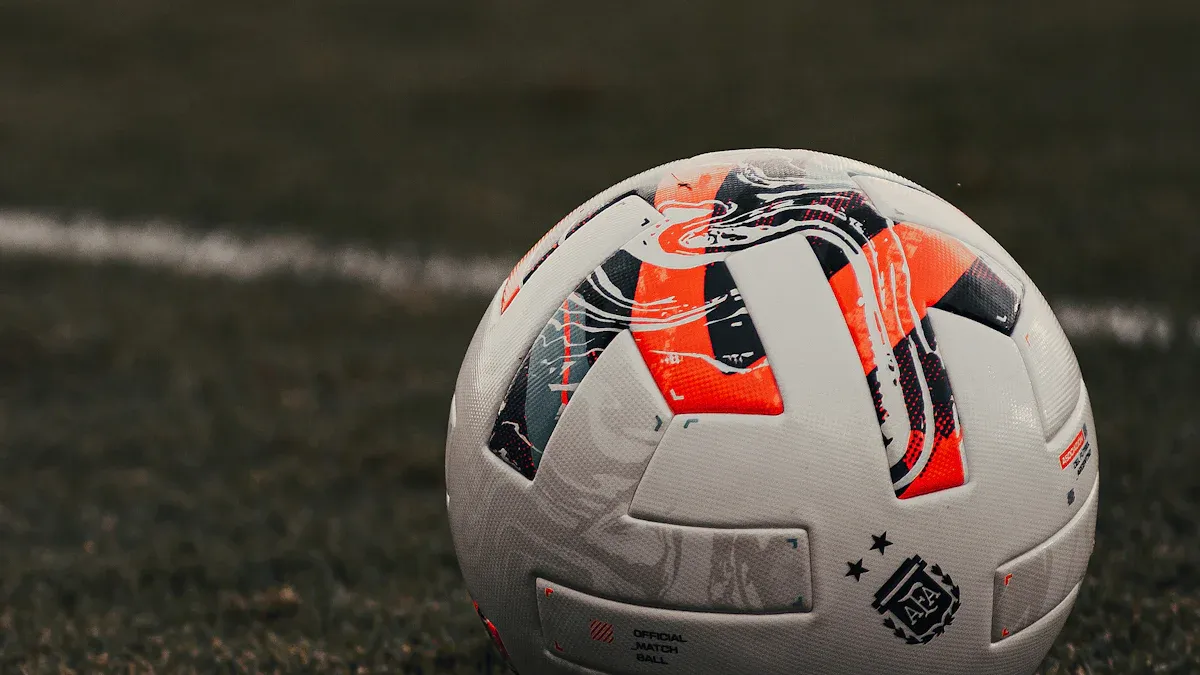
When I choose a microfiber pu football, I focus on the factors to consider that truly impact performance-material thickness, grip, durability, water resistance, and construction quality. I check for certifications to ensure the ball meets official standards. My experience shows that microfiber enhances both feel and control on the field. I recommend every buyer match the ball to their playing style and needs for the best results.
Key Takeaways
Choose a microfiber PU football with the right thickness for improved grip and control.
Look for a moisture-proof covering to maintain performance in wet conditions.
Select a ball with a textured surface for better handling and reduced slippage.
Check for nylon reinforcement and strong stitching to ensure durability and shape retention.
Match the football size to the player's age group for safety and skill development.
Invest in a ball from a trusted brand with official certifications for guaranteed quality.
Regularly clean and properly store your football to extend its lifespan and maintain performance.
Consider the balance between cost and quality; prioritize features that enhance playability.
Microfiber PU Football Material
Microfiber Thickness
When I select a microfiber pu football, I always check the thickness of the cover. Microfiber leather forms the outer layer of many modern balls. This synthetic material combines fine fibers with polyurethane to create a surface that feels soft yet resists wear. I have found that the right thickness improves grip and accuracy. A thicker cover absorbs impact better and maintains shape during intense play.
1.4mm Benefits
I prefer a 1.4mm microfiber layer for both training ball and match ball use. This thickness strikes a balance between softness and durability. It gives me a cushioned touch, which helps with ball control and reduces sting on my foot. The 1.4mm layer also resists abrasion, so the ball lasts longer even on rough fields. I notice that a high-quality ball with this thickness offers consistent performance in all weather conditions.
PU Leather Features
The cover of a pu material football uses synthetic leather for several reasons. I value the durability that comes from this construction. PU leather stands up to repeated kicks and tackles without losing its shape. The textile backing under the PU layer adds strength and helps the ball keep its roundness. I also appreciate the touch sensitivity of PU leather, which makes every pass and shot feel precise.
Tip: When I compare the best soccer balls, I always look for a durable pu material cover with a textile backing. This combination ensures the ball feels comfortable and performs well during long training sessions.
Moisture-Proof Covering
Moisture can ruin a football quickly. I always choose a pu material football with a moisture-proof covering. This feature keeps water out, so the ball stays light and easy to handle even in wet conditions. Microfiber leather with a sealed PU layer prevents water absorption, which means the ball does not get heavy or lose its bounce. I find this especially important for outdoor play, where rain or dew can affect the game.
Surface Texture
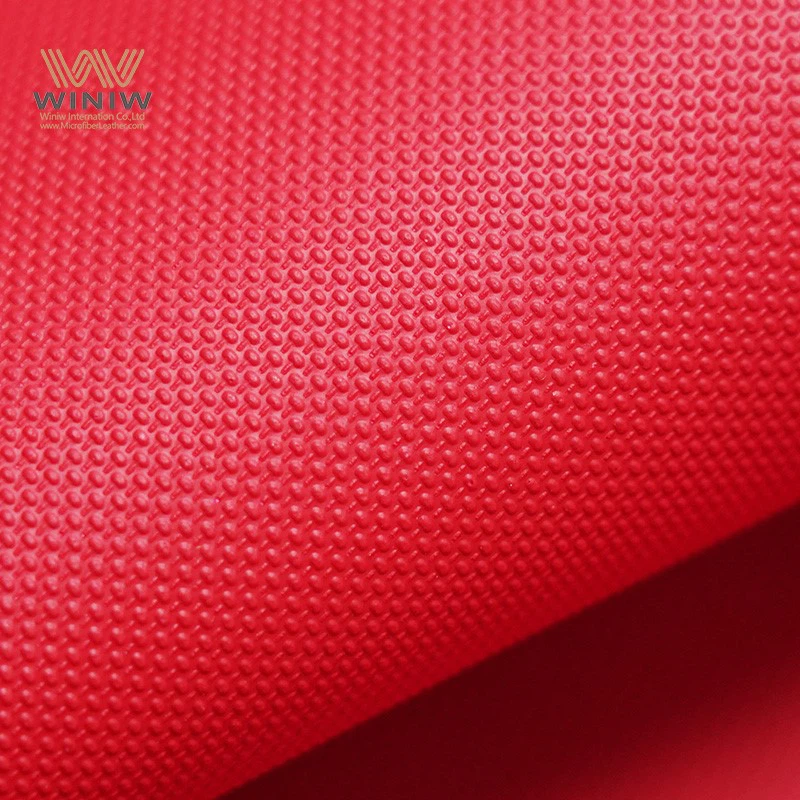
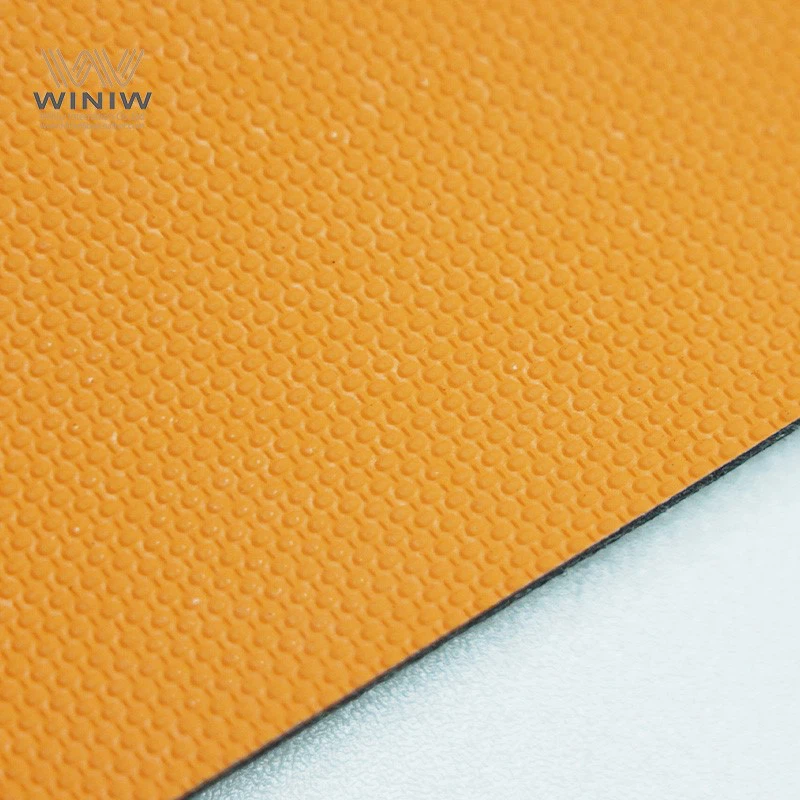
The surface texture of a microfiber pu football matters more than many players realize. I check for a slightly textured finish, which helps me grip the ball better. A smooth ball can slip in my hands or off my foot, but a textured surface gives me more control. Microfiber and synthetic materials allow manufacturers to create patterns that improve handling.
Grip and Finish
I always test the grip and finish before buying a pu material football. A good training ball should have a surface that feels tacky but not sticky. This grip helps me dribble, pass, and shoot with confidence. The finish should resist scuffs and scratches, keeping the ball looking new for longer. I believe that attention to these details separates a quality ball from a cheap imitation.
Note: When I consider all the factors to consider, I focus on material, thickness, and surface texture. These elements determine how the ball performs and how long it lasts.
|
Feature |
Benefit |
|---|---|
|
Microfiber Thickness |
Improved grip and accuracy |
|
PU Leather |
Durability and player comfort |
|
Moisture-Proof Cover |
Consistent performance in wet conditions |
|
Surface Texture |
Enhanced grip and ball control |
I always recommend choosing a pu material football with microfiber leather and a moisture-proof synthetic cover. This combination delivers the quality and reliability I expect from a high-quality ball.
PU Material Football Durability

Construction Quality
When I evaluate a pu material football, I always start with construction quality. The way a ball is built determines how long it will last and how well it performs during play. I look for solid internal structure and reliable materials. A high-quality ball should feel sturdy in my hands and maintain its shape after repeated kicks.
Nylon Reinforcement
Nylon reinforcement plays a key role in the durability of a pu material football. I prefer balls with a layer of nylon wound around the bladder. This reinforcement helps the ball keep its roundness and prevents deformation. Nylon also adds strength, so the ball can withstand hard shots and tackles. When I use a training ball with nylon reinforcement, I notice it holds up better over time, even on rough surfaces.
Panel Stitching
Panel stitching is another factor I consider when choosing a pu material football. I check the seams for tight, even stitching. Strong stitching keeps the panels together and reduces the risk of splitting. I have found that hand-stitched balls offer better durability than machine-stitched ones. The best soccer balls often use multiple layers of stitching for extra strength. When I select a match ball, I always inspect the seams to ensure they will last through intense games.
Tip: I recommend gently pressing along the seams before buying. If the stitching feels loose or uneven, the ball may not offer consistent performance.
Water Resistance
Water resistance is essential for any pu material football, especially for outdoor play. I have played in rain and on wet grass many times. A ball that absorbs water becomes heavy and loses its bounce. I always look for advanced water resistance technologies when I shop for a high-quality ball.
Composite vs. Leather
I compare composite and leather covers to see which offers better water resistance. Composite covers, made from synthetic materials like microfiber leather and polyurethane, resist water much better than natural leather. Microfiber PU footballs use sealed surfaces that keep moisture out. I have tested balls with thermal bonding and high-density PU coatings. These technologies create seamless surfaces and waterproof layers, so the ball stays light and balanced in wet conditions.
Here is a table showing how different water resistance technologies perform:
|
Technology |
Description |
Performance in Wet Conditions |
|---|---|---|
|
Thermal Bonding |
Seamless surface improves aerodynamics and reduces water absorption |
Minimizes water intake, enhances playability |
|
High-Density PU |
Waterproof coatings for rain and humidity |
Maintains weight and balance, reduces slippage |
|
Low Water Absorption |
Retains shape and responsiveness even when wet |
Accurate passes and shots despite wetness |
I always choose a pu material football with composite construction and advanced water resistance. This ensures consistent performance, whether I use the ball for training or matches.
Enhanced Laces
Enhanced laces make a big difference in grip and control. I pay close attention to the lacing system when I select a pu material football. Well-designed laces help me grip the ball better, especially during throw-ins or when I need precise control.
Grip and Control
I prefer balls with textured synthetic laces. These laces provide extra grip, so the ball does not slip from my hands. When I use a training ball with enhanced laces, I feel more confident in my passes and shots. The grip allows me to control the ball in both dry and wet conditions. Microfiber leather and synthetic covers work together to create a surface that feels secure and comfortable.
Note: I always test the grip of the laces before buying. A ball with poor lacing can affect my accuracy and control during play.
When I consider all the factors to consider for durability, I focus on construction quality, nylon reinforcement, panel stitching, water resistance, and enhanced laces. These features ensure that my pu material football delivers reliable performance and lasts through many games. I recommend investing in a high-quality ball with microfiber leather and synthetic materials for the best results.
Size and Weight Guide
Size Options
Selecting the right football size matters for both performance and safety. I always match the ball size to the age group and playing level. When I coach younger players, I notice they handle smaller balls with more confidence. The right fit helps them develop skills and reduces the risk of injury. For older players, a larger ball prepares them for competitive matches and league standards.
Age Group Fit
I rely on official guidelines to choose the best soccer balls for each age group. Here is a table I use to compare size options:
|
Ball Size |
Age Group |
Weight (grams) |
Weight (ounces) |
Circumference (cm) |
|---|---|---|---|---|
|
3 |
Under 8 |
300–320 |
10.6–11.3 |
58–60 |
|
4 |
U9–U12 |
350–390 |
12.3–13.8 |
62–64 |
|
5 |
U13 and above |
410–450 |
14–16 |
68–70 |
|
5 (Futsal) |
All ages |
400–440 |
14.1–15.5 |
62–64 |
|
5 (Indoor) |
All ages |
390–430 |
13.8–15.2 |
66–68 |
I see how size impacts performance and safety. For example, size 3 balls suit children under eight. These balls support skill development and minimize injury risk. Size 4 balls fit players aged nine to twelve, offering better control and playability. Size 5 balls meet league standards for players thirteen and older, ensuring consistent performance in matches.
|
Size Option |
Age Group |
Performance Impact |
Safety Considerations |
|---|---|---|---|
|
Size 3 |
5-8 years |
Suitable for skill development |
Reduces risk of injury |
|
Size 4 |
9-12 years |
Enhances control and playability |
Ensures proper handling |
|
Size 5 |
13+ years |
Optimized for competitive play |
Meets league standards |
Tip: I always recommend checking the age group fit before buying a microfiber pu football. The right size helps players build confidence and enjoy the game.
Weight Standards
Weight affects how a football moves and feels during play. I pay close attention to weight standards, especially when choosing between a training ball and a match ball. Lighter balls help younger players learn basic skills. Heavier balls prepare older players for competitive matches.
Training vs. Match
I use different balls for training and matches. Training balls often vary in weight and size, allowing players to practice specific skills. Match balls follow strict standards for official play. According to FIFA, a standard match ball (size 5) must weigh between 410 and 450 grams and measure 68 to 70 centimeters in circumference. I find that using a high-quality ball with these specifications ensures consistent performance on the field.
Here is a table I reference for match and training ball standards:
|
Type |
Weight Standard (grams) |
Circumference (cm) |
Pressure (psi) |
|---|---|---|---|
|
Match Ball |
410–450 |
68–70 |
8.5–15.6 |
|
Training Ball |
Varies |
Varies |
Varies |
I choose a pu material football with microfiber leather for both training and matches. The synthetic cover provides durability and quality, while the correct weight supports skill development and competitive play. I always test the ball's feel before making a purchase. A well-balanced training ball helps players improve technique, while a match ball guarantees fair play.
Note: I recommend using a microfiber pu football that meets official standards for weight and size. This ensures players experience consistent performance and safety at every level.
Grip and Feel
Surface Patterns
I always pay close attention to the surface patterns on a football. These patterns play a major role in how the ball grips the ground and my foot. When I select a training ball, I look for a textured surface. Raised patterns or micro-grooves help me maintain control during fast dribbles. I notice that a smooth ball often slips, especially when my shoes or hands get wet.
Wet/Dry Play
I have played in both dry and rainy conditions. The surface pattern makes a big difference in each situation. In dry weather, a textured training ball gives me a reliable grip. My passes stay accurate, and I can dribble with confidence. When the field gets wet, I rely on a ball with a well-designed pattern. The grooves channel water away and reduce slippage. This feature keeps the ball playable and safe, even during a downpour.
Tip: I always test the grip of a new ball by rolling it in my hands and bouncing it on different surfaces. A quality ball should feel secure in both wet and dry conditions.
Softness
The softness of a football affects how I control it. I prefer a ball with a slightly cushioned feel. Microfiber leather provides this softness without sacrificing durability. When I use a training ball with a soft touch, I can trap and pass with more accuracy. The ball responds to my foot instead of bouncing away.
Ball Control
I believe that ball control starts with the right materials. A pu material football with a microfiber cover gives me the best combination of softness and resilience. The synthetic layers absorb impact and help the ball keep its shape. This design allows me to practice advanced skills, like juggling and quick turns, without losing control. I have tested many balls, and the best soccer balls always balance softness with a responsive touch.
|
Feature |
Impact on Play |
|---|---|
|
Surface Patterns |
Improves grip |
|
Softness |
Enhances ball control |
|
Microfiber Leather |
Adds comfort and feel |
I always recommend choosing a training ball with a textured surface and a soft, synthetic cover. These features help me perform at my best, no matter the weather or playing surface.

Brand and Certification
Trusted Brands
When I shop for a pu material football, I always start by looking at the brand. Trusted brands have a reputation for delivering consistent quality and performance. I notice that global brands like Adidas, Nike, and Puma often set the standard for innovation and durability. These companies invest in research and development, which means their footballs feature advanced synthetic materials and construction techniques. I also pay attention to local brands. Sometimes, a regional manufacturer produces a training ball that matches the needs of my community or climate. Local brands can offer excellent value, especially when they use microfiber leather and modern design.
Global/Local Options
I compare global and local options before making a decision. Global brands usually offer the best soccer balls for competitive play, backed by years of expertise. Local brands may focus on affordability and customization, which suits recreational players or schools. I always check reviews and ask other players about their experiences. A reliable brand gives me confidence that my football will last through many matches and training sessions.
Tip: I recommend choosing a football from a brand with a proven track record. This reduces the risk of defects and ensures you get a ball that meets your expectations.
Official Certifications
Certifications matter when I want assurance of quality and performance. I look for official marks like FIFA, IMS, and NFHS on the ball. These certifications indicate that the football has passed rigorous testing for shape retention, water absorption, and rebound. I trust certified balls because they use superior synthetic materials and construction methods.
FIFA, IMS, NFHS
I rely on certification marks to guide my purchase. Here is a table that summarizes the most important certifications for microfiber PU footballs:
|
Certification Type |
Importance |
|---|---|
|
FIFA Quality Pro |
Validates performance testing for shape retention, water absorption, and rebound, essential for match play. |
|
IMS (International Match Standard) |
Ensures the ball meets international standards for match quality and performance. |
|
NFHS |
Confirms the ball meets standards for high school competitions in the United States. |
I notice that certified footballs often have higher resale value and are perceived as more reliable. When I invest in a FIFA Quality-marked ball, I know it will perform well in competitive matches. Certified balls use advanced microfiber leather and synthetic layers, which improve durability and responsiveness.
Official certifications like the FIFA Quality Mark increase the perceived quality and resale value of a football.
Certified balls feature superior materials and construction, enhancing performance and longevity.
I recommend choosing a certified ball for match play, as it guarantees reliability and quality.
I always check for certification marks before buying a training ball or match ball. This step ensures I get a football that meets international standards and delivers consistent results on the field.
Price and Value
Cost vs. Quality
I always weigh cost against quality before I buy a football. A higher price does not always guarantee better performance, but certain features do justify spending more. I look for advanced materials and construction methods that improve durability and playability. When I compare options, I focus on what matters most for my style of play.
Features Worth Paying For
I have learned that some features make a real difference on the field. I use this table to help me decide which upgrades are worth the investment:
|
Feature |
Description |
|---|---|
|
Material Composition |
I choose polyurethane over PVC for a softer touch and longer life. Microfiber composite or synthetic leather feels premium and lasts through tough matches. |
|
Bladder Type |
I prefer butyl rubber bladders because they hold air longer than latex. This means less time spent inflating and more time playing. |
|
Stitching Method |
Hand-stitched balls last the longest. Machine-stitched balls offer a good balance of price and strength. Thermal bonding gives a seamless finish but may not hold up under strong sunlight. |
|
Customization Options |
I look for fade-resistant printing or embossed textures. These details keep the ball looking sharp after many games. |
I always recommend investing in a pu material football with a microfiber composite cover and a butyl bladder. These features ensure the ball performs well and stands up to regular use. I avoid paying extra for flashy designs that do not improve function.
Finding Deals
I never rush into a purchase. I compare prices across different stores and online platforms. I check for seasonal sales, bundle offers, and discounts for bulk orders. Sometimes, I find that local shops offer better deals than big chains. I also read reviews to make sure the lower price does not mean lower quality.
Warranty/Returns
I always check the warranty and return policy before I buy a new training ball. A good warranty shows that the manufacturer stands behind their product. I look for at least a six-month warranty on stitching and shape retention. If a seller offers easy returns, I feel more confident in my purchase. I keep my receipt and packaging until I am sure the ball meets my expectations.
Tip: I always ask about after-sales support. Reliable customer service can save time and money if I need a replacement or repair.
I believe that balancing price and value leads to smarter buying decisions. I focus on features that improve performance and durability, not just the lowest price. This approach helps me get the most out of every football I buy.


Care and Maintenance
Cleaning Tips
I always clean my microfiber PU football after every session. Dirt and moisture can break down the synthetic cover if left unchecked. I use a soft, damp cloth to wipe away mud and grass stains. For stubborn spots, I mix a small amount of mild soap with water. I avoid harsh chemicals because they can damage the PU layer and fade the colors.
I never soak the ball in water. Immersion can weaken the seams and cause the inner bladder to deteriorate. Instead, I gently scrub the surface and dry the ball with a clean towel. I let the ball air dry at room temperature. I keep it away from direct sunlight or heaters, which can warp the shape and crack the synthetic leather.
Tip: I always check for small cuts or abrasions during cleaning. Early repairs prevent bigger problems later.
Avoiding Damage
I take several steps to prevent unnecessary wear and tear. I never kick my football against rough walls or concrete. Hard surfaces can scuff the microfiber and loosen the stitching. I use the ball only on grass or artificial turf. I also avoid sitting or standing on the ball, which can deform its shape.
Here is a quick checklist I follow to avoid damage:
Use only soft brushes or cloths for cleaning.
Store the ball away from sharp objects.
Inspect the seams and panels regularly.
Rotate the ball during play to distribute wear evenly.
Storage
Proper storage extends the life of my microfiber PU football. I always keep the ball in a cool, dry place. Humidity can cause mold and mildew, which degrade the synthetic materials. I use a breathable mesh bag for storage. This allows air to circulate and prevents moisture buildup.
I never leave my football in the trunk of a car or outside overnight. Extreme temperatures can cause the PU cover to crack or the bladder to lose elasticity. I store the ball indoors, away from direct sunlight and heat sources.
Proper Inflation
I check the ball's pressure before every use. Under-inflation makes the ball lose shape and bounce. Over-inflation stresses the seams and can cause leaks. I use a quality hand pump with a pressure gauge. For a size 5 match ball, I keep the pressure between 8.5 and 15.6 psi, as recommended by FIFA.
Here is a table I use for reference:
|
Ball Size |
Recommended Pressure (psi) |
|---|---|
|
3 |
7.2–8.7 |
|
4 |
8.5–11.6 |
You Might Also Like
-
Thick Pu Synthetic Leather Vegan Leather For Belts Bags
-

Micro Fiber Imitation Vegan Fabric Car Seat Covers Leather
-
1.2mm Stain Resistant Microfiber Imitation Auto Seats Lea...
-

0.6mm Numerous Design Style Stationery Pouch Plant Based ...
-

PU Shoe Lining Leather
-

Smooth Surface Microsuede Fabric For Shoes