

Microfiber Vegan Leather Making And Its Green Impact
Jan 20, 2026

Microfiber vegan leather offers a synthetic alternative to animal leather. Manufacturers create it by bonding fine fibers, often from recycled plastics, with a polyurethane coating. This process produces a material that looks and feels like traditional leather. Many people ask if microfiber vegan leather supports sustainability. The answer depends on its production methods and the use of recycled content.
Key Takeaways
Microfiber vegan leather is a synthetic alternative to animal leather, made from ultra-fine fibers and polyurethane.
This vegan leather is lightweight, flexible, and durable, making it suitable for various applications like fashion and automotive.
Using recycled plastics in production helps reduce waste and supports sustainability goals.
Microfiber vegan leather requires less water and energy to produce compared to traditional animal leather.
Look for products with certifications like OEKO-TEX® to ensure they are free from harmful chemicals.
Microfiber vegan leather is not biodegradable, so consider repairable options to extend product life.
Choosing vegan leather with high recycled content can lower your environmental impact.
Innovations in plant-based materials and smart manufacturing are shaping the future of sustainable vegan leather.
What Is Microfiber Vegan Leather?
Key Features and Structure
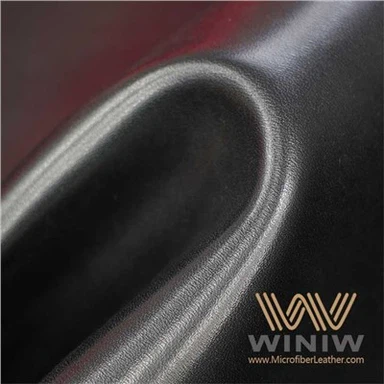
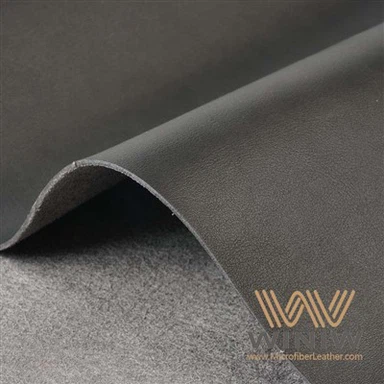
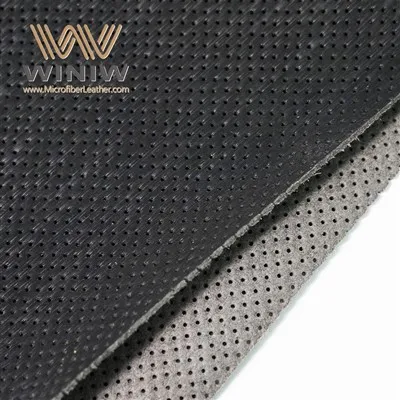
Microfiber vegan leather stands out as a synthetic alternative that mimics the look and feel of animal leather. Manufacturers design this vegan leather to be lightweight, flexible, and durable. The structure of microfiber leather material consists of a dense network of ultra-fine fibers. These fibers create a strong base that supports a smooth, uniform surface. The surface often receives a polyurethane coating, which adds water resistance and enhances the texture. Many brands choose microfiber leather vegan products because they resist scratches and stains better than traditional animal leather. The breathability of this vegan leather also improves comfort in shoes, bags, and upholstery.
Tip: Microfiber vegan leather offers a consistent appearance, making it ideal for fashion and automotive uses.
Main Materials Used
Microfiber leather material relies on synthetic fibers and coatings. The main ingredients include:
Ultra-fine polyester or nylon fibers, often sourced from recycled plastics.
Polyurethane, which forms the outer layer and provides durability.
Water-based adhesives, used in some eco-friendly vegan leather processes.
Manufacturers sometimes use recycled content to reduce the environmental impact of vegan leather. The combination of these materials creates a product that balances strength and softness. Microfiber leather vegan options often feature recycled polyester, which helps divert plastic waste from landfills. The use of polyurethane in vegan leather ensures a long-lasting finish, but it also raises questions about sustainability.
|
Material |
Source |
Role in Vegan Leather |
|---|---|---|
|
Polyester/Nylon |
Virgin or recycled |
Fiber base |
|
Polyurethane |
Synthetic |
Coating and finish |
|
Water-based glue |
Synthetic |
Bonding agent |
Comparison to Animal Leather
Microfiber vegan leather differs from animal leather in several important ways. Animal leather comes from animal hides, which require tanning and chemical treatments. Microfiber leather material uses synthetic fibers and coatings, avoiding animal products entirely. This vegan leather does not need the same intensive water and energy resources as animal leather. Microfiber leather vegan products often weigh less and offer greater resistance to mold and mildew.
Animal leather develops a unique patina over time, while vegan leather maintains a consistent look.
Microfiber leather resists cracking and peeling, which can affect animal leather after years of use.
Vegan leather does not involve animal cruelty, making it a preferred choice for vegan consumers.
Microfiber vegan leather provides a practical and ethical alternative for those who want style and durability without animal-derived materials. The structure and composition of this vegan leather make it suitable for a wide range of applications, from fashion to furniture.
How Is Microfiber Leather Made?
Raw Materials and Sourcing
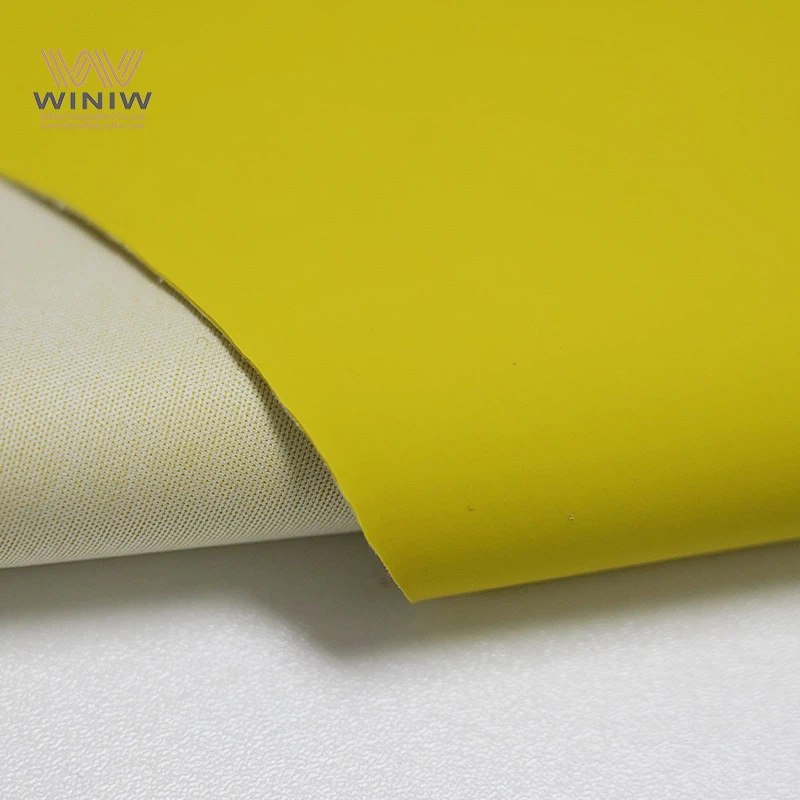
Manufacturers select raw materials based on the desired properties of microfiber vegan leather. They often choose ultra-fine polyester or nylon fibers. Many companies source these fibers from recycled plastics, which helps reduce waste. Polyurethane acts as the main coating material. Some producers use water-based adhesives to bond layers together. The choice of raw materials affects the sustainability of the final product.
The environmental impact of sourcing varies by material type. Plant-based textiles, such as pineapple leaves and apple peels, have a lower environmental impact. Synthetic options, including polyurethane and vinyl, tend to have a higher environmental footprint.
|
Material Type |
Source Examples |
Environmental Impact |
|---|---|---|
|
Plant-based textiles |
Pineapple leaves, apple peels, cork |
Lower environmental impact |
|
Synthetic options |
Polyurethane (PU), vinyl |
Higher environmental impact |
Manufacturing Steps
The process of making microfiber leather involves several key steps. Each step shapes the final product and sets it apart from animal leather and other vegan leathers.
Fiber Creation
Technicians begin by creating ultra-fine fibers. They use spinning machines to draw polyester or nylon into thin strands. These fibers measure less than one denier, making them much finer than human hair. The process often uses recycled plastics, which helps conserve resources. Workers ensure that the fibers remain uniform in size and strength.
Fabric Formation
After fiber creation, workers arrange the fibers into a dense web. They use weaving or non-woven techniques to form a strong fabric base. The process creates a material with high tensile strength and flexibility. This step differs from animal leather production, which relies on tanning animal hides. Microfiber leather does not require harsh chemicals or large amounts of water.
Coating and Finishing
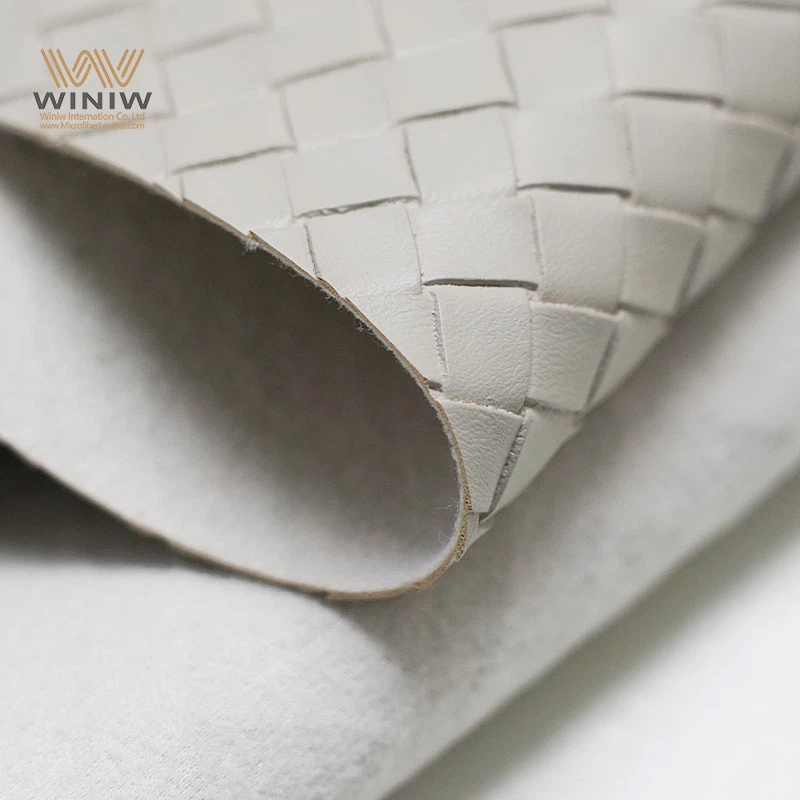
The next step involves applying a polyurethane coating. Technicians spread the coating evenly over the fabric base. This process gives microfiber vegan leather its smooth texture and water resistance. Some manufacturers use water-based adhesives to bond the layers. The finishing process may include embossing patterns or adding color. Workers inspect the final product for consistency and quality.
Note: The coating and finishing process allows for a wide range of colors and textures, making microfiber leather suitable for many applications.
Use of Recycled Materials
Many producers incorporate recycled materials into the process. They use recycled polyester from plastic bottles or industrial waste. This practice reduces the demand for virgin resources and lowers the carbon footprint. The process of using recycled plastics helps divert waste from landfills. Microfiber vegan leather made with recycled content supports sustainability goals.
The use of recycled materials sets microfiber leather apart from other vegan leathers. Some alternatives rely solely on virgin synthetic materials or plant-based sources. Microfiber vegan leather combines durability with environmental benefits when manufacturers prioritize recycled content.
Tip: Consumers can look for products labeled as containing recycled materials to support eco-friendly choices.
Microfiber Vegan Leather vs. Other Vegan Leathers
PU and PVC Leather Comparison
Microfiber vegan leather stands apart from traditional PU and PVC leather. PU leather uses a polyurethane coating over a fabric base, while PVC leather relies on polyvinyl chloride. Both PU and PVC options fall under the vegan category because they do not contain animal products. However, microfiber vegan leather uses ultra-fine fibers, which create a denser and more durable structure. Many consumers find microfiber leather better than leather made from animals due to its consistent texture and resistance to cracking.
Microfiber leather better than PU leather in several ways. It offers improved breathability and flexibility. PU leather can feel stiff and may peel over time. PVC leather often lacks the softness and comfort found in microfiber vegan leather. Manufacturers also note that microfiber vegan leather absorbs less water and resists stains more effectively. These qualities make it a preferred choice for products that require both style and performance.
Plant-Based Alternatives
Plant-based vegan leather options have gained popularity as sustainable choices. These materials use natural sources such as pineapple leaves, apple peels, cork, and mushrooms. Plant-based vegan leather appeals to eco-conscious consumers who want to avoid plastics. Some plant-based alternatives offer a lower environmental impact during production. However, plant-based vegan leather can vary in durability and texture.
Microfiber vegan leather provides a synthetic option that often lasts longer than many plant-based varieties. Plant-based vegan leather sometimes struggles with water resistance and may not hold up as well under heavy use. Manufacturers continue to improve plant-based vegan leather, but microfiber vegan leather remains a strong competitor due to its balance of durability and sustainability. Some brands blend plant-based and synthetic fibers to create hybrid vegan leather materials.
Durability and Applications
Microfiber vegan leather excels in both durability and versatility. Manufacturers design it to withstand daily wear and tear. Many users consider microfiber leather better than leather from animals because it resists scratches, stains, and fading. Microfiber leather better than PU leather in high-traffic applications due to its superior strength and longevity.
Common applications for microfiber vegan leather include:
Handbags, jackets, belts, and shoes in the fashion industry, where designers seek high-fashion looks with sustainable materials.
Seat covers, steering wheel wraps, and door panels in the automotive sector, valued for durability and easy maintenance.
Plant-based vegan leather also finds use in fashion and accessories, but it may not match the lifespan of microfiber vegan leather. Vegan leather products made from microfiber offer a consistent appearance and require less upkeep than animal leather. Many consumers choose vegan leather for its ethical benefits and practical performance.
Tip: When selecting vegan leather, consider the intended use and desired balance between sustainability and durability.
Environmental Impact of Microfiber Vegan Leather

Resource Consumption
Water and Energy Use
Microfiber vegan leather production requires less water than traditional animal leather. Animal leather processing uses large amounts of water for cleaning, tanning, and dyeing. Microfiber vegan leather manufacturers use water mainly during fiber creation and coating steps. The process reduces water waste and lowers the overall environmental impact. Energy use in vegan leather production depends on the machinery and technology. Factories that use recycled plastics often need less energy than those that rely on virgin materials. Efficient manufacturing methods help decrease the impact on the environment.
|
Material Type |
Water Use (per kg) |
Energy Use (per kg) |
|---|---|---|
|
Animal Leather |
High |
High |
|
Microfiber Vegan Leather |
Low |
Moderate |
|
Plant-Based Vegan Leather |
Very Low |
Low |
Note: Choosing vegan leather made with recycled content can further reduce water and energy consumption.
Raw Material Extraction
The extraction of raw materials for microfiber vegan leather affects the environment. Manufacturers often use polyester or nylon fibers, which come from petroleum-based sources. Extracting petroleum creates environmental challenges, including habitat disruption and greenhouse gas emissions. Some companies use recycled plastics, which helps lower the impact of raw material extraction. Polyurethane, used for coating, also relies on chemical processes that can release emissions. Plant-based vegan leather options use renewable resources, which have a smaller environmental footprint.
Microfiber vegan leather offers a more ethical choice than animal leather. The process avoids animal farming, which contributes to deforestation and methane emissions. By using recycled materials, manufacturers support sustainability and reduce the impact on natural resources.
Pollution and Emissions
Microplastic Concerns
Microfiber vegan leather production and use can lead to microplastic pollution. Synthetic fibers shed tiny particles during manufacturing, washing, and daily wear. These microplastics enter water systems and affect aquatic life. Textile factories release air and water pollution when creating synthetic fibers. The environmental impact grows as microplastics accumulate in rivers and oceans.
Production of synthetic fibers contributes to air and water pollution.
Water pollution arises from textile manufacturing processes.
Microfiber shedding occurs throughout the lifecycle of textiles, leading to environmental contamination.
Microfiber vegan leather manufacturers work to reduce pollution by improving filtration systems and using recycled materials. Consumers can help by choosing products with higher recycled content and supporting brands that follow ethical practices.
End-of-Life Issues
The end-of-life stage for microfiber vegan leather presents environmental challenges. Most vegan leather products do not biodegrade. When discarded, they remain in landfills for many years. Incineration releases harmful chemicals into the air. Recycling options for microfiber vegan leather are limited because of the mix of fibers and coatings. Some companies explore take-back programs and closed-loop recycling to address these issues.
Tip: Consumers can extend the life of vegan leather products by repairing and reusing them, which helps reduce environmental impact.
Non-Biodegradability
Microfiber vegan leather does not break down naturally in the environment. The synthetic fibers and polyurethane coating resist decomposition. Non-biodegradability means that discarded vegan leather products contribute to landfill waste. The environmental impact increases when large amounts of vegan leather accumulate. Some plant-based vegan leather options offer better biodegradability, but they may lack the durability of microfiber vegan leather.
Manufacturers continue to research new materials and processes to improve sustainability. Ethical brands focus on reducing waste and promoting recycling. Consumers who value ethical and environmental choices should consider the full lifecycle impact of vegan leather products.
Role of Recycled Content
Recycled content plays a major role in shaping the environmental profile of microfiber vegan leather. Manufacturers often use recycled polyester fibers, which come from post-consumer plastic bottles or industrial waste. This practice helps reduce the demand for new raw materials and lowers the overall environmental footprint of production.
Using recycled materials offers several environmental benefits:
Reduces Plastic Waste: By turning discarded plastics into fibers, companies help keep waste out of landfills and oceans.
Conserves Resources: Recycled fibers require less energy and water to produce compared to virgin materials.
Lowers Greenhouse Gas Emissions: The process of recycling plastics emits fewer greenhouse gases than creating new synthetic fibers from petroleum.
Note: Choosing products made with recycled content supports a circular economy and encourages responsible consumption.
The environmental impact of microfiber vegan leather depends on the percentage of recycled content used. Higher recycled content usually means a smaller environmental footprint. Some brands clearly label their products with the amount of recycled material included. This transparency helps consumers make informed choices.
However, using recycled content also presents challenges. The quality of recycled fibers can vary, which may affect the strength and appearance of the final product. Manufacturers must carefully process and clean recycled plastics to ensure they meet quality standards. Despite these challenges, advances in recycling technology continue to improve the performance of recycled microfiber vegan leather.
A comparison of microfiber vegan leather with and without recycled content highlights the environmental advantages:
|
Feature |
With Recycled Content |
Without Recycled Content |
|---|---|---|
|
Plastic waste reduction |
High |
None |
|
Resource conservation |
Significant |
Low |
|
Greenhouse gas emissions |
Lower |
Higher |
|
Environmental impact |
Reduced |
Greater |
Recycled content does not solve all environmental issues related to microfiber vegan leather. The material still relies on synthetic coatings and remains non-biodegradable. However, recycled fibers help minimize the negative environmental effects and support more sustainable production practices.
Tip: Consumers can look for certifications or product labels that verify the use of recycled materials in vegan leather goods.


Is Microfiber Vegan Leather Eco-Friendly?
Pros and Cons
Microfiber vegan leather offers several eco-friendly advantages compared to animal leather. The manufacturing process uses less water and energy, which reduces the environmental footprint. Producers often use recycled plastics, which helps divert waste from landfills. The material resists water and stains, making it practical for everyday use. Many consumers choose vegan leather because it avoids animal cruelty and supports ethical fashion.
However, microfiber vegan leather also presents some environmental challenges. The production process relies on synthetic fibers and polyurethane, which are not biodegradable. Microplastics can shed during use and disposal, contributing to pollution. Recycling options for vegan leather remain limited due to the combination of fibers and coatings. Despite these drawbacks, microfiber leather eco-friendly products still offer a lower resource intensity than animal leather.
The following table highlights key differences:
|
Aspect |
Microfiber Vegan Leather |
Animal Leather |
|---|---|---|
|
Eco-friendly Manufacturing |
Yes |
No |
|
Water Resistance |
High |
Low |
|
Resource Intensity |
Reduced |
High |
The production process of animal leather is resource-intensive and impacts the environment and animal welfare.
Sustainable Practices
Manufacturers continue to improve the sustainability of vegan leather by adopting innovative practices. Many companies invest in research and development to create eco-friendly materials with high performance. Automation and AI-driven quality control help reduce waste and improve efficiency. Stricter environmental regulations encourage the use of sustainable materials and cleaner production methods.
The table below summarizes some sustainable practices in the industry:
|
Evidence Type |
Description |
|---|---|
|
Technological Innovations |
Automation and AI enhance product quality and efficiency. |
|
Eco-friendly Materials |
R&D leads to high-performance, eco-friendly materials. |
|
Environmental Regulations |
Policies promote sustainable synthetic leathers. |
|
Sustainable Material Solutions |
Some brands, like WINIW, offer plant-based vegan leather with low emissions for car interiors. |
Government support, such as funding programs and tax incentives, also drives the adoption of microfiber leather sustainable solutions. These efforts help make microfiber leather eco-friendly and align with global sustainability goals.
Consumer Considerations
Consumers play a key role in supporting sustainable vegan leather products. They should look for certifications that verify environmental and ethical standards. Common certifications include OEKO-TEX® Standard 100, which ensures materials are free from harmful chemicals, and the Global Recycled Standard (GRS), which confirms recycled content and traceability. The Global Organic Textile Standard (GOTS) and Fair Trade Certification also promote eco-friendly and ethical practices.
|
Certification |
Key Features |
|---|---|
|
OEKO-TEX® Standard 100 |
Free from harmful chemicals, safe for skin, eco-friendly production. |
|
Global Recycled Standard |
At least 20% recycled content, traceable, lower environmental impact. |
|
Global Organic Textile Standard |
Organic materials, eco-friendly dyes, fair labor. |
|
Fair Trade Certification |
Ethical production, fair wages, safe working conditions. |
Tip: Consumers can support sustainability by choosing vegan leather products with clear certification labels and high recycled content.
Microfiber vegan leather continues to evolve as a sustainable alternative. By considering certifications, recycled content, and company practices, consumers can make informed choices that support environmental protection and ethical production.
Choosing Sustainable Alternatives
Factors to Consider
Consumers face many choices when selecting sustainable vegan leather. They should evaluate durability, environmental impact, and ethical sourcing. Brands often highlight the longevity of vegan leather products. A durable material reduces waste and supports long-term use. Shoppers can check for recycled content in vegan leather. Recycled fibers help lower resource consumption and decrease landfill waste.
Certifications provide valuable information. Labels such as OEKO-TEX® or Global Recycled Standard indicate safe and eco-friendly vegan leather. Shoppers should look for transparency in manufacturing. Companies that disclose their supply chain and production methods build trust. Water and energy use also matter. Some vegan leather requires less water than animal leather, which benefits the environment.
Design and application influence the choice. Fashion items, car interiors, and furniture need different types of vegan leather. Some vegan leather suits high-traffic areas, while others work best for accessories. Consumers should match the product to their needs. Repairability and end-of-life options add value. Products that can be repaired or recycled extend their lifespan.
Tip: Consumers can support sustainability by choosing vegan leather with recycled content and clear certifications.
Future Trends in Vegan Leather
Innovations continue to shape the future of vegan leather. Researchers develop new materials from plant byproducts and agricultural waste. Companies experiment with orange peels, mushrooms, and apple skins to create high-performance vegan leather. These advances aim to reduce reliance on petroleum-based sources.
Ohoskin® leads the way in sustainable vegan leather technology. The company uses orange byproducts to produce vegan leather in Italy. Their materials combine performance with eco-friendly design. Ohoskin® FAI AGRUMI transforms orange waste into innovative vegan leather for fashion and interiors. At Heimtextil 2026, Ohoskin® will showcase the intersection of design and technology in vegan leather.
|
Source |
Description |
|---|---|
|
Ohoskin® |
Made in Italy, uses orange byproducts for sustainable vegan leather. |
|
Ohoskin® FAI AGRUMI |
Converts orange waste into innovative vegan leather for design applications. |
|
Ohoskin® at Heimtextil 2026 |
Highlights performance and design in vegan leather technology. |
Plant-based vegan leather continues to gain popularity. Mushroom leather and apple skin leather offer biodegradable options. These materials provide alternatives to traditional synthetic vegan leather. Researchers improve durability and texture to match consumer expectations.
Automation and AI drive effic