


Micro Suede Leather Secrets That Changed Fabric Forever
Jan 22, 2026
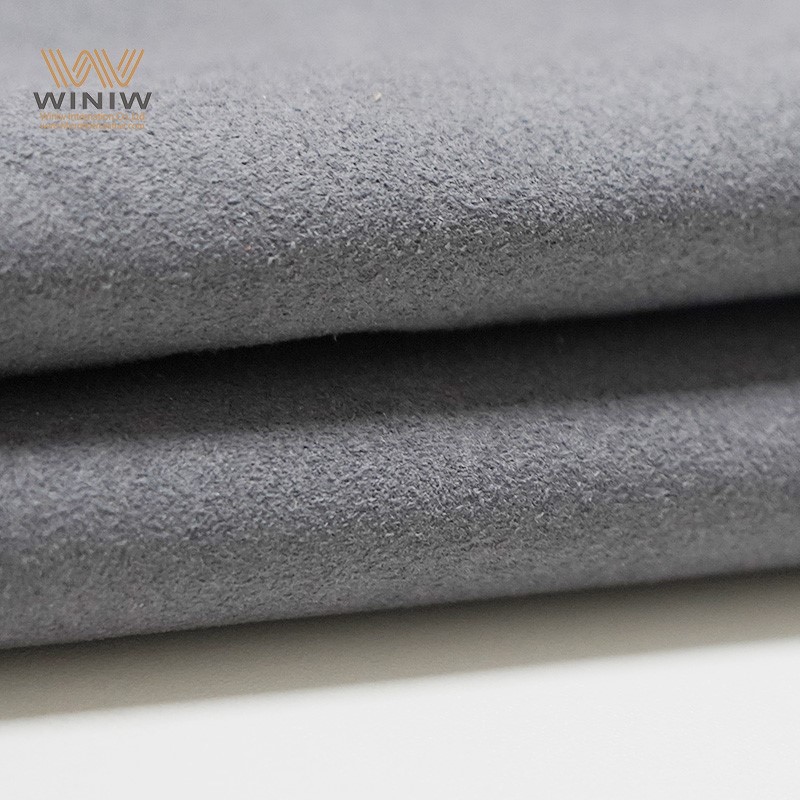
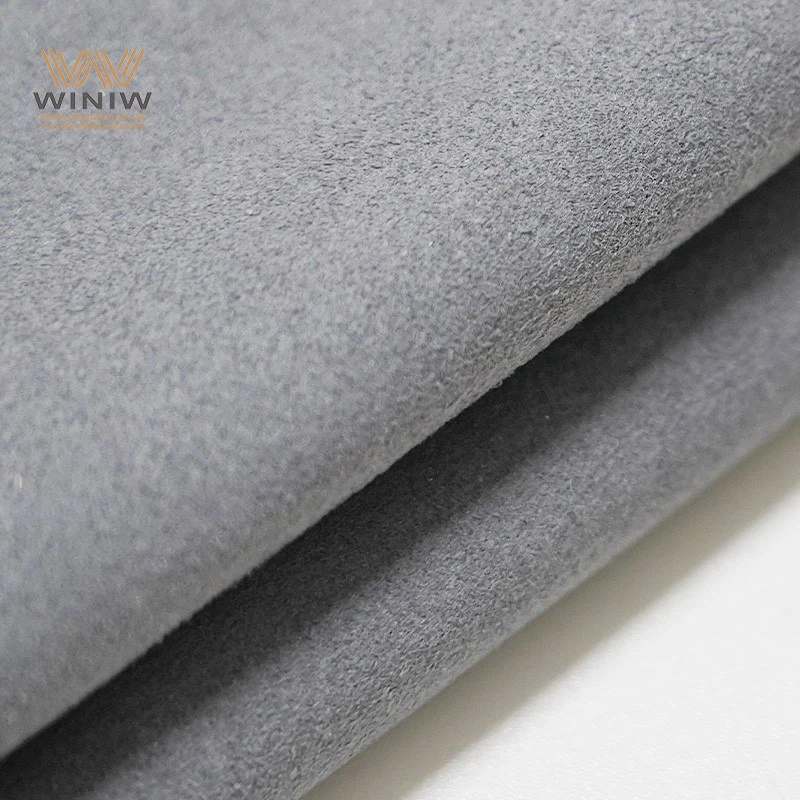
When I first learned about micro suede leather, the science behind it amazed me. Engineers use ultrafine fibers and a specialized mesh structure to create a fabric that feels soft but lasts longer than traditional suede. These advancements increase durability and make the material more breathable. I also noticed that manufacturers now use material science to improve sustainability, reducing waste and environmental impact.
Key Takeaways
Micro suede leather is made from ultrafine nylon or polyester fibers, making it soft, durable, and animal-friendly.
This fabric resists stains and maintains its texture even after repeated cleaning, making it ideal for high-use items.
Micro suede leather uses less water and energy in production compared to traditional leather, supporting sustainability.
Advanced manufacturing techniques, like three-dimensional weaving, enhance the durability and breathability of micro suede.
Micro suede leather is versatile, suitable for fashion, upholstery, and automotive applications, offering a stylish yet practical option.
The market for micro suede leather is rapidly growing due to rising demand for sustainable and ethical materials.
Micro suede leather is easier to maintain than genuine leather, requiring only mild soap and water for cleaning.
Choosing micro suede leather supports eco-friendly practices, as many manufacturers use non-toxic dyes and recycle materials.
Micro Suede Leather Defined
What Is Micro Suede Leather
When I first touched micro suede leather, I noticed how soft and smooth it felt. This material comes from ultrafine fibers, usually nylon or polyester, that measure less than 0.01 millimeters in diameter. Manufacturers weave these fibers into a three-dimensional mesh and then coat the fabric with polyurethane. This process creates a suede fabric that looks and feels like genuine suede but offers better performance. I see micro suede leather as an animal-friendly alternative because it does not use animal hides. The result is a fabric that combines a luxurious appearance with practical benefits.
Micro Suede vs. Traditional Suede
I often compare micro suede leather to traditional suede when choosing materials for projects. Traditional suede comes from the underside of animal hides, which gives it a soft texture but also makes it delicate. It stains easily and can wear out quickly if not handled with care. Micro suede leather, on the other hand, resists stains and stands up to daily use. I find that micro suede fabric keeps its consistent texture even after repeated cleaning. It also weighs less than natural suede, making it easier to handle and sew. When I look at environmental impact, micro suede leather uses fewer resources and produces less waste than animal-based suede. This makes it a better choice for those who want to reduce their carbon footprint.
Key Features
I have worked with many types of suede fabric, but micro suede leather stands out for several reasons:
Made from ultrafine nylon or polyester fibers, each less than 0.01 mm thick
Features a three-dimensional mesh structure coated with polyurethane
Mimics the texture and feel of genuine suede while offering superior breathability
Provides excellent abrasion and tear resistance, making it ideal for high-use items
Used in automotive upholstery, footwear, apparel, and home furnishings because of its durability and stain resistance
Offers a cost-effective option compared to genuine suede, with easier care and maintenance
Tip: I always recommend micro suede leather for projects that need both style and durability. Its easy care routine saves time and effort, especially for busy households.
Micro suede fabric has changed the way I approach design and care. I can create products that look elegant and last longer, all while supporting a more sustainable and animal-friendly industry.
Manufacturing Process


Fiber Selection
Ultrafine Nylon and Polyester
When I first explored how manufacturers create suede, I realized that fiber selection plays a huge role. I always look for ultrafine nylon and polyester fibers because they give suede fabric its signature softness and strength. These fibers measure less than 0.01 millimeters in diameter. I noticed that this fineness allows the suede to mimic the texture of natural suede while improving tanning results. Manufacturers choose nylon and polyester for their ability to hold up under stress. I see that these fibers resist stretching and tearing, which boosts the durability of suede fabric. The tanning process starts with these fibers, setting the stage for a high-quality product.
Material Science Advances
Material science has changed the way I think about suede. I watch engineers use advanced techniques to enhance the tanning process. They blend polymers and adjust fiber chemistry to make suede fabric more consistent. I find that these advances help control the thickness and density of the mesh. This control leads to better tanning and a more uniform suede texture. I appreciate how material science allows for precise adjustments, which means every batch of suede fabric meets strict quality standards. The tanning innovations also reduce waste and improve resource efficiency.
Mesh Structure Creation
Three-Dimensional Weaving
I always pay close attention to the weaving stage. Manufacturers use three-dimensional weaving to build the mesh structure that defines suede. This method interlocks ultrafine fibers in multiple directions. I see that this creates a dense, flexible base for the tanning process. The mesh structure gives suede fabric its unique feel and appearance. I notice that three-dimensional weaving helps the tanning chemicals penetrate evenly, which results in a more consistent suede finish. The weaving process also strengthens the suede, making it less likely to tear or fray.
Texture and Durability Enhancement
Texture and durability matter to me when I select suede for projects. The mesh structure supports both. I watch manufacturers use specialized equipment to adjust the tension and spacing of fibers. This step improves the tanning process and enhances the final texture of suede fabric. I find that a tighter mesh increases durability, while a looser mesh creates a softer feel. The tanning chemicals bond with the fibers, locking in the texture and boosting resistance to wear. I always choose suede fabric with enhanced durability for upholstery and footwear because it stands up to daily use.
Note: I recommend checking the mesh structure before buying suede. A well-made mesh means better tanning and longer-lasting suede fabric.
Chemical Treatments
Dyeing and Resistance
Dyeing is a key part of the tanning process. I see manufacturers use advanced dyes that bond with nylon and polyester fibers. This step gives suede its rich color and helps prevent fading. I notice that chemical treatments also add resistance to stains and water. The tanning chemicals form a protective layer on the suede surface. I find that this makes suede fabric easier to clean and maintain. Dyeing and resistance treatments ensure that suede keeps its vibrant look even after repeated use.
Breathability Improvements
Breathability sets suede apart from other fabrics. I watch manufacturers use special tanning chemicals that open up tiny pores in the mesh. These pores let air pass through the suede fabric, keeping it cool and comfortable. I find that breathability improvements make suede ideal for clothing and upholstery. The tanning process balances breathability with durability, so the suede stays strong without trapping heat. I always choose suede fabric with enhanced breathability for projects that need comfort and style.
|
Manufacturing Step |
Purpose |
Impact on Suede Fabric |
|---|---|---|
|
Fiber Selection |
Choose ultrafine nylon/polyester |
Softness, strength, tanning |
|
Mesh Structure Creation |
Build 3D mesh |
Texture, durability, tanning |
|
Chemical Treatments |
Dyeing, resistance, breathability |
Color, protection, tanning |
Suede manufacturing relies on careful fiber selection, advanced mesh creation, and precise chemical treatments. I see how each step in the tanning process shapes the final suede fabric. These innovations have changed the way I use suede, making it more versatile and reliable.
Finishing Techniques
Brushing and Napping
When I work with suede, I always pay close attention to the final steps. Brushing and napping give suede its signature look and feel. I use special brushes to lift the tiny fibers on the surface of suede fabric. This process creates a soft, velvety texture that feels pleasant to the touch. I notice that brushing also helps remove any loose particles left from earlier stages. Napping takes this a step further. I use machines that gently agitate the surface of suede. This action raises the fibers even more, making the suede fabric appear fuller and richer.
I have learned that the direction and intensity of brushing can change the appearance of suede. Light brushing gives a smooth, even finish. Heavy brushing creates a more textured look. I often choose the brushing style based on the final use of the suede fabric. For example, I use a finer nap for clothing and a thicker nap for upholstery. This flexibility allows me to match the suede to different projects.
Tip: I always test a small area before brushing the entire piece of suede. This helps me avoid damaging the surface and ensures the best results.
Brushing and napping also improve the performance of suede. By raising the fibers, I make the suede more resistant to wear. The process helps hide minor scratches and keeps the suede fabric looking new for longer. I find that well-finished suede stands up better to daily use.
Quality Control
I believe that quality control is the most important part of making suede. After finishing, I inspect every piece of suede fabric for flaws. I look for even color, smooth texture, and consistent nap. If I find any uneven spots or rough patches, I set those pieces aside. Only the best suede passes my inspection.
I use several tests to check the durability of suede. I rub the surface to see if the fibers stay in place. I also check how well the suede fabric resists stains and water. These tests help me make sure that the suede will last in real-world conditions. I know that high-quality suede must meet strict standards before it reaches customers.
Here is a simple checklist I follow during quality control:
Check for even color and texture across the suede fabric
Test the nap by brushing in different directions
Inspect for loose fibers or weak spots
Perform stain and water resistance tests
Confirm that the suede meets all durability requirements
Note: I always keep records of my quality checks. This helps me track improvements and maintain high standards for every batch of suede.
Through careful finishing and strict quality control, I ensure that every piece of suede fabric meets the highest expectations. These steps protect the reputation of suede as a premium material and guarantee satisfaction for anyone who uses it.
Innovations
Microfiber Technology
Fiber Fineness
When I first examined microfiber suede, I noticed the difference in fiber fineness compared to older materials. Manufacturers now produce fibers that are much thinner than a human hair. This fineness creates a surface that feels incredibly soft and smooth. I can see how these ultrafine fibers allow for a more even texture and a luxurious touch. The latest innovations in microfiber technology have improved both the durability and the feel of micro suede leather. I often find that this level of detail meets the demands of designers who want both comfort and style.
Strength and Performance
I always look for strength and performance in any fabric I use. Microfiber suede stands out because the tightly woven fibers create a strong, resilient material. I have tested this fabric in high-use environments, such as car interiors and furniture. It resists tearing and stretching much better than traditional suede. Recent advancements have also made it possible to customize the thickness and density of the fibers. This means I can select a fabric that matches the specific needs of my project, whether I need extra softness or maximum durability. The focus on sustainable production methods also appeals to me, as I want to choose materials that support a healthier planet.
Advanced Machinery
Precision Weaving
I have watched the evolution of weaving machines transform the way micro suede leather is made. Modern equipment can weave fibers with incredible accuracy. This precision ensures that every inch of fabric has a consistent texture and strength. I appreciate how these machines can adjust the weave pattern to create different effects, from a silky finish to a more rugged look. The ability to control the weaving process so closely means I can rely on the quality of each batch.
Automation
Automation has changed the entire production process for microfiber. I see factories using automated systems to handle everything from fiber spinning to final inspection. These systems reduce human error and speed up production. I have noticed that automation also allows for better tracking of quality at every stage. Sensors and cameras check for flaws, ensuring that only the best fabric reaches the market. This level of control helps maintain high standards and reduces waste.
Note: Automation not only improves efficiency but also supports consistent quality, which is essential for demanding applications.
Eco-Friendly Methods
Resource Efficiency
I care deeply about the environmental impact of the materials I use. The latest innovations in micro suede leather focus on resource efficiency. Manufacturers now use less water and energy during production. They recycle leftover fibers and minimize waste. I have seen how these changes lower the overall carbon footprint of the fabric. This approach supports a more sustainable industry and aligns with my values as a designer.
Non-Toxic Chemicals
I always check what chemicals go into the fabrics I choose. Many manufacturers now use eco-friendly dyes and non-toxic chemicals in the production of micro suede leather. These dyes reduce harm to the environment and make the fabric safer for people with sensitive skin. I have found that these methods do not compromise color vibrancy or durability. Instead, they add value by making the fabric both beautiful and responsible.
|
Innovation Area |
Benefit |
Impact on Micro Suede Leather |
|---|---|---|
|
Microfiber Fineness |
Softer, smoother texture |
Enhanced comfort and appearance |
|
Precision Weaving |
Consistent structure |
Reliable quality and performance |
|
Automation |
Efficient, error-free process |
Higher production standards |
|
Eco-Friendly Methods |
Less waste, safer chemicals |
Sustainable, safe fabric |
Tip: When I select micro suede leather, I always ask about the production methods. Choosing fabrics made with eco-friendly dyes and automated quality checks ensures I get the best results for my projects.
Recent advancements in microfiber technology have not only improved the durability and texture of micro suede leather but also made it possible to meet the growing demand for sustainable and customizable options. I believe these innovations will continue to shape the future of fabric design.

Environmental Impact
Sustainability Benefits
Lower Resource Use
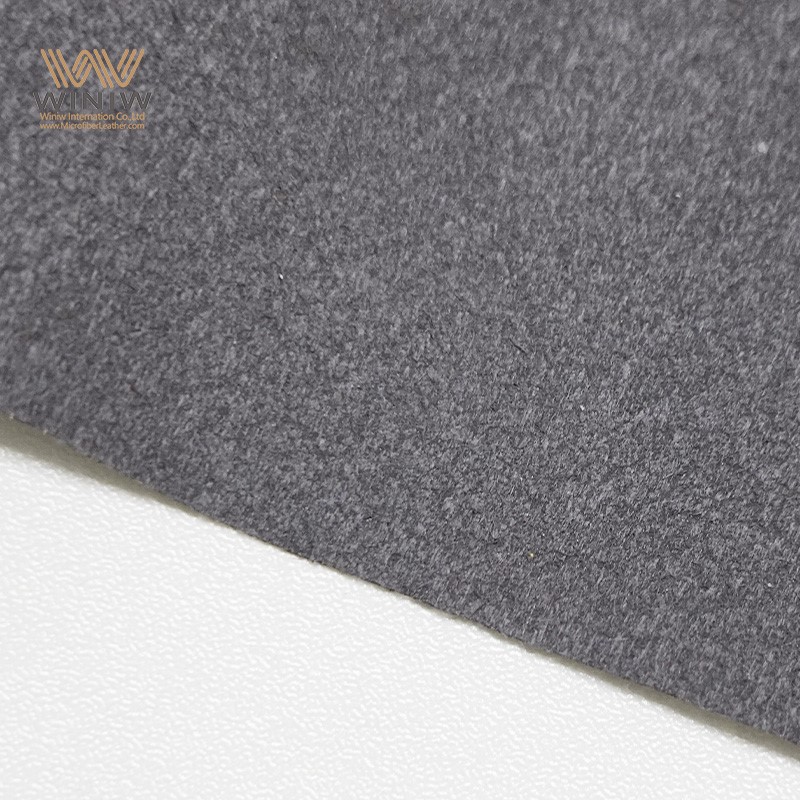
When I started working with micro suede leather, I noticed how much less water and energy the process required compared to traditional leather. Manufacturers use synthetic fibers, so they avoid the resource-heavy steps of raising livestock and tanning animal hides. I see that this shift saves thousands of gallons of water for every yard of fabric produced. Factories also recycle leftover fibers, which means less waste ends up in landfills. I appreciate that these changes support sustainability and help protect natural resources.
Water usage drops by up to 90% compared to animal-based leather.
Energy consumption remains lower because the process skips several intensive steps.
Factories often reuse chemicals and fibers, reducing overall waste.
Note: I always look for brands that highlight their commitment to sustainable practices. This gives me confidence that my choices support a healthier planet.
Reduced Emissions
I have seen how micro suede leather production leads to fewer greenhouse gas emissions. Traditional leather relies on livestock, which produces methane and other pollutants. By using synthetic fibers, manufacturers cut out this major source of emissions. The production process also uses cleaner energy and fewer toxic chemicals. I find that this approach results in cleaner air and less environmental harm.
|
Factor |
Micro Suede Leather |
Traditional Leather |
|---|---|---|
|
Water Use |
Low |
High |
|
Greenhouse Emissions |
Low |
High |
|
Chemical Use |
Non-toxic options |
Often hazardous |
Comparison to Conventional Leather
Rapid Growth
I have watched the demand for micro suede leather grow quickly in recent years. More companies want materials that offer durability and style without the environmental cost. I see designers and manufacturers choosing micro suede leather for furniture, clothing, and car interiors. This rapid growth shows that people value both performance and sustainability. I believe this trend will continue as more consumers learn about the benefits.
Minimal Environmental Footprint
When I compare micro suede leather to conventional leather, I see a clear difference in environmental impact. Micro suede leather avoids the pollution linked to animal farming and harsh tanning chemicals. The production process uses less water, energy, and land. I notice that many manufacturers now follow sustainable practices, such as recycling water and using renewable energy. These steps help keep the environmental footprint as small as possible.
Tip: I always recommend checking for certifications or eco-labels when buying micro suede leather. These labels show that the product meets strict environmental standards.
I feel proud to use micro suede leather in my projects. It lets me create beautiful, long-lasting items while supporting sustainability and responsible manufacturing.
Industry Impact
Durability and Longevity
I have seen micro suede transform the way products last. The tightly woven fibers and advanced mesh structure give suede remarkable strength. I often choose this material for furniture and car interiors because it resists wear and tear. The surface does not easily scratch or fade. I notice that micro suede leather keeps its appearance even after years of use. Cleaning is simple, and stains rarely set in. I trust suede for high-traffic areas because it stands up to daily challenges. The combination of synthetic fibers and modern finishing techniques ensures that the material maintains its shape and softness over time. I value the reliability that comes with this level of durability.
Versatility
Micro suede offers flexibility across many industries. I use suede in fashion, upholstery, and automotive design. The material adapts to different styles and functions. I can select from a wide range of colors and textures. Designers appreciate how suede mimics the look of genuine leather while remaining lightweight. I have made jackets, shoes, and bags using micro suede. The fabric works well for both casual and luxury items. In home décor, I find that suede covers sofas, chairs, and pillows with ease. The easy-care nature of micro suede makes it popular for busy households. I see manufacturers using suede for accessories like wallets and belts. The versatility of micro suede leather allows me to experiment with new ideas and applications.
Tip: I recommend micro suede for projects that require both style and practicality. The material adapts to many uses without sacrificing performance.
Market Growth
I have watched the market for micro suede leather expand rapidly. The faux suede market is projected to grow at a compound annual growth rate of 13.04% from 2026 to 2033, reaching an estimated $25.15 billion by 2033. Several factors drive this growth. Rising environmental awareness and ethical concerns encourage consumers to choose animal-friendly materials. Technological advancements improve the texture, durability, and appearance of suede, making it more attractive to buyers. The cost advantage of synthetic materials over genuine leather appeals to manufacturers and consumers alike.
I see micro suede used widely in fashion, automotive, furniture, and accessories. The material offers lower cost, easier maintenance, and animal-friendly attributes. The shift toward synthetic materials accelerates as more people demand sustainable and ethically produced alternatives. I believe that the growing popularity of micro suede leather reflects a broader change in consumer values. People want products that combine quality, style, and responsibility.
|
Sector |
Common Uses |
Benefits of Micro Suede |
|---|---|---|
|
Fashion |
Jackets, shoes, bags |
Lightweight, stylish, easy care |
|
Automotive |
Seats, interiors |
Durable, stain-resistant |
|
Furniture |
Sofas, chairs, pillows |
Soft, long-lasting, versatile |
|
Accessories |
Wallets, belts |
Animal-friendly, affordable |
I expect the demand for micro suede leather to keep rising. The industry continues to innovate, offering better products and more choices for consumers. I feel confident that micro suede will remain a leader in the market for years to come.


Micro Suede Leather vs. Other Fabrics
Technological Differences
Genuine Leather
When I compare micro suede leather to genuine leather, I see clear differences in technology and production. Genuine leather comes from animal hides. Tanners use chemicals to process and finish the material. This process takes time and uses many resources. I notice that micro suede leather uses synthetic fibers instead. Engineers design these fibers to be ultrafine. Machines weave them into a mesh structure. This method creates a fabric that feels soft and strong. I find that micro suede leather avoids the flaws and inconsistencies that sometimes appear in natural leather. The result is a material with reliable quality and fewer imperfections.
Other Synthetics
I often look at other synthetic fabrics when searching for alternatives to leather. Many of these materials use thicker fibers and simpler weaving methods. They do not match the softness or durability of micro suede leather. Some synthetics feel stiff or look shiny. I prefer micro suede leather because it offers a more natural texture. It also breathes better than most other synthetics. I consider micro suede a great substitute for suede because it combines the best features of both worlds. It gives me the look and feel of suede without the drawbacks of animal-based products.
Benefits and Drawbacks
Cost
Cost matters to me when I choose materials. Genuine leather often costs much more than micro suede leather. The price reflects the labor and resources needed to produce animal hides. Micro suede leather offers a more affordable option. Faux materials like micro suede and other alternatives help keep costs down. I can use these fabrics in large projects without breaking my budget. Faux suede also allows for more color choices and custom finishes.
Maintenance
Maintenance is another area where micro suede leather stands out. I find that genuine leather needs special cleaners and regular conditioning. It can stain easily and may crack over time. Micro suede leather resists stains and cleans up with simple soap and water. I do not need expensive products to keep it looking new. Other synthetics sometimes trap odors or lose their shape. Micro suede holds up well, even with daily use. I recommend it for busy homes and high-traffic areas.
Tip: I always suggest micro suede leather for anyone who wants a low-maintenance, stylish, and durable material. It works well as one of the best alternatives to traditional suede and leather.
|
Material |
Cost |
Maintenance |
Durability |
Appearance |
|---|---|---|---|---|
|
Genuine Leather |
High |
High |
High |
Natural, unique |
|
Micro Suede Leather |
Moderate |
Low |
High |
Soft, uniform |
|
Other Synthetics |
Low |
Low to Moderate |
Moderate |
Varies |
I have tested many fabrics in my work. Micro suede leather continues to impress me as a reliable, affordable, and attractive choice. It stands as one of the top alternatives for those seeking both performance and style.
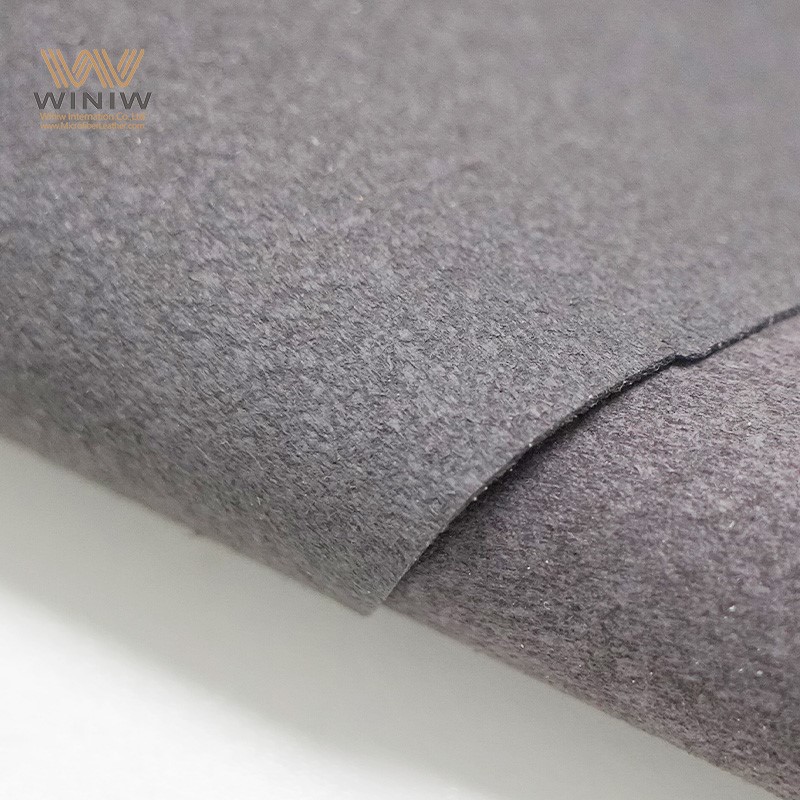
I have seen how ultrafine fibers and a unique mesh structure set micro suede leather apart. These innovations boost durability and make the material more sustainable. I trust the eco-friendly methods to deliver high quality every time. I believe micro suede will lead the way as textile technology continues to evolve. I look forward to seeing what comes next in this exciting field.

FAQ
What is the main difference between micro suede leather and real suede?
I see the main difference in the source. Micro suede leather uses synthetic fibers, while real suede comes from animal hides. Micro suede feels soft and lasts longer. It also resists stains better.
Can I clean micro suede leather at home?
I clean micro suede leather with mild soap and water. I use a soft cloth and gently blot stains. I avoid harsh chemicals. Most spills wipe away easily.
Is micro suede leather safe for people with allergies?
I find micro suede leather safe for most people. It does not trap dust or pet hair like some fabrics. I recommend it for allergy-friendly homes.
Does micro suede leather fade in sunlight?
I notice that micro suede leather holds color well. Direct sunlight can cause fading over time. I keep items out of strong sunlight to protect the color.
How does micro suede leather handle pet claws?
I use micro suede leather in homes with pets. The tight weave resists scratches better than real suede. I still trim my pet's nails to prevent damage.
Can I use micro suede leather for outdoor furniture?
I do not recommend micro suede leather for outdoor use. Moisture and UV rays can damage the fabric. I use it indoors for best results.
What are the main uses for micro suede leather?
I use micro suede leather for sofas, chairs, car seats, shoes, and bags. It works well in fashion and home décor. The fabric adapts to many styles.
Is micro suede leather environmentally friendly?
I choose micro suede leather for its lower environmental impact. The production uses less water and energy. Many brands use recycled fibers and non-toxic dyes.
You Might Also Like
-

High Quality Pu Shoe Lining Microfiber Leather
-

Sofa Microfiber Upholstery Fabric Vinyl Leather
-
Micro Fiber Synthetic Leather For Electronic Devices Straps
-

1.2mm Non Toxic PU Fabric Microfiber Faux Steering Wheel ...
-

Tear Resistant Artificial PU Leather Fabric For Automotiv...
-

Abrasion Resistant Microfiber Leather PU Leatherette For ...