


Microfiber Suede Sofa Safety Steps For Stress-Free Shopping
Dec 25, 2025


When I shop for a used Microfiber Suede Sofa, safety always comes first. I start by researching the item, then I inspect it carefully. I negotiate a fair price, choose a secure payment method, and plan safe transport. Finally, I make sure to clean the sofa before use.
Tip: Taking these steps helps me avoid hidden risks and ensures I make a smart, stress-free purchase.
Key Takeaways
Research the microfiber suede sofa and seller before making a purchase. Knowledge helps you avoid scams.
Inspect the sofa for damage, stains, and odors. A thorough check ensures you know what you're buying.
Ask the seller about the sofa's history, cleaning methods, and reason for sale. Honest answers reveal potential issues.
Negotiate the price based on your inspection findings. Use flaws as leverage to secure a fair deal.
Choose safe payment methods. Cash or trusted digital services protect you from scams.
Plan for safe transport. Use moving help and protective wrapping to avoid damage during the move.
Clean and sanitize the sofa before use. This step ensures a healthy and fresh addition to your home.
Trust your instincts. If a deal feels off or the seller is evasive, it's best to walk away.
Research Before You Buy


Know Microfiber Suede Sofa Basics
What Is Microfiber Suede?
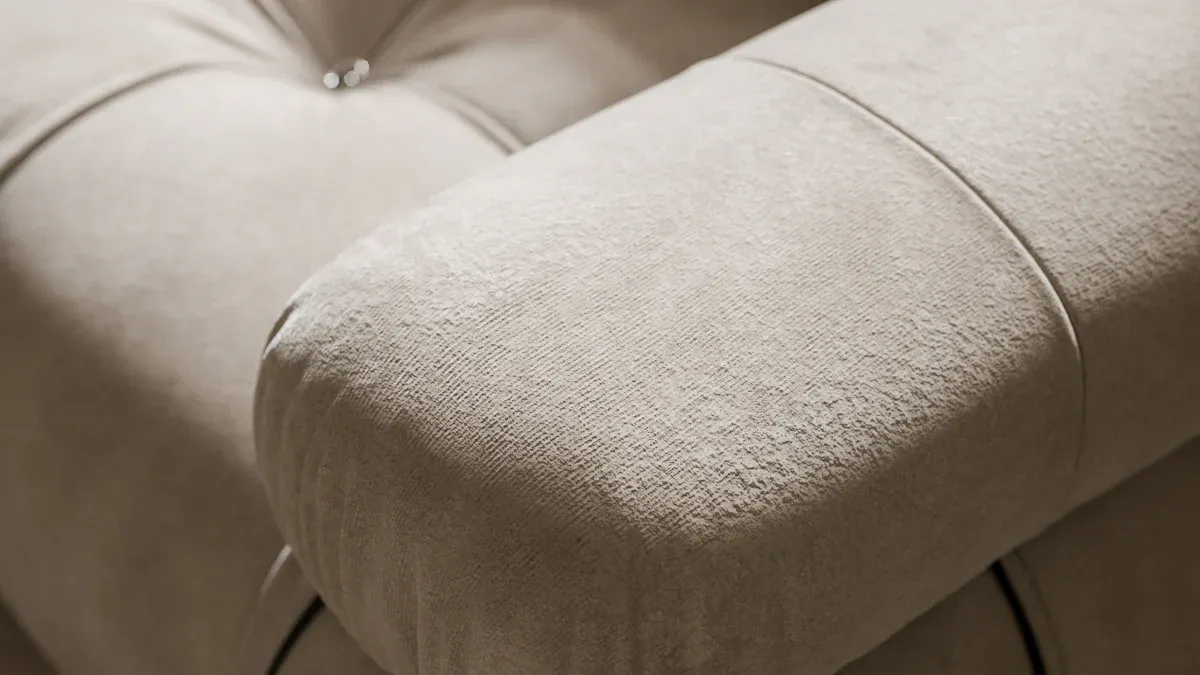
When I started shopping for a Microfiber Suede Sofa, I wanted to understand what made this material unique. Microfiber suede is a synthetic fabric, usually made from polyester or a polyester-polyamide blend. Manufacturers weave these fibers tightly, which makes the fabric strong and resistant to abrasion. I learned that high-quality microfiber sofas often have a high rub count, sometimes exceeding 30,000 double rubs. This means the sofa can handle heavy use in a busy home.
Pros and Cons
I compared microfiber suede to other sofa fabrics to see how it performs. Here's a table that helped me make sense of the differences:
|
Feature |
Microfiber Suede |
Other Types |
|---|---|---|
|
Stain Resistance |
High (spill-resistant) |
Moderate (needs protective finish) |
|
Pet Hair Adhesion |
Low (easy removal) |
High (traps fur) |
|
Cleanability |
Easy (wipes clean, washable) |
Delicate (risk of water rings) |
|
Durability |
Very High (50,000+ double rubs) |
Moderate (pile crushes over time) |
|
Aesthetic Appeal |
Good (modern, versatile) |
High (luxurious, rich colors) |
|
Price Range (3-seater) |
$600–$1,800 |
$800–$2,500+ |
I saw firsthand how practical microfiber can be. The Thompsons reupholstered half their sofa in slate gray microfiber. Juice spills wiped away in seconds. Pet fur disappeared with a quick sweep. After 18 months, the microfiber side looked almost new, while the velvet side faded and flattened.
Set Your Budget
Price Factors
I always set a budget before I shop. Microfiber Suede Sofa prices depend on size, brand, and condition. I found that a three-seater usually costs between $600 and $1,800. Leather sofas cost more, often $1,500 or higher. Microfiber sofas last about 7–12 years with care, while leather can last up to 15 years. Maintenance for microfiber is cheaper because I can use household cleaners.
|
Factor |
Leather Sofa |
Microfiber Sofa |
|---|---|---|
|
Average Initial Cost |
$1,500–$4,000+ |
$600–$1,800 |
|
Lifespan (with care) |
10–15 years |
7–12 years |
|
Maintenance Cost |
High |
Low |
|
Resale Value |
Higher |
Lower |
Budget Tips
I stick to my budget by comparing prices online and in local stores. I look for sofas with minimal wear and ask about cleaning history. I avoid deals that seem too good to be true.
Tip: I always factor in cleaning and transport costs when setting my budget.
Find Trusted Sellers
Online Marketplaces
I search for sellers with clear photos and detailed descriptions. I check reviews and avoid listings with vague cleaning instructions or no sample availability.
Local Stores
I visit local furniture shops and ask about warranties. Stores with a good reputation often offer better quality and support.
Social Groups
I join community groups and ask for recommendations. I trust sellers who have positive feedback and offer sample fabrics.
Fabric quality matters. I look for sofas made with stain and odor-resistant microfiber.
Supplier reputation is important. I check for warranties and brand reliability.
Customer feedback helps me avoid scams and poor-quality sofas.
Note: I never rush my decision. I take time to research, compare, and choose a seller I trust.
Microfiber Suede Sofa Safety Checks
Ask Seller Key Questions
Sofa History
When I shop for a used Microfiber Suede Sofa, I always ask about its history. I want to know how old the sofa is and where it has been used. If the sofa spent years in a busy family room, it might show more wear. I ask if the sofa came from a pet-free or smoke-free home. This helps me avoid hidden problems like odors or allergens.
Cleaning Methods
I ask the seller how they cleaned the sofa. Some people use harsh chemicals that can damage microfiber. I prefer sofas cleaned with gentle, fabric-safe products. I also ask if the sofa was ever professionally cleaned. If the seller cannot answer, I get cautious. I want to know if the sofa has been exposed to water damage or mold.
Reason for Sale
I always ask why the seller wants to part with the sofa. Sometimes people upgrade their furniture. Other times, they need to move. If the seller hesitates or gives a vague answer, I pay extra attention. Honest sellers usually share clear reasons.
Tip: I write down the seller's answers. This helps me compare different sofas and spot any red flags.
Request Photos
Multiple Angles
I ask for photos from every angle. I want to see the front, back, sides, and underneath the cushions. Clear photos help me spot stains, tears, or faded spots. I also look for signs of sagging or uneven cushions.
Visible Damage
I request close-up shots of any damage. If the seller mentions a small tear, I want to see it. I check for scratches on the frame or legs. I also look for worn seams or loose threads. Photos help me decide if the damage is minor or a deal-breaker.
|
Photo Checklist |
Why It Matters |
|---|---|
|
Front and back views |
Shows overall condition |
|
Side views |
Reveals wear and tear |
|
Under cushions |
Spots hidden stains |
|
Close-ups of damage |
Assesses repair needs |
Note: I never rely on just one or two photos. More pictures mean fewer surprises.
Check for Damage
Stains and Tears
I look for stains and tears in every photo. I ask the seller if the stains are permanent or if they tried to remove them. Microfiber Suede Sofa fabric resists most spills, but some stains can set in. I check the seams and corners for rips. If I see a tear, I ask how it happened.
Odors
I ask if the sofa has any odors. I want to know if it smells like smoke, pets, or mildew. I ask if the seller used air fresheners to mask smells. If possible, I visit in person and sniff the sofa myself. Odors can be hard to remove, especially from microfiber.
Alert: I avoid sofas with strong or strange smells. Odors often mean deeper problems.
I always take these safety checks seriously. Careful questions and detailed photos help me avoid costly mistakes. When I inspect a Microfiber Suede Sofa, I want to feel confident about its condition before I buy.
Watch for Pests & Allergens
When I shop for a used Microfiber Suede Sofa, I always check for pests and allergens. These hidden issues can turn a great deal into a costly mistake. I learned that pests like bed bugs and allergens from pets or smoke can linger in sofas, even if they look clean.
Bed Bugs
Bed bugs worry me the most. These tiny insects hide in seams, under cushions, and inside the frame. I never assume a sofa is safe just because it looks spotless. I use a flashlight to inspect every corner and crease. I look for small brown spots, shed skins, or live bugs. I also check the underside and behind the legs.
Here is my quick bed bug inspection checklist:
Remove all cushions and inspect seams.
Look for tiny black or brown spots (bed bug droppings).
Check for shed skins or eggs.
Use a flashlight to see inside cracks and joints.
Ask the seller if they ever had a pest problem.
Alert: If I spot any signs of bed bugs, I walk away. Treating an infested sofa costs more than buying a new one.
I also ask the seller direct questions. I want to know if the sofa came from a building with pest issues. Honest sellers share this information. If the seller hesitates or avoids the question, I get suspicious.
Pet or Smoke Exposure
Allergens from pets and smoke can hide deep in microfiber. I ask the seller if pets used the sofa or if anyone smoked nearby. I know that pet dander and smoke particles stick to fabric and cause allergies.
I use my nose to check for odors. I sniff the cushions and seams. I look for fur or stains that suggest pets lived on the sofa. I also ask if the seller cleaned the sofa after pets or smokers used it.
Here is a table that helps me decide if a sofa is safe for my home:
|
Exposure Type |
What I Check |
My Action |
|---|---|---|
|
Pets |
Fur, stains, odors |
Ask about cleaning, sniff cushions |
|
Smoke |
Musty or smoky smell |
Ask about smoking history, sniff fabric |
|
Both |
Visible residue, strong odor |
Avoid if I have allergies |
Tip: I avoid sofas from homes with heavy pet or smoke exposure. Allergens can stay in the fabric for years, even after cleaning.
I always put my health first. I know that a sofa with hidden pests or allergens can cause problems long after I bring it home. Careful inspection and honest questions help me make a safe choice.
In-Person Inspection
When I finally see a sofa in person, I know this is my best chance to spot issues that photos or messages can hide. I always take my time during this step. I want to make sure the Microfiber Suede Sofa meets my comfort and quality standards before I buy.
Test Comfort & Structure
Sit and Lie Down
I always sit on the sofa first. I shift my weight from side to side. I lean back and stretch out my legs. If the sofa is long enough, I lie down for a minute. I want to feel how the cushions support my body. I check if the seat feels even or if I sink into one spot. If I plan to nap or watch movies on this sofa, I make sure it feels right for me.
Tip: I never feel shy about testing the sofa. I remind myself that comfort is just as important as appearance.
Check Firmness
I press down on each cushion with my hands. I check if the cushions bounce back or stay flat. I pay attention to the armrests and backrest. I want them to feel sturdy, not wobbly or loose. I also listen for any creaks or squeaks when I move. These sounds can mean the frame or springs have problems.
|
What I Check |
What It Tells Me |
|---|---|
|
Cushion bounce |
Good support or worn filling |
|
Armrest firmness |
Solid frame or loose joints |
|
Backrest stability |
Strong support or weak spots |
|
Noises when moving |
Healthy frame or hidden damage |
Examine Details
Seams and Cushions
I look closely at all the seams. I run my fingers along the stitching. I check for loose threads, gaps, or fraying. I lift each cushion and inspect the edges. I want to see even, tight seams. I also check if the cushions have kept their shape. If I see lumps or sagging, I know the filling might need replacing.
Frame Condition
I kneel down and look under the sofa. I check the legs and the frame for cracks, chips, or repairs. I gently shake the sofa to see if it feels solid. I press on the corners and sides. If the frame moves or wobbles, I ask the seller about past repairs. A strong frame means the sofa will last longer in my home.
Note: I always bring a small flashlight. It helps me see inside dark corners and under the sofa.
Smell for Odors
Smoke or Pets
I lean in and sniff the cushions, armrests, and back. I check for any smell of smoke or pets. Even if the sofa looks clean, odors can hide in the fabric. I know that smoke and pet smells are hard to remove from microfiber. If I notice a strong scent, I ask the seller about the sofa's history.
Musty or Chemical Smells
I also check for musty or chemical odors. A musty smell can mean mold or mildew. Chemical smells might come from cleaning products or treatments. I avoid sofas with these odors because they can be hard to fix and may affect my health.
Alert: If I smell anything strange, I trust my nose. I would rather walk away than risk bringing unwanted odors into my home.
By following these steps, I make sure I choose a sofa that feels good, looks good, and smells fresh. I know that a careful in-person inspection protects me from surprises after I bring the sofa home.
Spot Hidden Issues
Under Cushions
I always lift every cushion when I inspect a used microfiber suede sofa. I know that sellers often clean visible surfaces, but they may forget the hidden spots. I check under each cushion for stains, crumbs, or signs of pests. Sometimes I find pet hair or food particles that reveal how the sofa was used. I look for discoloration, which can mean spills or moisture. I also run my hand along the seams and corners. I want to feel for rough patches or sticky spots.
Here is my quick checklist for inspecting under cushions:
Remove all cushions and inspect the fabric underneath.
Look for stains, crumbs, or pet hair.
Check for small holes or tears in the lining.
Feel for sticky or rough areas.
Use a flashlight to see into dark corners.
Tip: I always bring a small flashlight. Shadows can hide stains or pest evidence that I might miss in regular light.
Water Damage
Water damage can ruin a sofa, even if the outside looks fine. I know that microfiber suede resists spills, but water can still seep into the frame or padding. I check for water rings, discoloration, or a musty smell. I press on the fabric to see if it feels damp or uneven. I also look for warping or swelling in the frame and legs. If the sofa feels heavier than expected, it might have absorbed water.
I use a table to help me remember what to check for water damage:
|
What I Check |
What It Means |
My Action |
|---|---|---|
|
Water rings |
Past spills or leaks |
Ask about cleaning |
|
Musty smell |
Possible mold or mildew |
Avoid purchase |
|
Warped frame |
Water exposure |
Inspect further |
|
Damp padding |
Recent spill or flood |
Ask seller questions |
If I find any signs of water damage, I ask the seller about the sofa's history. I want to know if it was ever in a flood or near a leaky window. I know that water can cause mold, which is hard to remove and unhealthy. I never ignore musty smells or warped wood.
Alert: I avoid sofas with any sign of water damage. Mold and mildew can spread quickly and affect my health.
I always take my time with these hidden checks. I know that a sofa can look perfect on the outside but hide problems underneath. Careful inspection helps me make a safe and smart choice.


Negotiation & Payment Safety
Negotiate Price
Use Inspection Results
When I negotiate the price of a used microfiber suede sofa, I always use my inspection results as leverage. If I find small stains, minor tears, or worn cushions, I point these out to the seller. I explain how these issues might require extra cleaning or repairs. I stay polite but firm. I never hesitate to ask for a discount if the sofa needs work.
Here is a quick checklist I use during negotiation:
List all flaws I found during inspection.
Estimate the cost of cleaning or repairs.
Mention any missing parts or accessories.
Stay respectful and clear about my offer.
Tip: I always let the seller know I am serious about buying, but only at a fair price that reflects the sofa's true condition.
Compare Listings
I compare the sofa's price to similar listings online and in local stores. I look for sofas with the same brand, size, and age. If I see lower prices for better condition, I mention this to the seller. This helps me back up my offer with real examples.
|
Factor |
My Sofa |
Comparable Listing 1 |
Comparable Listing 2 |
|---|---|---|---|
|
Condition |
Good |
Excellent |
Fair |
|
Price |
$500 |
$450 |
$400 |
|
Age |
4 years |
3 years |
5 years |
Note: I use this table to show the seller why my offer is reasonable.
Safe Payment Methods
Cash or Digital
I choose payment methods that protect both me and the seller. For local deals, I prefer cash because it is simple and immediate. If I use digital payment, I pick trusted services like PayPal, Venmo, or Zelle. I avoid wiring money or using unfamiliar apps.
I count cash in front of the seller.
I confirm the seller's digital payment details before sending money.
I keep proof of payment, such as a screenshot or receipt.
Avoid Scams
I stay alert for scams. I never pay before I see the sofa in person. I avoid sellers who rush me or ask for payment through gift cards or wire transfers. If a deal feels suspicious, I walk away.
Alert: If the seller refuses to meet in a public place or will not provide a receipt, I consider it a red flag.
Get Written Agreement
Receipt Details
I always ask for a written receipt. The receipt should include:
Seller's name and contact information
Date of sale
Description of the sofa (brand, color, size, condition)
Agreed price and payment method
Documentation Importance
A written agreement protects me if problems arise later. It proves I paid for the sofa and outlines what I should expect. I keep a copy for my records.
Tip: I never skip this step, even for small purchases. Documentation gives me peace of mind and helps avoid disputes.
Microfiber Suede Sofa Transport & Cleaning
Arrange Pickup or Delivery
Moving Help
When I buy a used sofa, I always plan how to move it safely. I ask a friend or family member to help me lift and carry the sofa. I know that microfiber suede can tear if I drag it across the floor. I use moving straps or a dolly to make the job easier. If the sofa is heavy or I need to move it up stairs, I consider hiring professional movers. They have the right tools and experience to prevent injuries and damage.
Tip: I measure doorways, hallways, and elevators before moving day. This helps me avoid getting stuck or scratching the sofa.
Protect During Transport
I protect my Microfiber Suede Sofa during transport by wrapping it in moving blankets or thick sheets. I cover all sides, especially the corners and arms. I use stretch wrap or tape to keep the blankets in place, but I never let tape touch the fabric. In my truck or van, I secure the sofa with straps so it does not slide or tip over. I avoid stacking heavy items on top of the sofa.
|
Protection Step |
Why It Matters |
|---|---|
|
Wrap with blankets |
Prevents scratches and tears |
|
Secure with straps |
Stops shifting during transit |
|
Avoid tape on fabric |
Prevents sticky residue |
Clean & Sanitize
Safe Cleaning Products
I choose cleaning products that are safe for microfiber suede. I read the sofa's care tag to see if it needs water-based or solvent-based cleaners. I avoid bleach, ammonia, or harsh chemicals because they can damage the fabric. I prefer gentle cleaners made for upholstery. I also use distilled water to prevent water spots.
Note: I always test any cleaner on a hidden spot before using it on the whole sofa.
DIY Steps
Before I use my new-to-me sofa, I clean and sanitize it carefully. Here are the steps I follow:
I vacuum the entire sofa to remove dirt, crumbs, and pet hair.
I spot test my steam cleaner on a hidden area to check for colorfastness.
I fill the steam cleaner with distilled water and set it to the right steam level.
I clean the sofa in small sections, moving slowly to avoid soaking the fabric.
I wipe away extra moisture with a clean microfiber cloth.
I let the sofa dry completely before I sit on it.
These steps help me remove dust, allergens, and germs. I know that a clean sofa feels and smells better.
Professional Cleaning
If the sofa has tough stains or strong odors, I call a professional upholstery cleaner. Professionals use special tools and products that reach deep into the fabric. They can remove stubborn dirt and sanitize the sofa more thoroughly than I can at home. I ask for a quote before booking the service to make sure it fits my budget.
Alert: I never skip cleaning a used sofa before bringing it into my home. This keeps my space healthy and comfortable.


Final Safety Tips
Avoid Suspicious Deals
Too-Good-To-Be-True Offers
I always remind myself that if a deal looks too good to be true, it probably is. When I see a microfiber suede sofa listed at a price far below market value, I pause and ask questions. I check for missing details in the listing. I look for vague descriptions or blurry photos. Scammers often use these tactics to lure buyers. I trust my instincts and avoid rushing into a purchase.
Alert: I never send money or personal information before I see the sofa in person. If the seller pressures me or offers extra discounts for quick payment, I walk away.
Here is a quick checklist I use to spot suspicious deals:
Price much lower than similar listings
Seller avoids answering questions
Listing lacks clear photos or details
Seller pushes for fast payment
Meet Safely
Safety comes first when I arrange to meet a seller. I choose public places like a busy parking lot or outside a local store. I tell a friend or family member where I am going. Sometimes, I ask someone to come with me. I avoid meeting at night or in isolated areas. I keep my phone charged and ready.
Tip: I always trust my gut. If the meeting location feels unsafe, I reschedule or cancel.
Double-Check Everything
Review All Steps
Before I finalize my purchase, I review every step I took. I check my notes from the seller interview. I look at the photos again. I confirm the sofa's condition matches what I saw online. I make sure I inspected for pests, odors, and hidden damage. I verify that I have a written agreement and proof of payment.
Here is a table that helps me stay organized:
You Might Also Like
-

Synthetic Suede Material For Shoes Lining
-

1.2mm Micro Fiber Leatherette PU Leather For Ice Hockey G...
-

0.5mm Lightweight Making Packaging Material Full Grain Na...
-
1.2mm Nubuck Leather Fabric For Shoe Making
-

1.4mm Breathability Micro Suede Leather Material For Car ...
-

0.8mm Strong Stain Resistance Pu Leather Faux Leather For...