


Microfiber PU Soccer Pros And Cons Explained Simply
Dec 24, 2025
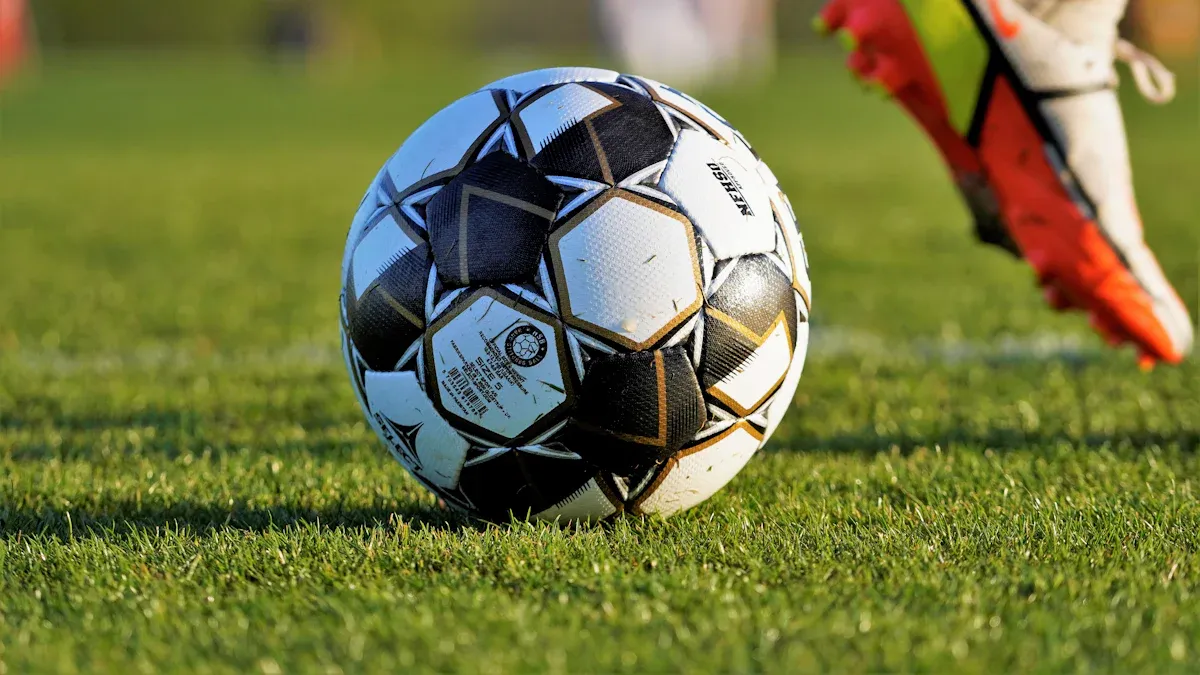
Microfiber pu soccer balls offer impressive durability, water resistance, and a lightweight touch, making them a strong choice for competitive play. Players experience reliable performance and consistent handling with this ball. However, some may notice a firmer feel and a higher price compared to other soccer options. Training athletes and serious players benefit most from this advanced material.
Key Takeaways
Microfiber PU soccer balls are durable and water-resistant, making them ideal for competitive play.
Players enjoy a lightweight feel that enhances quick movements and precise control on the field.
These balls provide superior grip and handling, helping athletes improve their dribbling, passing, and shooting skills.
Hybrid construction ensures the ball maintains its shape and performance over time, even after intense use.
While they offer many benefits, some players may find the firmer feel less comfortable compared to softer options.
Microfiber PU soccer balls typically cost more than traditional PVC or rubber balls, which may be a consideration for teams on a budget.
These balls perform best on grass or turf, and using them on hard surfaces can reduce their lifespan.
Coaches recommend microfiber PU soccer balls for their consistent quality and reliable performance during training and matches.
Microfiber PU Soccer Ball Pros
Superior Touch & Control
Lightweight Feel
Players notice the difference when they use a microfiber pu soccer ball. The lightweight feel allows for quick footwork and precise movements. Hybrid soccer balls made with microfiber materials respond instantly to every touch. This feature supports fast-paced play and helps athletes develop better control. Many coaches recommend hybrid soccer balls for training because the ball moves smoothly across the field. The modern soccer ball design uses advanced materials to reduce unnecessary weight, which leads to enhanced performance during matches.
Enhanced Ball Handling
Hybrid soccer balls offer superior grip and handling. The microfiber surface provides a soft texture that helps players manage the ball with confidence. Quality materials in these balls ensure that dribbling, passing, and shooting feel natural. Hybrid construction also means the ball keeps its shape, even after intense use. Micro-stitched soccer balls, a type of hybrid, combine the best features of machine and hand stitching for unmatched durability and performance. Players at all levels benefit from the consistent quality and reliable performance of these soccer balls.


Durability & Seam Strength
Abrasion Resistance
Hybrid soccer balls stand out for their abrasion resistance. The microfiber pu soccer cover protects the ball from rough surfaces and frequent play. Quality materials prevent scuffs and scratches, keeping the ball looking new longer. Hybrid construction strengthens the seams, making the ball less likely to split or tear. This durability makes hybrid soccer balls a smart investment for teams and clubs that demand long-lasting equipment.
Maintains Shape
A key advantage of hybrid soccer balls is their ability to maintain shape. The combination of microfiber and hybrid stitching ensures the ball stays round, even after many games. Players rely on this consistency for accurate passes and shots. Quality materials inside the ball help it resist deformation, which supports stable performance over time. Hybrid soccer balls deliver the same bounce and feel from the first kick to the last.
Water Resistance
Moisture Wicking
Hybrid soccer balls excel in wet conditions. The microfiber pu soccer surface wicks away moisture, preventing the ball from becoming heavy or slippery. This feature keeps the ball light and easy to control, even during rain. Hybrid materials do not absorb water like traditional leather, so the ball maintains its performance in all weather.
Reliable Grip in Wet Conditions
Players trust hybrid soccer balls for reliable grip, no matter the weather. The microfiber cover provides traction, allowing for accurate passes and shots on wet grass. Quality materials ensure the ball does not slip out of control. Teams that play outdoors in changing conditions appreciate the enhanced performance and durability of hybrid soccer balls.
Tip: Coaches often choose hybrid soccer balls for their teams because of their unmatched durability, consistent quality, and reliable performance in any environment.
Consistent Quality Performance
Hybrid soccer balls made with microfiber PU deliver reliable performance on the field. Players and coaches value this consistency during both practice and competition. The advanced materials and construction methods ensure that each ball reacts the same way, no matter the weather or playing surface.
Predictable Flight
A key advantage of microfiber PU soccer balls lies in their predictable flight path. The smooth, uniform surface reduces air resistance and minimizes unexpected movement. Players can trust the ball to travel where they aim, whether passing, crossing, or shooting. This predictability helps athletes develop accuracy and confidence in their skills.
Coaches often notice fewer mishits and more precise plays during drills.
Goalkeepers can anticipate the ball's trajectory more easily, improving their reaction time.
Note: Consistent flight benefits both beginners and advanced players. It allows everyone to focus on technique rather than adjusting for unpredictable ball movement.
Stable Bounce
Microfiber PU soccer balls maintain a stable and uniform bounce. The high-quality inner bladder and reinforced seams prevent air leaks and deformation. Each bounce feels the same, whether on grass or turf. This stability supports fair play and skill development.
Teams experience fewer interruptions from odd bounces or unexpected ball behavior.
Players can practice dribbling, juggling, and passing with confidence.
A stable bounce also means the ball performs well throughout its lifespan. Clubs and schools appreciate this reliability, as it reduces the need for frequent replacements.
Tip: Consistent bounce and flight make microfiber PU soccer balls a top choice for official matches and serious training sessions.
Microfiber PU Soccer Ball Cons


Firmer Feel & Comfort
Less Soft Than Other Materials
Hybrid soccer balls made with synthetic leather often feel firmer than those crafted from natural or foam-backed materials. Many players notice that the surface of a microfiber pu soccer ball lacks the plush softness found in some traditional options. This firmer touch results from the hybrid construction and the use of advanced synthetic leather. While hybrid soccer balls excel in durability and performance, the less cushioned feel may not appeal to everyone. Some athletes prefer a softer ball for recreational play or skill development. The modern soccer ball design prioritizes durability, which sometimes comes at the expense of comfort.
May Affect Player Comfort
The firmer surface of hybrid soccer balls can impact player comfort during extended sessions. Repeated kicks or headers with a microfiber pu soccer ball may cause discomfort, especially for younger athletes or those new to the sport. Hybrid construction, while excellent for durability, does not always provide the gentle touch that some players seek. Coaches often recommend hybrid soccer balls for their reliability, but they also acknowledge the trade-off in comfort. Players focused on performance needs may accept this compromise, but others might seek out balls with a softer feel for casual games.
Note: Athletes should consider their preferences for comfort versus durability when selecting a soccer ball. Hybrid soccer balls deliver consistent performance but may not suit everyone's comfort level.
Higher Price
More Expensive Than PVC or Rubber
Hybrid soccer balls constructed with synthetic leather and microfiber materials typically cost more than those made from PVC or rubber. The advanced technology and quality materials used in hybrid soccer balls drive up the price. Teams and clubs investing in hybrid soccer balls expect superior durability and performance, but the initial cost can be a barrier for some. Budget-conscious buyers may find traditional PVC or rubber balls more accessible, though these options often lack the same level of quality and durability.
Budget Considerations
The higher price of hybrid soccer balls means that schools, clubs, and families must weigh their options carefully. Investing in a microfiber pu soccer ball offers long-term value due to its durability, but not every organization can justify the upfront expense. Coaches often balance the need for quality with budget constraints, especially when purchasing multiple balls for training. Hybrid soccer balls provide excellent performance and longevity, but the cost may limit their use to official matches or advanced training sessions.
Teams seeking the best durability and performance often choose hybrid soccer balls despite the price.
Recreational players or beginners may opt for less expensive alternatives to meet their needs.
Environmental Impact
Synthetic Material Concerns
Hybrid soccer balls rely heavily on synthetic leather and microfiber materials, which present challenges for sustainability. The production of synthetic leather involves chemicals and processes that can harm the environment. Unlike balls made with eco-friendly materials, hybrid soccer balls do not contribute positively to sustainability efforts. Many manufacturers have started exploring sustainable ball leather solutions, but most hybrid soccer balls still use traditional synthetic components. This reliance on non-renewable resources raises concerns among environmentally conscious players and organizations.
Not Biodegradable
Hybrid soccer balls made with synthetic leather and microfiber do not break down naturally in the environment. These materials persist for many years after disposal, contributing to landfill waste. The lack of eco-friendly or biodegradable options in most hybrid soccer balls makes them less attractive for those prioritizing sustainability. Players and coaches who value eco-friendly materials may seek alternatives that minimize environmental impact. The soccer industry continues to search for ways to improve sustainability, but hybrid soccer balls currently lag behind in this area.
Tip: Teams and clubs interested in sustainability should look for soccer balls made with eco-friendly materials or recycled components. Hybrid soccer balls offer excellent durability and performance, but they do not align with eco-friendly goals.
Hybrid soccer balls provide unmatched quality and durability, but their environmental impact remains a significant drawback.
Choosing a soccer ball involves balancing performance, durability, and sustainability priorities.
Surface Limitations
Best for Grass or Turf
Microfiber PU soccer balls perform best on natural grass or artificial turf. The advanced synthetic cover provides optimal grip and control on these surfaces. Players experience consistent bounce and flight when they use the ball on well-maintained fields. Coaches often select microfiber PU balls for official matches and high-level training because the material interacts well with grass fibers and turf blades.
Teams that play on grass or turf benefit from the ball's durability. The seams and outer layer resist abrasion from these softer surfaces. Clubs that invest in microfiber PU soccer balls expect a longer lifespan when they use the balls in the right environment.
Note: Many professional leagues and tournaments specify grass or turf as the preferred surface for microfiber PU soccer balls. This recommendation ensures the ball maintains its quality and performance.
Wears Faster on Hard Surfaces
Hard surfaces, such as concrete, asphalt, or indoor courts, present challenges for microfiber PU soccer balls. The synthetic cover, while durable, cannot withstand repeated friction from rough or abrasive ground. Players notice scuff marks, scratches, and even seam damage after frequent use on these surfaces.
The ball's lifespan shortens significantly when used outside its intended environment. Teams that practice on playgrounds or streets may need to replace their balls more often. The advanced materials in microfiber PU soccer balls do not provide the same resistance to hard surfaces as rubber or PVC options.
Microfiber PU balls lose their smooth texture quickly on concrete.
The risk of seam splitting increases with every session on rough ground.
Players may experience inconsistent bounce and flight as the ball wears down.
Coaches advise athletes to reserve microfiber PU soccer balls for grass or turf. For street soccer or futsal, they recommend using balls designed specifically for hard surfaces.
Tip: To maximize the value of a microfiber PU soccer ball, teams should match the ball to the playing surface. Proper use extends the ball's life and preserves its performance.


Microfiber PU Soccer Pros vs Cons Table
Selecting the right soccer ball can impact both performance and satisfaction on the field. Coaches, players, and parents often weigh the advantages and disadvantages before making a decision. The table below offers a straightforward comparison of the main pros and cons of microfiber PU soccer balls. This format helps readers quickly identify which features matter most for their needs.
|
Pros |
Cons |
|---|---|
|
Superior touch and control |
Firmer feel than some alternatives |
|
Lightweight feel for fast play |
May reduce comfort for some players |
|
Enhanced ball handling |
Higher price than PVC or rubber |
|
High durability and seam strength |
Not biodegradable |
|
Abrasion resistance for longer life |
Environmental concerns |
|
Maintains shape over time |
Wears faster on hard surfaces |
|
Water resistance and moisture wicking |
Best suited for grass or turf |
|
Reliable grip in wet conditions |
|
|
Consistent quality performance |
|
|
Predictable flight and stable bounce |
Coaches recommend microfiber PU soccer balls for teams that demand consistent quality and reliable performance during matches and training. These balls excel in environments where durability and touch matter most.
A soccer ball made with microfiber PU stands out for its ability to maintain shape and resist abrasion. Players experience a lightweight feel, which supports quick movements and precise control. The water resistance feature ensures the ball performs well in wet conditions, making it a dependable choice for outdoor play. Teams that play on grass or turf benefit from the ball's reliable grip and stable bounce.
However, some drawbacks require consideration. The firmer feel may not suit every player, especially those who prefer a softer touch. The higher price point can challenge teams with limited budgets. Environmental concerns also arise, as the synthetic materials used in these soccer balls are not biodegradable. The ball tends to wear faster on hard surfaces, which reduces its lifespan outside of grass or turf fields.
When evaluating soccer equipment, decision-makers should balance the need for quality and performance with comfort, cost, and sustainability. Microfiber PU soccer balls deliver top-tier quality for competitive play, but they may not fit every situation or budget.
Microfiber PU soccer balls deliver durability, water resistance, and consistent performance.
Some players notice a firmer feel and higher price.
Competitive athletes and teams benefit most from this ball during matches and training.
Players should evaluate comfort, budget, and playing surface before choosing a soccer ball. Selecting the right equipment supports skill development and satisfaction on the field.


FAQ
What makes microfiber PU soccer balls different from PVC balls?
Microfiber PU soccer balls use advanced synthetic leather for better touch, durability, and water resistance. PVC balls feel harder and wear out faster. Coaches prefer microfiber PU for training and matches.
Can players use microfiber PU soccer balls indoors?
Players should avoid using microfiber PU soccer balls on hard indoor surfaces. The material wears quickly on concrete or gym floors. Indoor-specific balls last longer in these environments.
How should teams clean microfiber PU soccer balls?
Teams should wipe the ball with a damp cloth and mild soap. They should avoid soaking the ball or using harsh chemicals. Air drying preserves the material and shape.
Are microfiber PU soccer balls suitable for youth players?
Youth players benefit from the lightweight feel and consistent bounce. Some may find the firmer surface less comfortable. Coaches often recommend these balls for skill development and matches.
How long does a microfiber PU soccer ball last?
A well-maintained microfiber PU soccer ball lasts one to two seasons with regular use on grass or turf. Frequent play on rough surfaces shortens its lifespan.
Do microfiber PU soccer balls require special storage?
Teams should store the ball in a cool, dry place. They should avoid direct sunlight and extreme temperatures. Proper storage prevents material damage and shape loss.
Are microfiber PU soccer balls eco-friendly?
Microfiber PU soccer balls use synthetic materials that are not biodegradable. Most options do not meet eco-friendly standards. Teams seeking sustainable equipment should consider alternatives.
You Might Also Like
-
Stretchable Microfiber Suede Synthetic Leather Packing Ma...
-

Anti Mildew PU Imitation Material Bags Vegan Leather Fabric
-

1.2mm Elegant Microfiber Artificial Fabric Sofa Faux Leather
-

Best Quality Microfiber Synthetic Car Floor Mats Leather ...
-
Colorful Printed PU Artificial Leather
-
Premium Faux Leather PVC Material For Sandals Footwear