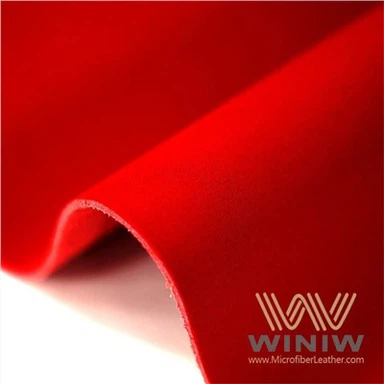


Microfiber Suede Leather Made Easy With These Steps
Oct 31, 2025


When I look for reliable sources of microfiber suede leather, I always start by identifying suppliers with proven track records. I pay close attention to market trends and supplier regions because these factors often reveal the best opportunities. Online resources, such as business directories and industry forums, help me connect with reputable companies. I find that a thoughtful approach saves time and ensures a smooth sourcing experience.
Key Takeaways
Identify your specific needs before contacting suppliers. Clarify product specifications, order quantity, and quality standards.
Research market trends to find reliable suppliers. Focus on sustainability and technological innovations in microfiber suede leather.
Use business directories and online platforms to find reputable suppliers. Cross-reference information to confirm legitimacy.
Request samples from suppliers to evaluate product quality. Inspect samples for color, texture, and performance before placing large orders.
Compare supplier quotes carefully. Look beyond price to include shipping costs, customization fees, and payment terms.
Establish clear communication with suppliers. Use written agreements to outline product specifications, payment terms, and delivery details.
Monitor supplier performance throughout the order process. Conduct quality checks upon delivery to ensure products meet your standards.
Stay alert for red flags during sourcing. Trust your instincts and be cautious of suppliers who provide vague answers or unusually low prices.
Define Your Needs
Before I reach out to any supplier, I always take time to clarify exactly what I need. This step sets the foundation for a successful sourcing process. I focus on three main areas: product specifications, order quantity, and quality standards.
Product Specifications
Material and Texture
I start by identifying the material composition and texture that best suit my project. Microfiber suede leather typically combines polyester and nylon, which gives it impressive durability and strength. The texture should mimic the soft, velvety feel of natural suede. I run my hand over sample swatches to ensure the surface feels premium and smooth. A high-quality product resists scratches and scuffs, maintaining its appearance even after frequent use.
Tip: I always check for easy maintenance. A quick wipe should restore the material's shine, saving time and effort in the long run.
Color and Thickness
Color selection plays a crucial role in matching my design vision. I request color cards or digital samples to compare shades under different lighting. Thickness matters as well. I specify the exact millimeter range I need, since this affects both the feel and performance of the final product.
Here's a table I use to keep track of key factors when defining product specifications:
|
Key Factor |
Description |
|---|---|
|
Material Composition |
Blend of polyester and nylon for strength |
|
Texture |
Soft, velvety, premium feel |
|
Durability |
Resists scratches and everyday wear |
|
Maintenance |
Easy to clean, quick wipe restores shine |
|
Water Resistance |
Polyurethane coating prevents moisture absorption |
|
Stain Resistance |
Non-porous surface allows easy cleanup |
|
Eco-Friendliness |
Vegan, cruelty-free, nontoxic |
|
Environmental Resistance |
Resists mildew, moths, and environmental damage |
Order Quantity
I determine my minimum and maximum order quantities before contacting suppliers. This helps me filter out companies that cannot meet my needs. For small projects, I look for suppliers who accept low minimum order quantities. For larger runs, I confirm that the supplier can handle bulk production without delays.
Quality Standards
Certifications
I always ask for proof of certifications. These might include ISO standards, REACH compliance, or other industry-specific marks. Certifications assure me that the supplier follows recognized quality and safety protocols.
Performance Criteria
I set clear performance criteria based on my end use. For example, I might require resistance to water, stains, or environmental damage. I also check for eco-friendly features, such as vegan or nontoxic materials. By defining these standards early, I avoid misunderstandings and ensure the final product meets my expectations.
Microfiber Suede Leather Supplier Research


Market Trends
I always start my supplier search by studying current market trends. This approach helps me understand what drives demand and which innovations shape the industry. Sustainability has become a major focus. Many consumers now prefer eco-friendly options, so I look for suppliers who offer faux suede leather made from recycled or bio-based polymers. Regulatory compliance also plays a big role. Manufacturers must meet strict standards for VOC emissions, which pushes them to adopt sustainable materials.
Cost-effectiveness influences my sourcing decisions. Faux suede leather provides a stable supply chain and reduces risks compared to animal-based products. Technological advances have improved durability, texture, and stain resistance. These improvements make microfiber suede leather especially attractive for automotive applications. I notice that automakers use this material to highlight their sustainability efforts and build brand loyalty.
Here is a summary of the latest market trends I track:
|
Trend Description |
Details |
|---|---|
|
Sustainability Focus |
Eco-friendly materials, recycled or bio-based polymers |
|
Regulatory Compliance |
Stricter VOC emission standards, sustainable manufacturing |
|
Cost-Effectiveness |
Affordable alternative, stable supply chains, reduced animal-based risks |
|
Technological Innovations |
Improved durability, texture, stain resistance, automotive sector growth |
|
Brand Positioning |
Sustainability messaging, increased brand loyalty among environmentally conscious buyers |
Business Directories
I rely on business directories to identify reputable suppliers. These directories provide verified company profiles, contact details, and product catalogs. I often use platforms like Alibaba, Global Sources, and ThomasNet. These resources allow me to filter suppliers by region, certification, and product type. I check for updated listings and look for companies with positive reviews and a history of reliable service.
Tip: I always cross-reference suppliers from multiple directories to confirm their legitimacy and consistency.
Supplier Regions
Supplier location affects product quality, pricing, and lead times. I focus on regions known for strong manufacturing capabilities.
China and Other Key Markets
China remains the leading producer of microfiber suede leather. I find that Chinese suppliers offer competitive pricing, advanced technology, and large-scale production. Many factories in China specialize in automotive, fashion, and upholstery applications. I also consider suppliers from South Korea, Italy, and Turkey. These regions provide high-quality materials and innovative designs. I compare offerings from each market to find the best fit for my needs.
I always evaluate regional strengths and weaknesses before making a final decision. This strategy helps me balance cost, quality, and delivery reliability.
Online Platforms
I rely on online platforms to streamline my search for reliable suppliers. These platforms offer a wide range of options and allow me to compare suppliers quickly. I often start with well-known B2B marketplaces such as Alibaba, Made-in-China, and Global Sources. These sites provide detailed supplier profiles, product catalogs, and customer reviews. I use the search and filter functions to narrow down suppliers by region, certification, and minimum order quantity.
I always pay close attention to supplier verification badges. Verified suppliers usually have a proven track record and meet certain quality standards. I also check for response rates and transaction histories. High response rates and positive feedback give me confidence in a supplier's reliability.
Here is a quick checklist I use when evaluating suppliers on online platforms:
Review company profile and years in business
Check for verification badges and certifications
Read customer reviews and ratings
Compare product specifications and pricing
Evaluate response time and communication quality
Note: I never rely solely on online ratings. I always reach out directly to suppliers to ask questions and request samples before making any decisions.


Industry Events
I attend industry events to connect with suppliers face-to-face. Trade shows and exhibitions give me the chance to see and touch Microfiber Suede Leather samples in person. I find that these events attract leading manufacturers and innovative startups. I use these opportunities to ask detailed questions about production processes, quality control, and customization options.
Industry events also help me stay updated on the latest trends and technologies. I often collect brochures, business cards, and product samples for future reference. Networking at these events allows me to build relationships with suppliers and gain insights that I cannot find online.
Some popular industry events I consider include:
Intertextile Shanghai Apparel Fabrics
Lineapelle in Italy
APLF Leather in Hong Kong
Online Communities
I participate in online communities to gather supplier recommendations and industry insights. Forums, LinkedIn groups, and specialized Facebook groups connect me with other professionals who share their experiences. I often post questions about supplier reliability, shipping times, and product quality. Community members provide honest feedback and sometimes warn me about potential red flags.
These communities also help me discover new suppliers that may not appear on major platforms. I value the collective knowledge and real-world experiences shared by group members. By staying active in these communities, I keep my sourcing strategies up to date and avoid common pitfalls.


Evaluate Supplier Credentials
Business Licenses
When I evaluate a potential supplier, I always start by checking their business licenses. A valid business license proves that the company operates legally in its country. I ask for a scanned copy or an official registration number. I then verify this information with the relevant government database or business registry. This step helps me avoid scams and ensures that I deal with a legitimate company.
I also look for additional documents, such as import and export licenses. These documents show that the supplier can handle international shipments. If a supplier hesitates to provide these details, I consider it a warning sign. I prefer to work with companies that share their credentials openly and respond quickly to my requests.
Tip: I keep a checklist of required documents for each supplier. This habit saves time and keeps my records organized.
Certifications
Certifications play a key role in my supplier evaluation process. I request copies of all relevant certifications before moving forward. Common certifications include ISO 9001 for quality management and REACH compliance for chemical safety. These certificates show that the supplier meets industry standards and follows best practices.
I also check for product-specific certifications. For example, some suppliers offer eco-friendly options with environmental certifications. I ask for documentation that proves the Microfiber Suede Leather meets my sustainability requirements. I always verify the authenticity of certificates by contacting the issuing organizations or checking their online databases.
Here is a quick list of certifications I often look for:
ISO 9001 (Quality Management)
REACH (Chemical Safety)
OEKO-TEX (Textile Safety)
SGS or Intertek Test Reports
Customer Reviews
Customer reviews give me valuable insights into a supplier's reliability and product quality. I read reviews on business directories, online marketplaces, and industry forums. I pay attention to comments about delivery times, communication, and after-sales support. Positive reviews from repeat customers build my confidence in a supplier.
I also look for patterns in negative feedback. If several buyers mention the same issue, I take it seriously. I sometimes reach out to previous customers for direct feedback. This approach helps me get honest opinions and avoid potential problems.
Note: I never base my decision on a single review. I consider the overall trend and the supplier's response to complaints.
Company Reputation
When I evaluate a microfiber suede leather supplier, I always pay close attention to the company's reputation. A strong reputation signals reliability, consistency, and professionalism. I have learned that a supplier's reputation often predicts the quality of my future business relationship.
I start by researching the supplier's history. I look for information about how long the company has operated in the microfiber suede leather industry. Companies with a long track record usually have more experience and established processes. I check their official website for an "About Us" page, company milestones, and any awards or recognitions. I also search for news articles or press releases that mention the supplier. Positive media coverage adds credibility.
I use several online resources to gather reputation insights:
Industry forums and discussion boards: I read posts from other buyers who share their experiences with specific suppliers. Honest feedback from peers helps me spot both strengths and weaknesses.
Social media platforms: I check LinkedIn, Facebook, and Instagram for company pages. I look at how the supplier interacts with customers and how they handle complaints or questions.
Third-party review sites: I visit platforms like Trustpilot or Glassdoor. Employee reviews can reveal a lot about company culture and management practices.
Tip: I always look for patterns in feedback. One negative review does not worry me, but repeated complaints about late deliveries or poor communication raise red flags.
I also pay attention to the supplier's client list. If a company supplies well-known brands or has long-term partnerships, I see that as a positive sign. I sometimes ask the supplier for references. Speaking directly with their existing clients gives me a clearer picture of what to expect.
Here is a simple checklist I use to assess company reputation:
|
Reputation Factor |
What I Look For |
|---|---|
|
Years in Business |
Established history, industry experience |
|
Online Presence |
Professional website, active social media |
|
Client Portfolio |
Well-known brands, repeat customers |
|
Industry Recognition |
Awards, certifications, positive media coverage |
|
Customer Feedback |
Consistent positive reviews, responsive support |
I never rush this step. Taking time to verify a supplier's reputation helps me avoid costly mistakes. I trust my research and always choose partners who value their reputation as much as I value mine.
Request Samples
Requesting samples always marks a turning point in my sourcing process. I never skip this step because it gives me a real sense of the product's quality before I commit to a large order. I have learned that even the most reputable suppliers can have variations in their batches. By evaluating samples, I avoid costly surprises and ensure the Microfiber Suede Leather meets my standards.
Sample Request Process
I start by contacting the supplier directly and specifying the exact product details I want to test. I include color, thickness, and any special finishes. I always ask for several pieces from different production lots if possible. This approach helps me spot inconsistencies early. I confirm the shipping method and expected delivery time. Some suppliers offer free samples, while others charge a nominal fee or require me to cover shipping costs.
Tip: I keep a record of all sample requests, including dates, tracking numbers, and supplier contacts. This habit helps me stay organized and follow up efficiently.
Quality Check
Once the samples arrive, I set aside time for a thorough inspection. I use a checklist to guide my evaluation and make sure I do not overlook any details.
Visual and Touch Test
I begin with a visual inspection. I look for uniform color, consistent texture, and a flawless surface. I check for defects like uneven dye, marks, or loose fibers. Next, I run my fingers across the material. The surface should feel soft, smooth, and luxurious. I press and bend the sample to see if it recovers its shape and resists creasing.
Here is a simple checklist I use:
|
Test Item |
What I Look For |
|---|---|
|
Color |
Even, matches my requirements |
|
Texture |
Soft, velvety, no rough patches |
|
Surface Quality |
No marks, scratches, or defects |
|
Flexibility |
Recovers shape, no permanent creases |
Performance Testing
I move on to performance tests. I sprinkle a few drops of water to check for resistance. I wipe the surface with a damp cloth to see how easily it cleans. I also test for stain resistance by applying a small amount of coffee or oil and then cleaning it off. For durability, I rub the material with a cloth to simulate wear and observe any changes.
Note: I always compare the results to my original requirements and industry standards.
Compare to Requirements
After testing, I review my notes and compare each sample to my initial specifications. I ask myself if the sample meets my expectations for color, texture, and performance. If a sample falls short, I discuss my concerns with the supplier and request improvements or new samples. I only move forward with suppliers who consistently deliver quality that matches my needs.
By following this process, I make confident decisions and reduce the risk of problems in bulk orders.
Compare Pricing and Terms
Supplier Quotes
When I compare supplier quotes, I always look beyond the initial price. I request detailed quotations from each supplier, making sure they include all costs such as material, labor, packaging, and shipping. I ask for a breakdown of unit prices at different order quantities. This approach helps me identify volume discounts and spot hidden fees. I also check if the quote covers customization, special finishes, or additional services. I find that transparent quotes make it easier to compare suppliers side by side.
I create a simple table to organize the quotes I receive:
|
Supplier Name |
Unit Price |
MOQ |
Shipping Cost |
Customization Fee |
Lead Time |
|---|---|---|---|---|---|
|
Supplier A |
$3.50 |
500 |
$120 |
$50 |
15 days |
|
Supplier B |
$3.30 |
300 |
$100 |
$60 |
18 days |
|
Supplier C |
$3.80 |
200 |
$80 |
$40 |
12 days |
This table helps me visualize the differences and make informed decisions.
Payment Terms
Payment terms can make or break a deal. I always clarify the payment structure before placing an order. Most suppliers offer several options, such as a 30% deposit with the balance due before shipment, or full payment upfront for smaller orders. Some suppliers accept letters of credit or escrow services for added security. I prefer suppliers who provide flexible terms, especially when I build a long-term relationship.
I ask these key questions:
What payment methods do you accept (bank transfer, PayPal, credit card)?
Do you require a deposit? If so, how much?
When is the final payment due?
Are there any discounts for early payment?
Tip: I always get payment terms in writing to avoid misunderstandings later.
Delivery Options
Reliable delivery options are essential for my business. I always review the shipping policies and available methods before finalizing any order. Most suppliers offer several choices to fit different needs:
Flat-rate shipping: I often see a flat-rate shipping fee, such as $8 for all U.S. orders. This makes budgeting easier.
Free shipping: Some suppliers provide free shipping for orders over $150. I take advantage of this when placing larger orders.
Fast processing: I value suppliers who process and ship orders within 24-48 hours. Quick turnaround times help me meet tight deadlines.
Local pickup: For suppliers with a physical location, I sometimes choose free local pickup. For example, I have picked up orders in Ooltewah, Tennessee, which saves on shipping costs.
I always confirm the estimated delivery time and track my shipments closely. Reliable delivery options give me peace of mind and help me plan my projects efficiently.
Minimum Orders
When I source microfiber suede leather, I always pay close attention to minimum order quantities (MOQs). MOQs set the smallest amount a supplier will accept for a single order. I find that understanding MOQs helps me plan my budget and inventory more effectively. Suppliers use MOQs to manage production costs and ensure profitability. I always ask about MOQs early in my discussions to avoid surprises later.
I often see MOQs vary depending on the supplier, product type, and level of customization. For standard colors and thicknesses, some suppliers offer low MOQs, sometimes as little as 50 yards or meters. Custom colors, patterns, or finishes usually require higher MOQs. I have seen suppliers request 300 yards or more for special orders. I always clarify these details before I commit to any agreement.
Here is a table I use to compare MOQs from different suppliers:
|
Supplier Name |
Standard MOQ |
Custom MOQ |
Notes |
|---|---|---|---|
|
Supplier A |
50 yards |
300 yards |
Fast turnaround on standard |
|
Supplier B |
100 yards |
500 yards |
Lower MOQ for repeat buyers |
|
Supplier C |
200 yards |
400 yards |
Flexible with negotiation |
Tip: I always ask if suppliers can lower their MOQ for first-time orders or samples. Many suppliers show flexibility, especially if I explain my long-term plans.
I never assume that the listed MOQ is final. I often negotiate, especially when I want to test a new supplier or product. I explain my business goals and ask if they can accommodate a smaller trial order. Some suppliers agree to lower MOQs for initial orders, hoping to build a long-term relationship. I always get any changes in writing to avoid misunderstandings.
Low MOQs help me reduce risk and manage cash flow. I avoid overstocking and free up resources for other projects. However, I stay cautious if a supplier offers an unusually low MOQ. Sometimes, this signals quality issues or a lack of experience. I always balance my need for flexibility with my standards for quality and reliability.
When I plan my orders, I consider storage space, sales forecasts, and shipping costs. I never order more than I can handle, even if the price per unit drops with higher quantities. I focus on building trust with suppliers who respect my needs and offer reasonable MOQs.
By paying close attention to minimum orders, I keep my sourcing process efficient and cost-effective. I always make sure that my orders match my business goals and capacity.
Communication and Negotiation
Communication Channels
I always choose my communication channels carefully when I start working with a new supplier. Email remains my primary method for formal discussions and record-keeping. I use it to confirm specifications, share documents, and track agreements. For urgent questions or quick clarifications, I often switch to instant messaging apps like WhatsApp or WeChat. These platforms help me get faster responses and build rapport with supplier contacts. Sometimes, I schedule video calls through Zoom or Microsoft Teams. Video meetings allow me to read body language and discuss complex topics in real time. I keep all important conversations documented, even if they start on a chat app.
Tip: I always confirm key points from phone or chat conversations by following up with a summary email. This habit prevents misunderstandings and keeps everyone accountable.
Key Questions
Before I finalize any deal, I ask a set of key questions to avoid surprises. I want to know about production capacity, lead times, and quality control processes. I also ask about customization options and how the supplier handles defects or returns. Here are some questions I always include:
What is your typical lead time for orders of this size?
Can you provide references from other clients?
How do you handle quality inspections and product testing?
What is your process for handling complaints or returns?
Are there any hidden fees or extra charges I should know about?
I find that clear, direct questions help me gauge the supplier's transparency and willingness to cooperate.
Negotiation Tips
Negotiation plays a big role in securing the best terms for my business. I prepare by researching market prices and understanding my own priorities. I approach each negotiation with respect and a willingness to find common ground.
Pricing
I always start by asking for the supplier's best price based on my order quantity. I compare their offer to other quotes I have received. If I see room for improvement, I present my research and ask if they can match or beat a competitor's price. I stay polite but firm. Sometimes, I request additional value, such as free samples or discounted shipping, instead of a lower price.
Payment Flexibility
Payment terms can make a big difference in cash flow. I ask if the supplier offers flexible options, such as partial deposits or extended payment deadlines. I explain my business needs and see if they can accommodate a schedule that works for both sides. If I plan to place repeat orders, I mention this to negotiate better terms. I always get any agreed payment terms in writing before I proceed.
Note: I never accept verbal promises. Written agreements protect both parties and set clear expectations for the Microfiber Suede Leather order.
Written Agreements
I always insist on having a clear written agreement before I finalize any order with a microfiber suede leather supplier. A written contract protects both sides and sets expectations for every detail of the transaction. I have learned that even small misunderstandings can lead to costly mistakes. A well-drafted agreement helps me avoid disputes and ensures that the supplier delivers exactly what I need.
I include the following key elements in every written agreement:
Product Specifications: I list the exact color, thickness, texture, and any special finishes. I attach sample codes or photos when possible.
Order Quantity: I specify the total number of yards or pieces, including any acceptable variance.
Pricing and Payment Terms: I state the agreed unit price, total cost, deposit amount, and payment schedule. I also mention the accepted payment methods.
Delivery Details: I include the shipping method, delivery address, and estimated delivery date. I ask for tracking information once the order ships.
Quality Standards: I reference any certifications, test reports, or performance criteria. I describe the inspection process and what happens if the product fails to meet standards.
Return and Dispute Policies: I outline the steps for handling defects, returns, or order cancellations. I specify who pays for return shipping and how refunds work.
Confidentiality and Intellectual Property: I protect my designs and business information by adding confidentiality clauses when needed.
Tip: I always review the agreement line by line with the supplier. I ask questions about anything that seems unclear. I never sign until both sides agree on every point.
I prefer to use simple, direct language in my contracts. I avoid legal jargon that could confuse either party. If the supplier provides their own contract, I read it carefully and request changes if needed. I keep a signed copy for my records and send one to the supplier.
A written agreement gives me peace of mind. I know that I have a document to refer to if any issues arise. This step shows the supplier that I take my business seriously and expect the same level of professionalism in return.
Finalize and Monitor
Confirm Orders
I always double-check every detail before I confirm an order. I review the product specifications, quantities, and delivery dates. I make sure the supplier understands my requirements. I send a final confirmation email that lists all agreed terms. This step helps me avoid misunderstandings and ensures both sides have a clear record.
Tip: I keep a copy of every confirmation for my records. This habit helps me resolve any disputes quickly.
Contracts
I never skip the contract stage. I read every clause carefully and ask questions about anything that seems unclear. I include all important details, such as payment terms, delivery schedules, and quality standards. I attach sample codes and photos to the contract. I ask the supplier to sign and return the document. I keep a signed copy in my files.
Here is a checklist I use when reviewing contracts:
Product specifications match my requirements
Payment terms are clear and fair
Delivery dates are realistic
Quality standards are defined
Return and dispute policies are included
Both parties have signed
Performance Monitoring
I monitor supplier performance throughout the order process. I track shipments and check delivery times. I inspect the products when they arrive. I compare the actual results to the contract terms.
Quality Control
I set up a simple quality control process. I inspect the Microfiber Suede Leather for color, texture, and durability. I use a checklist to record my findings. I report any issues to the supplier immediately. I request replacements or refunds if the product does not meet my standards.
|
Quality Control Step |
Action Taken |
|---|---|
|
Visual Inspection |
Check color and surface |
|
Touch Test |
Feel for softness and texture |
|
Performance Test |
Test durability and resistance |
|
Documentation |
Record results and feedback |
Ongoing Communication
I maintain regular contact with the supplier. I send updates about my needs and ask for progress reports. I address any problems as soon as they arise. I build trust by sharing feedback and discussing future orders. I find that ongoing communication leads to better results and stronger partnerships.
Note: I always keep records of every conversation. This practice helps me track progress and resolve issues efficiently.

Avoid Sourcing Pitfalls
Red Flags
When I source microfiber suede leather, I always watch for warning signs that could signal trouble. I have learned to trust my instincts and look for these red flags:
Unverifiable Business Information: If a supplier cannot provide a valid business license or registration, I walk away.
Vague or Incomplete Answers: I expect clear responses to my questions. Evasive or inconsistent answers make me cautious.
Unusually Low Prices: Prices that seem too good to be true often mean poor quality or hidden costs.
Pressure for Fast Decisions: Reliable suppliers give me time to review details. High-pressure tactics raise my suspicion.
Lack of References or Reviews: I always ask for client references. If a supplier cannot provide any, I see that as a red flag.
Tip: I always check the supplier's online presence. A professional website and active social media accounts add credibility.
Dispute Handling
Disputes can happen, even with the best planning. I prepare for them by setting clear expectations and keeping detailed records. When a problem arises, I follow a step-by-step approach:
Document Everything: I save all emails, contracts, and photos of the product.
Contact the Supplier Directly: I explain the issue calmly and provide evidence.
Request a Solution: I ask for a replacement, refund, or other fair resolution.
Escalate if Needed: If the supplier does not respond, I use the platform's dispute system or seek help from trade organizations.
Here is a simple table I use to track dispute resolution:
|
Step |
Action Taken |
Outcome |
|---|---|---|
|
Initial Contact |
Emailed supplier |
Awaiting reply |
|
Evidence Provided |
Sent photos, contract |
Supplier agreed |
|
Resolution Offered |
Replacement shipped |
Issue resolved |
Note: I stay professional and polite during disputes. This approach often leads to faster solutions.
Business Protection
I take several steps to protect my business when sourcing microfiber suede leather. I never rely on verbal agreements. Written contracts set clear terms and protect my interests. I use secure payment methods, such as bank transfers or escrow services, to reduce risk.
I also insure large shipments. Insurance covers losses from damage or non-delivery. I keep backup suppliers in mind. If one supplier fails, I can switch quickly and avoid delays.
Here are my top business protection strategies:
Use Written Contracts: I include all details, such as product specs, payment terms, and delivery dates.
Choose Secure Payments: I avoid cash or untraceable methods.
Insure Shipments: I protect my investment against loss.
Maintain Backup Suppliers: I reduce the risk of supply chain disruptions.
Callout: Protecting my business requires vigilance and preparation. I never take shortcuts when it comes to contracts or payments.
By staying alert to red flags, handling disputes professionally, and protecting my business, I ensure a safer and more successful sourcing experience.
I always follow a clear process when sourcing microfiber suede leather suppliers. I define my needs, research the market, evaluate credentials, request samples, compare terms, and communicate effectively. I check quality at every stage. These steps help me avoid mistakes and build strong partnerships.
Careful research leads to better supplier choices.
Clear communication prevents misunderstandings.
Quality checks protect my business.
I encourage you to apply these steps. You will achieve reliable and sustainable sourcing results.


FAQ
What is microfiber suede leather?
I use microfiber suede leather because it mimics natural suede. Manufacturers create it from fine polyester and nylon fibers. The material feels soft, resists stains, and offers durability for many applications.
How do I verify a supplier's credibility?
I always check business licenses, certifications, and customer reviews. I contact references and review their online presence. Reliable suppliers respond quickly and provide clear documentation.
Can I request custom colors or finishes?
I often ask suppliers for custom colors or finishes. Most reputable manufacturers offer customization. I provide Pantone codes or sample swatches to ensure accurate results.
What is the typical minimum order quantity (MOQ)?
I see MOQs vary by supplier and product type. Standard options may start at 50 yards. Custom orders usually require higher MOQs. I always negotiate for flexibility when testing new suppliers.
How do I test microfiber suede leather quality?
I inspect samples visually and by touch. I check for color consistency, softness, and surface defects. I perform water and stain resistance tests. I compare results to my requirements.
What payment methods do suppliers accept?
I usually pay by bank transfer, PayPal, or credit card. Some suppliers accept escrow or letters of credit for larger orders. I confirm payment terms in writing before placing an order.