


Microfiber PU Soccer Tech Makes Play Lighter And Faster
Mar 02, 2026
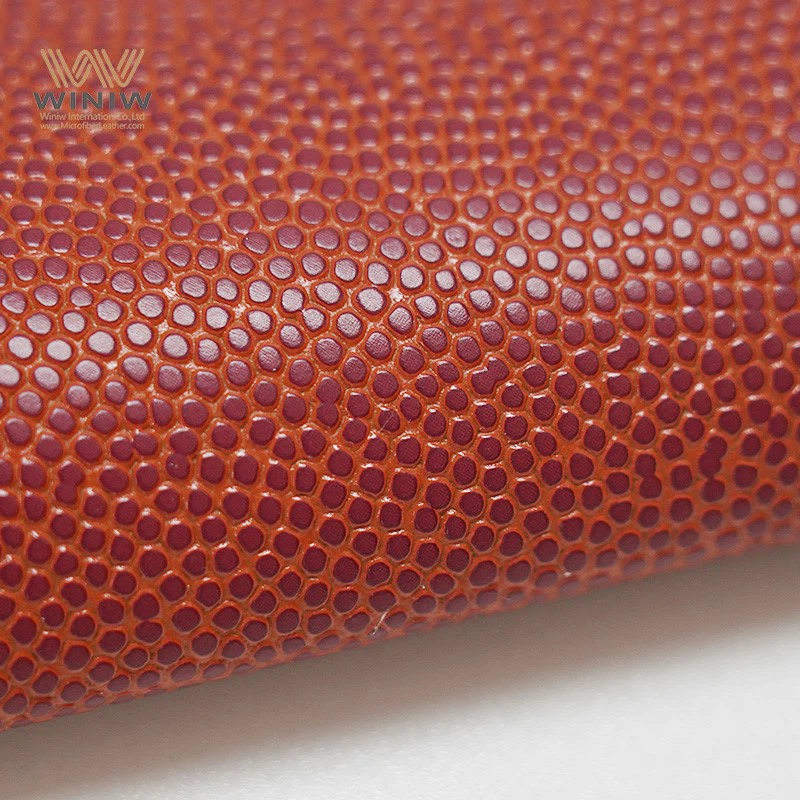
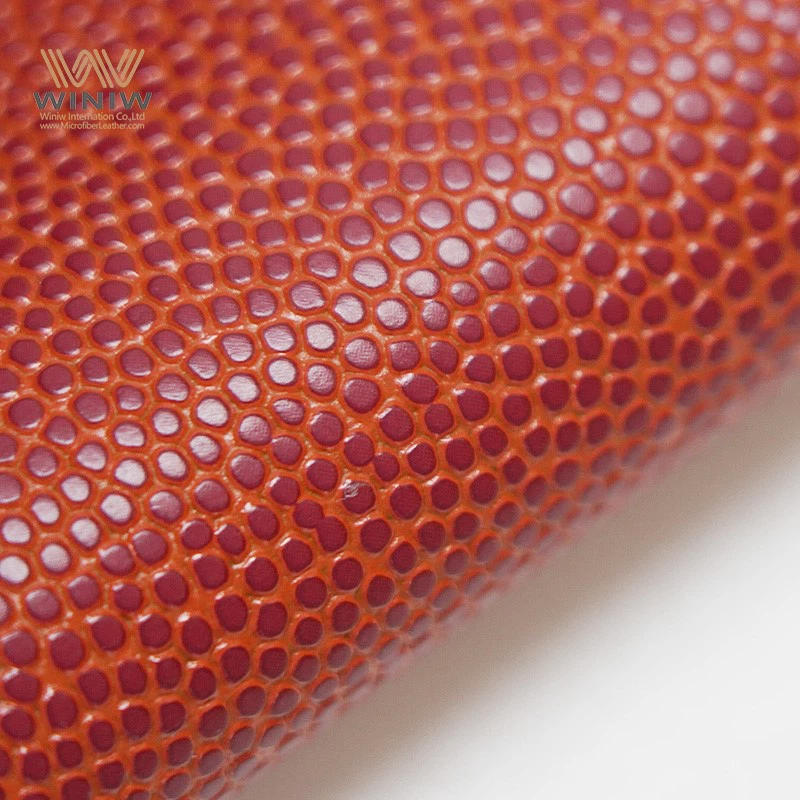
When I first kicked a microfiber pu soccer ball, I noticed how light and quick my movements felt on the field. The advanced structure of this ball wicks away moisture, so my hands stay dry and my grip remains strong. Each touch feels natural and controlled. I see athletes benefit from this premium feel and breathability. This technology gives me more precision and speed in every soccer match.
Key Takeaways
Microfiber PU soccer balls are lightweight, enhancing speed and control on the field.
The advanced material wicks away moisture, keeping your grip strong and hands dry during play.
These balls resist water, UV rays, and harsh weather, ensuring consistent performance in all conditions.
Microfiber PU balls last longer than traditional options, making them a cost-effective choice for players.
The unique surface texture reduces air resistance, allowing for more accurate kicks and passes.
Players report improved control and comfort, helping them develop skills faster.
Microfiber PU soccer balls are eco-friendlier than leather, using less water and energy in production.
Choosing the right soccer ball can significantly impact your game, so look for microfiber PU construction.
Microfiber PU Soccer: Material Basics

What Is Microfiber PU?
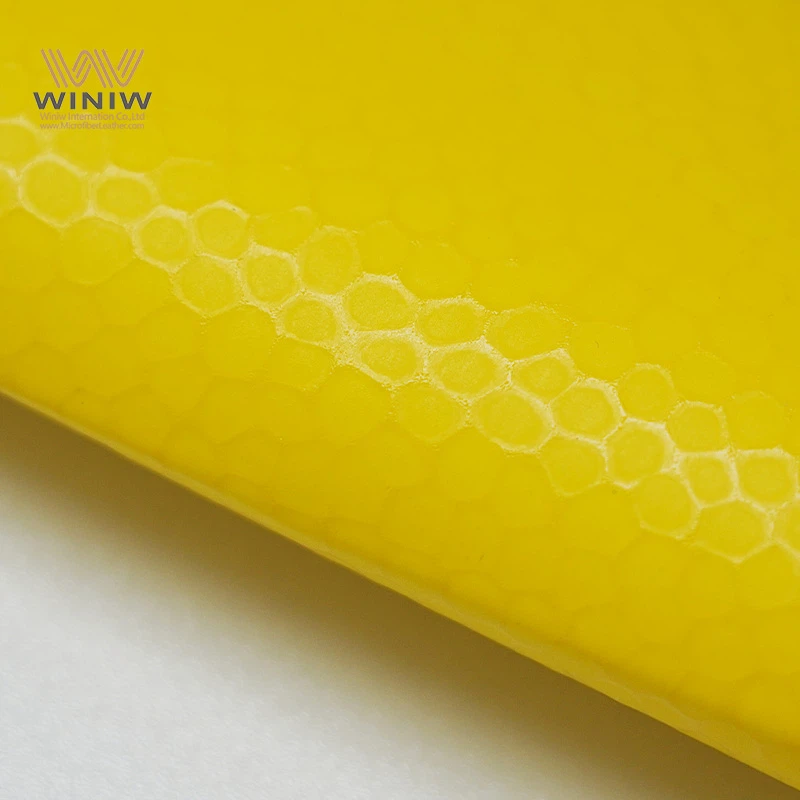
When I first learned about microfiber pu soccer balls, I realized how much the material influences the game. Microfiber PU combines nylon and polyurethane to create a multi-layer structure. This design gives the ball impressive durability and performance. I see that the thickness usually ranges from 1.2mm to 1.4mm, which feels just right in my hands. The ball withstands over 100,000 abrasion cycles and 500,000 bending tests. I notice that it resists bacteria, fungi, moisture, UV rays, and harsh weather. These features make microfiber pu soccer balls reliable for every match.
Material Composition: Nylon and polyurethane
Structure: Multi-layer with PU coating, microfiber non-woven layer, and reinforcing base
Durability: Survives intense abrasion and bending
Resistance: Stands up to bacteria, fungi, moisture, UV rays, and tough weather
Thickness: 1.2mm to 1.4mm
I appreciate how this material sets microfiber pu soccer apart from other types of soccer balls. The quality and structure help me play with confidence, knowing the ball will last through many games.
Microfiber Structure and Softness
I feel the difference when I touch microfiber pu soccer balls. The microfiber structure creates a smooth surface that feels gentle against my skin. This softness reduces irritation and discomfort during play. I can focus on my performance without worrying about rough materials. When I compare different types of soccer balls, I notice that microfiber pu soccer balls offer a firmer touch than natural or foam-backed materials. Some players prefer a softer feel, but I value the control and consistency that microfiber provides.
|
Material Type |
Softness Level |
Player Preference |
|---|---|---|
|
Microfiber PU |
Firmer |
May not appeal to those preferring softer touch |
|
Natural Materials |
Softer |
Preferred for recreational play and skill development |
|
Foam-backed Materials |
Softer |
Favored for comfort and touch |
Microfiber pu soccer balls give me a unique balance of comfort and quality. The softness helps me avoid distractions, and the firmer structure improves my control on the field.
Polyurethane Coating Benefits
The polyurethane coating on microfiber pu soccer balls makes a big difference in quality and performance. I notice that the coating keeps the ball water-resistant, so it maintains its shape and performance even in wet conditions. The durability stands out to me, as these balls last three to five years with regular use. This makes them cost-effective and reliable. The coating also provides a soft, comfortable grip, which enhances my control during play.
|
Benefit |
Description |
|---|---|
|
Water Resistance |
Maintains shape and performance even in wet conditions. |
|
Durability |
Lasts 3 to 5 years with regular use, making it cost-effective. |
|
Softness |
Provides a soft, comfortable grip that enhances control during play. |
I see that the polyurethane layer adds another level of quality to microfiber pu soccer balls. The combination of water resistance, durability, and softness helps me play my best in any weather. I trust these materials to deliver consistent results, whether I am practicing or competing.
Tip: When choosing types of soccer balls, I always check for microfiber pu soccer construction. The advanced structure, quality materials, and polyurethane coating give me confidence that the ball will perform well and last longer.
Soccer Ball Design with Microfiber PU
Surface Texture and Air Resistance
When I examine the soccer ball design made with microfiber, I notice how the surface texture changes the way the ball moves through the air. A smoother surface with fewer seams reduces air resistance. This feature helps the ball fly in a more stable and predictable path. I see that this design gives me better control during fast passes and long shots. The improved aerodynamics make every kick feel more accurate. I trust this soccer ball design to help me perform at my best, especially when the game gets intense.
Moisture Wicking and Water Resistance
I always look for soccer balls that stay light and responsive, even when the field is wet. The soccer ball design with microfiber PU stands out because it uses advanced moisture-wicking technology and strong water resistance. I have played in rainy weather and noticed that these balls do not get heavy or lose their shape. The surface keeps water out, so the ball remains easy to handle.
Some key features I appreciate include:
Polyurethane gives the ball a soft touch and excellent water resistance. It keeps its shape and bounce, even in wet conditions.
High-quality synthetic materials in the soccer ball design offer great touch and water resistance. They protect the ball's structure and performance during bad weather.
I rely on this soccer ball design because it keeps the game fair and fun, no matter the weather. I do not worry about the ball absorbing water or becoming slippery. The water resistance lets me focus on my skills and enjoy every match.
Laboratory tests also show how well these balls perform in wet conditions:
|
Test Type |
Criteria |
|---|---|
|
Water Absorption |
Absorb less than 10% of weight after 200 min |
|
Pressure Retention |
Maintain >90% initial pressure after 72 hours |
These results prove that the soccer ball design with microfiber PU offers reliable water resistance. I trust these numbers because I have seen the difference on the field.
UV-Blocking Technology
I play many soccer games under the sun, so I value a soccer ball design that resists UV damage. The microfiber PU layer includes UV-blocking technology. This feature protects the ball from fading and cracking. I notice that my soccer balls last longer and keep their bright colors, even after many outdoor matches. The design helps the ball stay strong and attractive, which makes every game more enjoyable. I recommend this soccer ball design to anyone who wants a durable and high-performing ball for all weather conditions.
Microfiber PU Soccer Balls: Manufacturing
Automated Extrusion Process
When I visit a soccer ball factory, I see how the automated extrusion process shapes the materials used in production. This method pushes the microfiber and polyurethane layers through precise machines. The process creates even thickness and smooth surfaces. I notice that this step is important for consistent quality. Each layer bonds tightly, which helps the ball construction stay strong during play. I trust this technology because it reduces human error and keeps every ball nearly identical. The automated system also speeds up production, so more players can enjoy high-quality soccer balls.
Thermally Bonded Panels
I always look for soccer balls with thermally bonded panels. This advanced construction method uses heat and pressure to fuse the panels together. I see that this eliminates the weak seams found in traditional stitched balls. The seamless design improves durability and resists wear, abrasion, and environmental stress. I have played with these balls in rain and mud, and they never absorb water. The 100% water-resistant construction keeps the ball light and responsive. Fewer panel edges also mean better aerodynamics. I notice that my shots fly straighter and more predictably. This type of ball construction gives me confidence in every match.
Note: Thermally bonded panels help maintain consistent quality by preventing moisture from entering the ball. This keeps the weight and performance steady, even in tough weather.
Durability and Consistency
Durability matters to me because I want a soccer ball that lasts through many games. Microfiber PU soccer balls stand out for their ability to maintain consistent flight, predictable rebound, and structural integrity in all conditions. I have seen how new synthetic compounds and tighter specifications have changed what durability means in soccer. Real-field experience from over 120 facilities shows that modern durable balls stay responsive and weather-resilient. I always check for certifications to make sure the ball meets official standards.
Here is how different materials compare:
|
Material Type |
Durability |
Touch |
Best Use |
|---|---|---|---|
|
PU |
High |
Soft |
Matches |
|
PVC |
Medium |
Hard |
Rough Surfaces |
|
Hybrid/Eco |
Good |
Soft |
Training/Matches |
I evaluate microfiber PU soccer balls based on material thickness, grip, durability, water resistance, and construction quality. Consistent quality means the ball performs the same way every time I play. I feel the difference in control and touch. Microfiber enhances my game by providing a reliable and comfortable feel. I know that durability and consistent quality are the reasons why I keep choosing these soccer balls for both practice and competition.
PU soccer balls offer softness, durability, and control.
PVC balls are harder and better for rough surfaces.
Hybrid and eco-friendly balls combine durability with a soft touch.
I believe that the right ball construction and materials used in production make all the difference. Consistent quality and durability help me focus on my skills and enjoy the game.
Performance Benefits in Soccer
Lightweight Construction
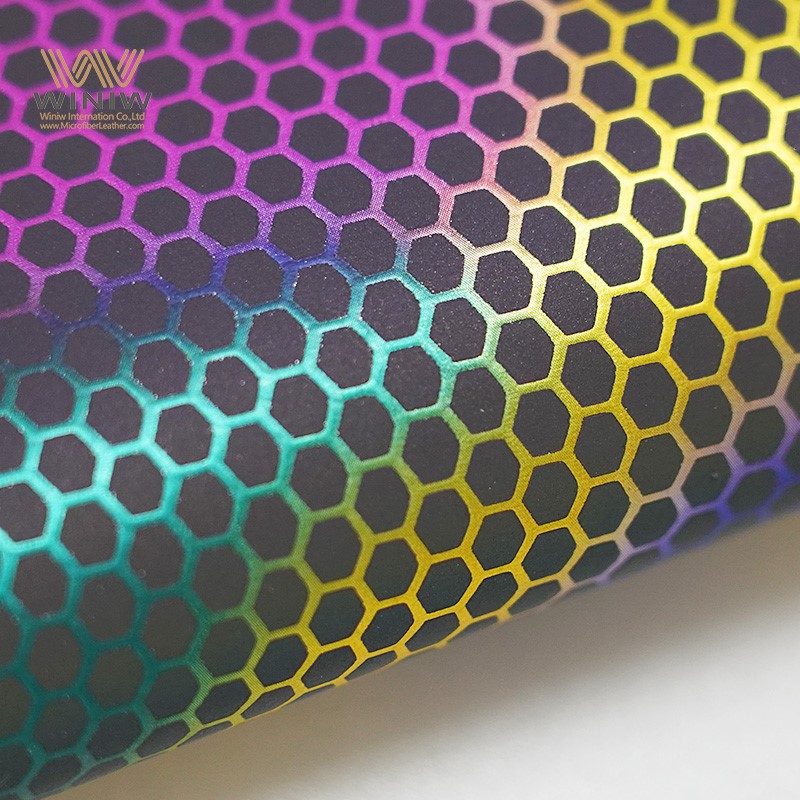
When I pick up microfiber pu soccer balls, I notice how lightweight they feel in my hands. The construction of the ball uses advanced materials that reduce overall weight. I move faster on the field because the ball does not slow me down. The lightweight design helps me kick with less effort and more precision. I see that my passes travel farther and my shots reach the goal quickly. The reduced weight also makes handling easier for younger players and those new to soccer.
Reduced Ball and Gear Weight
I appreciate how microfiber pu soccer balls lighten my gear bag. Carrying several balls for practice feels less tiring. The lightweight nature of these balls means I can train longer without fatigue. I notice that my feet and legs recover faster after games. Coaches tell me that lighter balls help players develop skills more efficiently. I see that hybrid soccer balls with microfiber pu construction offer the best balance between weight and durability. My teammates agree that lighter balls improve our handling and make every session more enjoyable.
Lightweight balls increase speed during play.
Reduced gear weight helps players train longer.
Hybrid soccer balls combine lightness with reliable performance.
Tip: Choosing lightweight microfiber pu soccer balls can boost your speed and handling on the field.
Enhanced Speed and Control
Microfiber pu soccer balls give me superior grip and consistent handling. The surface texture feels soft yet firm, allowing me to control the ball with confidence. I notice that the grip stays strong even in wet conditions. The advanced water dispersion properties of microfiber pu soccer balls keep the texture consistent during rain or humidity. I never worry about losing control when the weather changes. The resilient nature of microfiber lets me dribble and pass with greater speed. My shots feel more accurate because the ball responds quickly to my touch.
Surface Grip and Flexibility
I value the superior grip that microfiber pu soccer balls provide. The flexible surface adapts to my foot, giving me better control during fast movements. I see that the grip improves my handling in both dry and wet conditions. The ball does not slip, so I can focus on my skills. Hybrid soccer balls with microfiber pu layers offer reliable performance for players at every level. I notice that the grip and flexibility help me execute complex moves and quick turns. My coaches recommend these balls for their consistent handling and enhanced control.
|
Feature |
Benefit |
|---|---|
|
Superior grip |
Better handling and control |
|
Flexible surface |
Adapts to foot for quick moves |
|
Consistent texture |
Reliable performance in all weather |
Note: Microfiber pu soccer balls maintain superior grip and flexibility, making them ideal for players who value speed and control.
Durability in All Conditions
Microfiber pu soccer balls stand out for their reliable performance and durability. I have played with these balls in extreme heat, cold, and rain. The construction of the ball resists tearing, scuffing, and deformation. I see that the balls keep their shape and grip no matter the conditions. Hybrid soccer balls with microfiber pu layers last through intense training and competitive matches. I trust these balls to deliver reliable performance every time I step onto the field.
Weather and Wear Resistance
I rely on microfiber pu soccer balls because they perform well in all weather. The UV-stabilized and water-resistant materials protect the ball from sun and rain. I notice that the balls stay firm and responsive in temperatures ranging from -20°C to 60°C. The construction of the ball prevents loss of grip or shape during high-intensity play. My teammates and I use hybrid soccer balls for both indoor and outdoor games. We see that the balls resist wear and maintain reliable performance over time.
|
Feature |
Description |
|---|---|
|
Weather Resistance |
UV-stabilized, water-resistant, temperature-resistant (-20°C to 60°C)-suitable for indoor/outdoor use. |
|
Exceptional Durability |
Resists tearing, scuffing, and deformation-ideal for high-intensity game play, training, and recreational use. |
|
All-Condition Reliability |
Maintains performance in wet, dry, hot, or cold conditions-no loss of grip or shape. |
Callout: Microfiber pu soccer balls deliver reliable performance and durability in every environment. I trust these balls for consistent handling and superior grip, no matter the weather.
Microfiber PU vs. Traditional Soccer Materials
Microfiber PU vs. Leather
When I compare microfiber PU to traditional leather, I see clear differences in how each material affects my soccer experience. I have played with both types of soccer balls. Leather feels classic and natural, but it absorbs water quickly. This makes the ball heavier during wet games. Microfiber PU, on the other hand, keeps its weight steady, even in rain. I notice that the surface of microfiber PU is smooth and resists water. This helps me keep control of the soccer ball, no matter the weather.
Here is a table that shows the main differences I have observed:
|
Feature |
Microfiber PU |
Traditional Leather |
|---|---|---|
|
Material |
Microfiber PU, thermo or ultrasonic bonded panels |
Full-grain leather, stitched panels |
|
Water Absorption |
Minimal water absorption |
Higher water absorption |
|
Weight Retention |
Maintains original weight in wet conditions |
May retain more water |
|
Grip |
Smooth surface with minimized air resistance |
Natural texture improves grip |
I find that microfiber PU soccer balls last longer and need less care. Leather balls require special cleaning and conditioning. They also cost more and are less eco-friendly. Microfiber PU uses less water and energy during production. It does not involve animal products, which matters to me. However, I know that microfiber PU is not biodegradable and can add to plastic waste.
Note: Leather soccer balls feel great for some players, but I prefer microfiber PU for its durability, easy care, and consistent performance in all weather.
Microfiber PU vs. Standard PU
I have also used standard PU soccer balls. They feel light and offer good performance, but I notice that microfiber PU takes things further. Microfiber PU soccer balls have better tear strength and resist bending. They keep their shape and cushion longer, even after many games. Standard PU balls can lose their bounce and shape faster.
Here is a table that compares the two materials:
|
Attribute |
Microfiber PU |
Standard PU |
|---|---|---|
|
Weight |
Lightweight, engineered for a leather-like feel |
Lightweight, but less engineered |
|
Responsiveness |
Better tear strength and bending resistance |
Standard performance |
|
Longevity |
Retains shape and cushioning better |
Can degrade faster under heavy use |
I see that microfiber PU soccer balls cost more than standard PU or PVC balls. The advanced construction and premium feel make them worth the price for serious players. PVC balls are cheaper, but they do not give me the same grip or control. Leather balls are also expensive and need more care.
When I think about the environment, I know that microfiber PU is more eco-friendly than leather. It avoids animal farming and uses less water and energy. Still, it is not biodegradable, so I try to recycle my old soccer balls when possible.
Microfiber PU soccer balls offer top performance and durability.
Leather balls have a classic feel but need more care and cost more.
Standard PU balls are good for practice but may not last as long.
Microfiber PU is more eco-friendly than leather but still adds to plastic pollution.
I choose microfiber PU soccer balls for most of my games. They give me the best mix of performance, durability, and care for the environment.
Real-World Impact in Soccer
Use in Professional Play
I have watched many professional soccer matches and noticed that microfiber PU balls appear more often on the field. Top leagues and international tournaments now choose these balls for their games. I see brands like Adidas and Nike supply microfiber PU soccer balls for events such as the FIFA World Cup and UEFA Champions League. These organizations want the best performance and durability for their players. I believe that the lightweight construction and water resistance help athletes play at their highest level. I have read that referees and coaches trust these balls because they keep their shape and grip in all weather. When I see a fast-paced match, I know that the ball's advanced technology supports the speed and skill on display.
Note: Many professional teams use microfiber PU soccer balls in both training and competition. This shows how much the industry values this technology.
Player Feedback
I have spoken with other soccer players about their experiences with microfiber PU balls. Most tell me that they feel a big difference in control and comfort. One teammate said, "I can dribble faster and shoot more accurately with this ball." Another friend mentioned that the ball stays light, even after playing in the rain. I agree with these opinions. I notice that my passes travel farther and my shots feel more precise. Coaches at my club recommend microfiber PU soccer balls for all skill levels. They say that the consistent touch helps players improve their technique. I have seen younger players gain confidence because the ball is easy to handle and does not get heavy or slippery.
Players report better grip and control.
Coaches see faster skill development.
Teams prefer balls that last longer and perform well in any weather.
Performance Studies
I have read several studies that compare microfiber PU soccer balls to traditional options. One test measured water absorption and found that microfiber PU balls gained less than 10% of their weight after hours in wet conditions. Leather balls absorbed much more water and became heavy. Another study tracked ball speed and accuracy. Players using microfiber PU soccer balls scored higher in both areas. The balls kept their shape and bounce after hundreds of kicks. I trust these results because they match what I see on the field. Researchers also found that microfiber PU balls last longer and need less maintenance. This makes them a smart choice for schools, clubs, and professional teams.
|
Study Focus |
Microfiber PU Result |
Traditional Material Result |
|---|---|---|
|
Water Absorption |
<10% weight gain |
Up to 25% weight gain |
|
Ball Speed |
Higher average speed |
Lower average speed |
|
Durability |
Maintains shape after 500+ kicks |
Loses shape faster |
Callout: I believe that real-world data and player feedback prove the value of microfiber PU soccer balls. These balls help everyone from beginners to professionals play their best.
I have seen how microfiber PU soccer technology changes the game for everyone. The lightweight design helps me move faster and play longer without feeling tired. The soft touch improves my ball control and skill development. I trust these balls because they resist water and last through tough matches.
Microfiber PU gear reduces fatigue and boosts speed.
The durable surface keeps the ball in top shape, rain or shine.
Consistent performance helps me focus on my skills.
I recommend microfiber PU soccer products for players who want reliable, high-quality gear.


FAQ
What makes microfiber PU soccer balls different from regular balls?
I notice that microfiber PU soccer balls feel lighter and more responsive. The advanced material resists water and keeps its shape. I find that these balls last longer and perform better in all weather.
How do I clean a microfiber PU soccer ball?
I use a damp cloth and mild soap to wipe the surface. I avoid harsh chemicals. I let the ball air dry. This keeps the material soft and the colors bright.
Can I use microfiber PU soccer balls on any surface?
I play with these balls on grass, turf, and indoor courts. The durable surface handles most conditions. I avoid rough concrete to prevent scuffs and extend the ball's life.
Are microfiber PU soccer balls good for beginners?
I recommend these balls for all skill levels. The lightweight design helps new players control the ball. Coaches at my club say beginners improve faster with microfiber PU soccer balls.
How long does a microfiber PU soccer ball last?
I see these balls last three to five years with regular use. The strong material resists wear and tear. I always check for official certifications to ensure quality.
Do microfiber PU soccer balls need special storage?
I store my ball in a cool, dry place. I keep it away from direct sunlight and moisture. This helps the ball keep its shape and color.
Are microfiber PU soccer balls eco-friendly?
I know microfiber PU uses less water and energy than leather. It does not use animal products. However, it is not biodegradable. I try to recycle old balls when possible.
Why do professional teams use microfiber PU soccer balls?
I see that professional teams choose these balls for their consistent performance. The lightweight and water-resistant design supports fast, accurate play. Top leagues trust microfiber PU for important matches.
You Might Also Like
-

Elite Microfibre Artificial Two-sided Chamois Cloth For C...
-

Black Microfiebr PU Faux Leather Fabric For Jeans Label
-

Soft Microfiber Ultrasuede Suede Imitation PU Gloves Leather
-

No Peeling Micro Fiber Synthetic Leather PU Sports Shoes ...
-

0.6mm Acid-Anti PU Microfiber Leather For Electronics Cas...
-

Nubuck Leather For Shoes