


Microfiber PU Football Explained in Simple Words
Mar 04, 2026


Microfiber PU Football combines synthetic microfiber and polyurethane to create a modern football. This football feels soft and offers strong durability. Players describe the touch as smooth, almost like a brand-new notebook compared to rough paper.
Microfiber PU Football stands out for its easy grip and reliable performance. Readers can learn about its features and benefits in simple terms.
Key Takeaways
Microfiber PU Football combines soft microfiber and durable polyurethane for a comfortable playing experience.
The ball's soft touch helps players control it better during dribbling and passing, making it ideal for all skill levels.
Water resistance ensures the ball performs well in wet conditions, keeping it light and easy to handle.
A strong grip allows for accurate dribbling, passing, and shooting, reducing mistakes during fast-paced games.
Durability means the ball lasts longer, saving money on replacements for teams and players.
Consistent performance helps players trust their skills, as the ball behaves the same way every time.
Microfiber PU Football is suitable for kids, amateurs, and professionals, supporting skill development at every level.
Proper care and storage extend the ball's lifespan, ensuring reliable performance for many seasons.
What is Microfiber PU Football?
A Microfiber PU Football uses advanced materials to improve the playing experience. This type of football combines microfiber and polyurethane (PU) to create a ball that feels soft, lasts longer, and performs well in different conditions. Many players choose this football for its balance of comfort and durability.
Microfiber Material
Manufacturers use microfiber to make the outer layer of the ball. Microfiber consists of very fine synthetic fibers. These fibers are much thinner than human hair. The small size of the fibers creates a smooth and even surface. This surface helps the ball move predictably on the field. Microfiber also resists wear and tear. Players notice that the ball keeps its shape and texture after many games.
Tip: Microfiber gives the football a soft touch, which helps players control the ball better during dribbling and passing.
PU Explained
PU stands for polyurethane. Polyurethane is a type of plastic that feels flexible and strong. In a Microfiber PU Football, manufacturers use PU to coat the microfiber layer. This coating protects the ball from water and dirt. PU also adds a slight shine and makes the ball easier to clean. Many sports equipment makers prefer PU because it does not crack easily and stays smooth over time.
A simple way to think about PU: It acts like a raincoat for the football. It keeps the inside dry and the outside looking new.
Why Use Microfiber PU?
Manufacturers combine microfiber and PU to get the best qualities from both materials. Microfiber provides a soft, comfortable feel. PU adds protection and durability. Together, they create a football that works well for all skill levels.
Players enjoy a consistent touch and grip.
The ball resists water, so it performs well in wet weather.
The surface stays smooth, which helps with accurate passes and shots.
Microfiber PU Football offers a modern solution for players who want both comfort and long-lasting quality. Coaches and teams often recommend this type of football for training and matches because it meets the needs of different players.


Features of Microfiber PU Football
Durability
Durability stands as one of the main strengths of Microfiber PU Football. Manufacturers design these footballs to withstand frequent use on different surfaces. The microfiber layer resists scratches and scuffs. Polyurethane coating protects the ball from cracking and fading. Players notice that the ball keeps its shape even after many matches. Coaches often select Microfiber PU Football for training because it lasts longer than traditional balls.
Note: A durable football saves money over time. Teams do not need to replace the ball as often.
Soft Touch
Microfiber PU Football offers a soft touch that improves the playing experience. The fine fibers in the microfiber layer create a smooth surface. Players feel comfortable when they kick or pass the ball. The soft touch helps control the ball during dribbling. Beginners and professionals both benefit from this feature. The ball responds well to gentle taps and strong kicks.
Soft touch makes it easier to learn new skills.
Players gain confidence when the ball feels comfortable.
Water Resistance
Water resistance helps Microfiber PU Football perform well in wet conditions. The polyurethane coating acts as a barrier against moisture. Rain or damp grass does not affect the ball's weight or shape. Players can use the ball outdoors without worrying about water damage. The surface stays clean and dry, which improves grip and control.
|
Feature |
Benefit for Players |
|---|---|
|
Water Resistance |
Reliable play in wet weather |
|
Easy Cleaning |
Less dirt sticks to surface |
Tip: Water resistance keeps the football looking new and prevents slippery surfaces during games.
Grip & Control
Grip and control play a big role in football performance. Microfiber PU Footballs offer a surface that helps players handle the ball with confidence. The fine microfiber layer creates a slightly textured feel. This texture gives shoes and gloves a better hold on the ball. Players can dribble, pass, and shoot with more accuracy.
A strong grip means the ball does not slip easily, even in wet or muddy conditions. Coaches notice that young players learn ball control faster with this type of football. The surface helps players practice new skills, such as juggling or quick turns. Goalkeepers also benefit from the improved grip when catching or throwing the ball.
Tip: Good grip reduces mistakes during fast-paced games. Players can focus on their moves instead of worrying about losing control.
Key benefits of grip and control in Microfiber PU Football:
Easier dribbling and passing
More accurate shots on goal
Better handling for goalkeepers
Fewer accidental slips
Consistent Performance
Consistent performance means the football behaves the same way every time. Microfiber PU Footballs deliver reliable results on different surfaces, such as grass, turf, or indoor courts. The combination of microfiber and PU keeps the ball's weight and shape steady. Players notice that the ball bounces and rolls in a predictable way.
A football that performs consistently helps players build trust in their skills. They do not need to adjust their technique for each game. Coaches prefer these footballs for training because they support fair practice sessions. Teams can focus on strategy and teamwork.
|
Feature |
How It Helps Players |
|---|---|
|
Even bounce |
Predictable ball movement |
|
Stable shape |
Accurate passes and shots |
|
Reliable surface feel |
Same touch in every session |
Note: Consistent performance supports skill development. Players can measure their progress and improve faster.
Microfiber PU Footballs stand out because they offer the same quality experience, game after game. This reliability makes them a top choice for schools, clubs, and professional teams.
Player Benefits
For Kids & Beginners
Kids and beginners often need a football that feels comfortable and easy to control. Microfiber PU Football provides a soft touch, which helps young players learn basic skills. The ball does not hurt their feet or hands during practice. The lightweight design allows children to kick and pass with less effort. Many coaches notice that kids gain confidence when they use a ball that responds well to gentle touches.
Tip: A soft and durable football encourages kids to practice more often.
The water-resistant surface keeps the ball clean, even after outdoor play. Parents appreciate that the ball lasts longer and does not require frequent replacements. Kids can use the same ball for both practice and games, which helps them get familiar with its feel.
For Amateurs
Amateur players look for a football that supports skill development and regular play. Microfiber PU Football offers consistent performance on different surfaces. The reliable bounce and stable shape help amateurs improve their passing and shooting accuracy. Players can focus on learning new techniques without worrying about unpredictable ball movement.
A table below shows how key features benefit amateur players:
|
Feature |
Benefit for Amateurs |
|---|---|
|
Consistent bounce |
Better skill improvement |
|
Good grip |
More accurate dribbling |
|
Water resistance |
Usable in all weather |
Amateurs often play in various conditions, such as grass, turf, or indoor courts. The ball's durability means it withstands frequent use. Teams and clubs choose this football for training because it supports fair and effective practice sessions.
For Professionals
Professional players demand high performance from their equipment. Microfiber PU Football meets these expectations with advanced materials and construction. The ball maintains its shape and weight, even during intense matches. Professionals rely on the predictable touch and grip to execute complex moves and strategies.
Note: Consistent quality allows professionals to focus on tactics and teamwork.
The water-resistant coating ensures the ball performs well in rain or mud. Goalkeepers benefit from the enhanced grip, which helps them catch and throw with precision. Many professional teams select this football for both training and competition because it delivers reliable results every time.
Players at all levels experience improved comfort, control, and confidence when they use Microfiber PU Football. The features support growth from beginner to professional, making it a smart choice for anyone who loves the game.
Football Types Compared
Microfiber PU vs. PVC
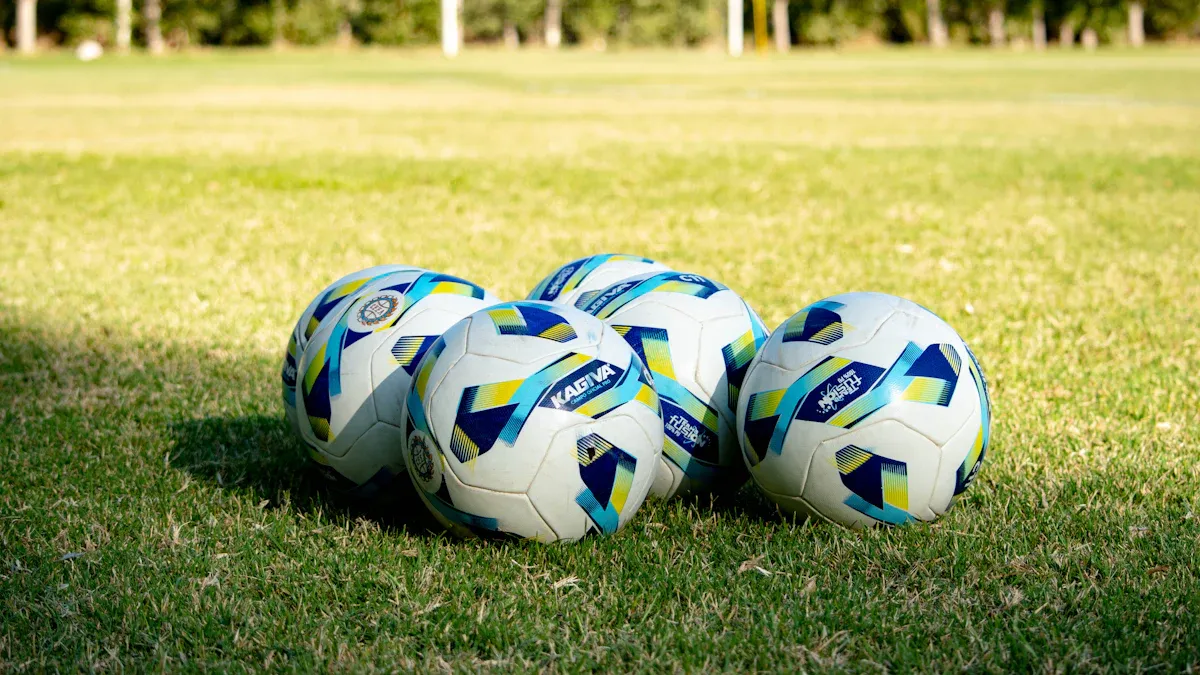
Microfiber PU and PVC footballs use different materials and offer unique benefits. Microfiber PU footballs use fine synthetic fibers coated with polyurethane. This combination creates a soft, smooth surface. PVC footballs use polyvinyl chloride, a type of plastic that feels harder and less flexible.
Players notice that Microfiber PU footballs provide a better grip and a more comfortable touch. Coaches often choose these balls for training and matches because they last longer and perform well in various weather conditions. PVC footballs usually cost less and work well for casual play or practice on rough surfaces. However, they may not offer the same level of control or comfort.
|
Feature |
Microfiber PU Football |
PVC Football |
|---|---|---|
|
Touch |
Soft and smooth |
Harder, less soft |
|
Durability |
High |
Moderate |
|
Water Resistance |
Excellent |
Good |
|
Price |
Higher |
Lower |
|
Best For |
Matches, training |
Casual play |
Tip: Players who want a ball for serious practice or games should consider Microfiber PU. Those who need a budget-friendly option for backyard play can choose PVC.
PU vs. Leather Footballs
PU (polyurethane) and leather footballs have different characteristics. PU footballs use synthetic materials that resist water and keep their shape. Leather footballs use natural animal hide, which feels heavier and absorbs more moisture.
Many professional leagues used leather balls in the past. Today, most competitions use PU footballs because they perform better in all weather. PU footballs stay lighter and easier to handle, even in rain. Leather footballs can become heavy and slippery when wet. They also require more care to prevent cracking or drying out.
|
Feature |
PU Football |
Leather Football |
|---|---|---|
|
Weight in Rain |
Stays light |
Gets heavier |
|
Maintenance |
Easy |
Needs care |
|
Consistency |
High |
Varies |
|
Cost |
Moderate |
Higher |
|
Use |
Modern matches |
Collectors, retro |
Note: PU footballs suit modern play. Leather balls appeal to collectors or those who enjoy a classic feel.
Feel & Playability
The feel and playability of a football affect how players perform on the field. Microfiber PU footballs offer a soft touch and consistent bounce. Players find it easier to control the ball during dribbling, passing, and shooting. The surface texture helps shoes grip the ball, which improves accuracy.
PVC footballs feel firmer and may bounce unpredictably. This can make skill development harder for beginners. Leather footballs provide a traditional feel but may become slippery or heavy in wet conditions. PU footballs deliver reliable performance in all weather, which helps players focus on their technique.
Microfiber PU: Soft, responsive, easy to control
PVC: Firm, less predictable, good for rough play
Leather: Classic feel, can be heavy, needs care
Players who want the best playability and comfort often choose Microfiber PU footballs. Coaches recommend these balls for both training and matches because they help players develop skills with confidence.
Durability & Care
Durability plays a key role when choosing a football. Each type-Microfiber PU, PVC, and Leather-offers different strengths and weaknesses in this area. Players and coaches often look for a ball that can handle frequent use and rough conditions.
Microfiber PU Footballs
These footballs show high durability. The microfiber layer resists scratches and scuffs. Polyurethane coating protects the surface from cracking and fading. Microfiber PU footballs keep their shape even after many games. They work well on grass, turf, or indoor courts. Teams often use them for both training and matches because they last longer than other types.
PVC Footballs
PVC footballs offer moderate durability. The plastic material stands up to rough surfaces like concrete or gravel. Many schools and parks use PVC balls for casual play. However, the surface can become hard and lose its grip over time. PVC balls may develop cracks if left in the sun or exposed to extreme temperatures.
Leather Footballs
Leather footballs provide a classic feel but require more care. Natural leather absorbs water and can become heavy in wet conditions. The surface may crack or dry out if not treated with special oils. Leather balls often lose their shape faster than synthetic options. Collectors and retro players value leather for its tradition, but most teams prefer modern materials for everyday use.
Tip: Microfiber PU footballs need less maintenance than leather balls. Players can clean them with a damp cloth and store them in a cool, dry place.
Care Comparison Table
|
Football Type |
Durability Level |
Care Needed |
Common Issues |
|---|---|---|---|
|
Microfiber PU |
High |
Low |
Minor scuffs |
|
PVC |
Moderate |
Very Low |
Hardening, cracking |
|
Leather |
Low-Moderate |
High |
Water damage, cracking |
Care Tips for Each Type:
Microfiber PU: Wipe with a damp cloth. Avoid sharp objects. Store indoors.
PVC: Clean with mild soap. Do not leave in direct sunlight.
Leather: Dry after use. Apply leather conditioner. Store in a ventilated bag.
Players who want a long-lasting, low-maintenance football often choose Microfiber PU. PVC works for rough play but may not last as long. Leather needs extra care and suits collectors or special matches.
Note: Proper care extends the life of any football. Simple cleaning and correct storage help keep the ball in top condition.


Why Choose Microfiber PU Football
Key Advantages
Players and coaches often look for equipment that offers both quality and value. Microfiber PU Football stands out because it combines advanced materials with practical benefits. The ball features a soft touch, which helps players control it with ease. The durable construction resists wear from frequent use. Water resistance keeps the ball in top shape during rainy games or wet practices. The surface provides excellent grip, which supports accurate dribbling and passing. Consistent performance means the ball behaves the same way every time, helping players build confidence.
Note: Teams that invest in reliable equipment often see better results on the field.
A table below summarizes the main advantages:
|
Advantage |
What It Means for Players |
|---|---|
|
Soft Touch |
Comfortable control |
|
Durability |
Long-lasting use |
|
Water Resistance |
Reliable in all weather |
|
Good Grip |
Fewer mistakes |
|
Consistency |
Predictable play |
Who Should Use It
Many types of players benefit from this football. Young athletes find it easier to learn basic skills because the ball feels soft and light. Amateurs enjoy the consistent bounce and grip, which help them improve their technique. Professionals appreciate the reliable performance during intense matches. Coaches often recommend this ball for training sessions because it supports skill development at every level.
Tip: Schools, clubs, and academies often choose this football for group practices.
Parents also prefer this option for their children. The ball's durability means fewer replacements, which saves money over time. Goalkeepers notice the improved grip, which helps them catch and throw with more accuracy.
Best Use Cases
Microfiber PU Football works well in many situations. Teams use it for regular training on grass, turf, or indoor courts. Players rely on its water resistance during outdoor matches, even in wet weather. Coaches select this ball for skill drills, passing exercises, and shooting practice. The ball's consistent feel makes it ideal for both friendly games and competitive matches.
School sports programs
Youth football clubs
Amateur leagues
Professional training sessions
Backyard practice
Players who want a reliable, comfortable, and long-lasting football often choose this type for everyday use.
Microfiber PU Football offers a smart solution for anyone who values performance, comfort, and durability in their game.
Care Tips for Microfiber PU Football
Cleaning
Players should keep their Microfiber PU Football clean to maintain its performance and appearance. Dirt and mud can build up on the surface after games or practice. Regular cleaning helps prevent stains and keeps the ball looking new.
Steps for Cleaning:
Remove loose dirt with a soft brush or dry cloth.
Wipe the surface with a damp cloth. Use mild soap if needed.
Rinse the cloth and wipe away any soap residue.
Dry the ball with a clean towel.
Tip: Never soak the football in water. Excess moisture can damage the inner layers.
Players should avoid using harsh chemicals or abrasive sponges. These can scratch the PU coating and reduce the ball's lifespan. A gentle approach works best for microfiber surfaces.
Storage
Proper storage protects the football from damage and extends its usability. Players should store the ball in a cool, dry place. Direct sunlight or extreme heat can cause the PU layer to crack or fade.
Best Storage Practices:
Keep the ball indoors when not in use.
Store the football in a ventilated bag or on a shelf.
Avoid placing heavy objects on top of the ball.
A table below shows common storage mistakes and their effects:
|
Mistake |
Possible Damage |
|---|---|
|
Leaving in sunlight |
Fading, cracking |
|
Storing in damp areas |
Mold, odor |
|
Placing under pressure |
Misshapen ball |
Note: Good storage habits help the football keep its shape and grip.
Extending Lifespan
Players can take simple steps to make their Microfiber PU Football last longer. Regular care and attention prevent early wear and tear.
Ways to Extend Lifespan:
Rotate the ball during practice to avoid uneven wear.
Check air pressure before each use. Inflate to the recommended level.
Clean the ball after every game.
Inspect for cuts or scuffs and address them quickly.
Players who follow these tips enjoy a reliable football for many seasons. Consistent care supports better performance and saves money on replacements.
A well-maintained Microfiber PU Football rewards players with lasting quality and dependable play. Coaches and teams benefit from equipment that stays in top condition throughout the season.


Myths About Microfiber PU Football
Marketing Claims
Many brands promote Microfiber PU Football with bold statements. Some companies claim their footballs offer "professional-level performance" or "exclusive technology." These phrases often attract buyers, but not every claim reflects reality. Manufacturers sometimes exaggerate the benefits to stand out in the market.
Note: Buyers should check product reviews and ask coaches for recommendations before trusting marketing slogans.
A few brands use terms like "premium microfiber" or "advanced PU coating." These words sound impressive, but most footballs use similar materials. The difference lies in the quality of construction, not just the label. Players should focus on proven features such as durability, water resistance, and grip.
Common Marketing Claims:
"Lasts twice as long as other balls"
"Official match quality"
"Unique surface technology"
Many of these claims lack scientific backing. Players can avoid disappointment by researching before purchasing.
Performance Myths
Some players believe Microfiber PU Footballs guarantee better performance. This myth spreads quickly among teams and schools. The truth is, skill and practice matter more than the ball itself. Microfiber PU Footballs offer consistent touch and reliable grip, but they do not magically improve a player's abilities.
Tip: Coaches encourage players to focus on training rather than relying on equipment for skill improvement.
A few myths suggest these footballs bounce higher or roll farther than others. In reality, the ball's performance depends on factors like inflation, surface, and weather. Microfiber PU Footballs provide predictable behavior, but they do not outperform every other type in every situation.
|
Myth |
Fact |
|---|---|
|
"Makes you play like a pro" |
Practice and skill drive improvement |
|
"Always bounces higher" |
Bounce depends on inflation and field |
|
"Never slips" |
Grip improves, but slips can happen |
Players should view Microfiber PU Football as a tool, not a shortcut to success.
Quality Differences
Some buyers think all Microfiber PU Footballs offer the same quality. This belief leads to confusion when balls wear out quickly or feel different. Manufacturers use various grades of microfiber and PU. The stitching, bladder, and layer thickness affect the ball's lifespan and performance.
Note: High-quality footballs use strong stitching and balanced layers. Low-quality options may lose shape or grip after a few games.
A table below shows key quality differences:
|
Feature |
High-Quality Ball |
Low-Quality Ball |
|---|---|---|
|
Microfiber |
Fine, dense fibers |
Coarse, sparse fibers |
|
PU Coating |
Even, smooth finish |
Thin, uneven coating |
|
Stitching |
Tight, durable seams |
Loose, weak seams |
|
Shape Retention |
Holds shape longer |
Misshapen quickly |
Players should check reviews, inspect the ball, and ask for recommendations. Quality varies between brands and models. Choosing a reputable manufacturer ensures a better playing experience.
Tip: Investing in a well-made Microfiber PU Football saves money and supports skill development.
Microfiber PU Football offers players durability, soft touch, water resistance, and reliable grip. Teams benefit from consistent performance and easy care. Coaches recommend this football for training and matches. Players should consider their skill level and playing conditions before choosing a ball.
Durable and long-lasting
Comfortable for all ages
Performs well in any weather
Try Microfiber PU Football for your next game. Experience the difference in control and comfort!


FAQ
What makes Microfiber PU Football different from regular footballs?
Microfiber PU Football uses fine synthetic fibers and a polyurethane coating. This combination gives the ball a soft touch, strong durability, and water resistance. Players notice better grip and consistent performance compared to many standard footballs.
Can Microfiber PU Football be used on any playing surface?
Yes, players can use Microfiber PU Football on grass, turf, or indoor courts. The ball maintains its shape and grip across different surfaces. Coaches often recommend it for both training and matches.
How should players clean a Microfiber PU Football?
Players should wipe the ball with a damp cloth and mild soap. They should avoid soaking the ball or using harsh chemicals. Regular cleaning keeps the surface smooth and extends the ball's lifespan.
Is Microfiber PU Football suitable for children?
Microfiber PU Football suits children well. The soft touch and lightweight design help young players learn skills comfortably. Parents and coaches often choose this ball for youth teams and beginners.
How long does a Microfiber PU Football last?
With proper care, Microfiber PU Football can last for many seasons. The durable materials resist wear and tear. Teams often use the same ball for both practice and games.
Does weather affect the performance of Microfiber PU Football?
The polyurethane coating protects the ball from water and dirt. Rain or wet grass does not change the ball's weight or grip. Players can rely on consistent performance in most weather conditions.
You Might Also Like
-

Thick Faux Leather Material For Bags
-

Colorfast PU Artificial Fabric Micro Suede Furniture Sofa...
-

Microsuede Faux Leather Artificial Furniture Material For...
-

Colorful Artificial Leather Micro Fiber PU Fabric For Car
-

Microfiber Eco Leather for Bags Making
-

Artificial Suede Ultrasuede Microfiber Leather Material F...