

Microfiber Material Soccer Explained For Every Player
Dec 15, 2025
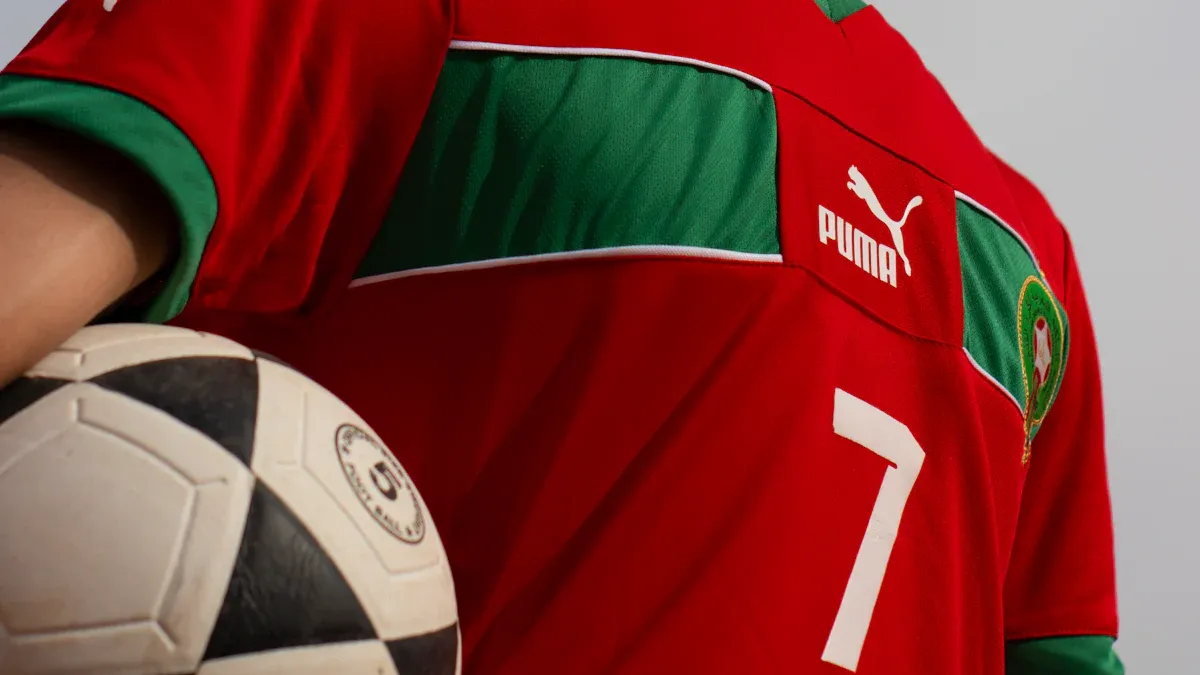
Microfiber Material Soccer refers to the use of microfiber, a synthetic fabric made from ultra-fine fibers, in soccer gear. This material stands out for its lightweight feel, strong durability, and excellent moisture-wicking capabilities. Players experience greater breathability and easy care with microfiber equipment. These qualities help athletes stay comfortable and focused during play. > Players should think about how microfiber can improve the performance and lifespan of their own soccer gear.
Key Takeaways
Microfiber soccer gear is lightweight, allowing players to move freely and reducing fatigue during matches.
The breathability of microfiber helps regulate body temperature, keeping players cool and comfortable in all weather conditions.
Durability is a key benefit of microfiber; it resists tearing and maintains its shape, extending the lifespan of soccer gear.
Moisture-wicking properties of microfiber draw sweat away from the skin, preventing discomfort and improving hygiene during play.
Microfiber gear is easy to care for; it dries quickly and resists stains, making maintenance simple for athletes.
Choosing high-quality microfiber gear enhances performance, as it combines comfort, flexibility, and advanced design features.
Players should follow proper care instructions to maximize the durability and effectiveness of their microfiber gear.
Microfiber soccer balls and shoes improve grip and control, helping players perform better on the field.
Microfiber Material Soccer Defined
What Is Microfiber?
Microfiber refers to a synthetic fiber that is much finer than a human hair. In the world of soccer, manufacturers use microfiber to create gear that feels light and smooth. Each strand measures less than one denier, which means the fibers are extremely thin. This fine structure allows the material to provide a soft touch and high flexibility. Microfiber material soccer products often outperform traditional fabrics because they combine comfort with advanced performance features. Players notice the difference when they wear jerseys, shorts, or use soccer balls made from microfiber.
Composition: Polyester and Polyamide
Manufacturers create microfiber by blending two main synthetic materials: polyester and polyamide. Polyester gives the fabric strength and durability. Polyamide, often known as nylon, adds softness and flexibility. When combined, these fibers form a fabric that resists wear and tear while remaining comfortable against the skin. The unique mix of polyester and polyamide allows microfiber material soccer gear to maintain its shape and function even after repeated use. This composition also helps the gear dry quickly and resist stains, which is important for athletes who play in different weather conditions.
How Microfiber Is Made
The production of microfiber involves advanced technology. Factories use a process called extrusion to push melted polyester and polyamide through tiny holes. This creates ultra-fine threads. Machines then weave or knit these threads into fabric. The result is a dense, smooth material with a high thread count. This process ensures that microfiber material soccer products have a consistent texture and reliable performance.
Manufacturers choose microfiber over natural fibers for several reasons:
Synthetic materials like microfiber meet the high functionality demands of soccer players.
Microfiber offers superior durability, which is essential for sports gear that faces constant use.
Each fiber type, whether natural or synthetic, brings unique qualities. Microfiber stands out for its balance of durability, functionality, fit, and even recyclability.
Microfiber material soccer gear has become the standard for players who want reliable, high-performing equipment. The synthetic nature of microfiber ensures that it meets the needs of modern athletes. Players benefit from gear that lasts longer, feels better, and performs well in every match.
Microfiber Properties in Soccer Gear
Lightweight and Breathable
Microfiber soccer gear stands out for its lightweight design. Players notice the difference as soon as they put on jerseys or shorts made from synthetic materials. The lightweight nature of microfiber allows athletes to move freely across the field. This flexibility supports quick sprints, sharp turns, and sudden stops. Soccer shoes and cleats made with microfiber also reduce fatigue during long matches.
Breathability is another key advantage. Microfiber fabric contains tiny spaces between fibers. These spaces let air flow through the material. Players experience better temperature regulation because heat escapes easily. Breathability keeps athletes cool in hot weather and prevents overheating. The combination of lightweight and breathability improves comfort for every player. Soccer gear made from synthetic materials does not trap sweat or heat. Instead, it helps maintain a fresh feeling throughout the game.
Coaches often recommend microfiber gear for young athletes. The lightweight feel and breathability help players focus on their skills rather than discomfort. Microfiber jerseys and shorts dry quickly after intense activity. This property makes maintenance simple and keeps gear ready for the next match.
Durability and Strength
Soccer demands gear that can withstand rough play and frequent use. Microfiber delivers durability and strength through its unique blend of synthetic materials. Polyester and polyamide fibers resist tearing and stretching. Players rely on this strength when sliding, tackling, or making contact with other athletes. Microfiber soccer balls hold their shape even after repeated kicks. Cleats and shoes made from microfiber last longer than those made from natural fabrics.
Durability extends the lifespan of soccer gear. Athletes do not need to replace jerseys, shorts, or accessories as often. The strength of synthetic materials ensures that seams and stitching remain intact. Microfiber resists abrasion from grass, turf, and dirt. This property protects the gear's appearance and function. Players benefit from consistent comfort and performance throughout the season.
Tip: To maximize durability, players should follow care instructions for microfiber gear. Proper washing and storage help maintain the strength of synthetic materials.
Moisture-Wicking Ability
Microfiber excels at moisture-wicking. The structure of synthetic materials draws sweat away from the skin. Players stay dry even during intense matches. Moisture-wicking technology works by moving sweat to the outer surface of the fabric. There, it evaporates quickly. This process prevents discomfort caused by wet or sticky clothing.
Moisture-wicking gear supports comfort and hygiene. Players avoid chafing and skin irritation. The quick-drying feature of microfiber means gear is ready for use soon after washing. Moisture-wicking also reduces odor buildup. Soccer balls, gloves, and accessories made from microfiber stay fresh longer.
The moisture-wicking ability of microfiber enhances grip and control. Dry hands and feet improve ball handling and footwork. Players maintain focus on the game rather than distractions from sweat. Coaches and trainers recommend moisture-wicking gear for athletes at every level.
|
Microfiber Property |
Benefit for Players |
Maintenance Advantage |
|---|---|---|
|
Lightweight |
Easier movement, less fatigue |
Quick drying |
|
Breathability |
Better temperature regulation |
Reduces odor |
|
Durability |
Longer gear lifespan |
Resists wear and tear |
|
Moisture-Wicking |
Dry skin, improved comfort |
Easy cleaning |
Microfiber soccer gear combines lightweight design, breathability, durability, and moisture-wicking ability. These properties work together to support comfort, flexibility, and performance. Synthetic materials provide reliable gear for every player, from beginners to professionals.
Softness and Comfort
Microfiber stands out for its soft texture. The fine fibers create a smooth surface that feels gentle against the skin. Soccer players notice this softness when they wear jerseys, shorts, or gloves made from microfiber. The material does not cause irritation or roughness, even during long matches.
Comfort plays a key role in athletic performance. Players who feel comfortable can focus on their skills and tactics. Microfiber adapts to the body's movements. The fabric stretches and returns to shape, which helps athletes move freely. This flexibility supports quick changes in direction and speed.
Many soccer players prefer microfiber gear because it reduces chafing. The smooth surface prevents friction between the skin and the fabric. This feature is important for players who train or compete in hot weather. Microfiber also feels comfortable in cold conditions because it does not become stiff.
Note: Coaches often recommend microfiber jerseys for young athletes. The soft material helps prevent skin irritation and keeps players comfortable throughout practice and games.
A table below shows how softness and comfort benefit soccer players:
|
Feature |
Benefit for Players |
|---|---|
|
Soft Texture |
Reduces skin irritation |
|
Flexible Fit |
Supports natural movement |
|
Smooth Surface |
Prevents chafing |
|
Consistent Feel |
Comfort in all conditions |
Water and Stain Resistance
Microfiber resists water and stains better than many natural fabrics. The dense weave of the fibers creates a barrier that keeps moisture out. Soccer players benefit from this property during rainy matches or wet field conditions. Water beads up on the surface of microfiber gear instead of soaking in.
Stain resistance helps keep soccer gear looking new. Mud, grass, and sweat do not easily penetrate the fabric. Players can clean their jerseys, shorts, and accessories with less effort. This feature saves time and extends the life of the equipment.
Water and stain resistance also improve performance. Dry gear feels lighter and more comfortable. Players do not have to worry about heavy, wet clothing slowing them down. Gloves and shoes made from microfiber maintain their grip, even in damp conditions.
Tip: To keep microfiber gear water and stain resistant, players should follow the manufacturer's care instructions. Avoid using fabric softeners, which can reduce the effectiveness of the protective barrier.
A summary of water and stain resistance benefits:
Keeps gear dry during wet weather
Prevents mud and grass stains
Makes cleaning easier
Maintains grip and control
Microfiber's water and stain resistance help soccer players stay focused on the game. The gear remains clean, dry, and ready for every match.


Microfiber in Soccer Equipment
Soccer Balls
Manufacturers use microfiber to improve soccer ball design. The fine fibers create a smooth and consistent surface. This surface helps players control the ball with precision. Microfiber allows for advanced construction of the ball, which leads to better shape retention and flight stability. Many professional leagues choose microfiber for match balls because it offers reliable performance in all weather conditions.
Microfiber also supports lightweight materials in soccer ball design. These materials make the ball easier to handle and kick. Players notice that microfiber soccer balls respond well to both soft touches and powerful strikes. The dense weave of microfiber resists water absorption. This feature keeps the ball light, even on wet fields. Teams benefit from soccer balls that maintain their quality throughout the season.
Tip: Coaches recommend microfiber soccer balls for training and competition. The consistent feel and durability help players develop better skills.
Sports Shoes and Cleats
Microfiber has transformed the world of sports shoes. High-performance sports shoes for soccer now rely on microfiber for several reasons. The material provides a lighter feel than traditional leather. Players move faster and experience less fatigue during matches. Microfiber also offers moisture resistance, which keeps feet dry and comfortable.
Compared to leather or other synthetic options, microfiber delivers several advantages:
Consistent performance in different weather conditions
Lighter weight for improved speed and agility
Better moisture management, reducing the risk of blisters
Manufacturers use lightweight materials in the upper part of sports shoes. This choice supports quick footwork and sharp turns. Microfiber adapts to the shape of the foot, offering a snug fit without stretching out over time. High-performance sports shoes made with microfiber require less maintenance than leather options. Players spend less time cleaning and conditioning their footwear.
The durability of microfiber ensures that sports shoes and cleats last through many games and practices. The material resists scuffs and stains, keeping shoes looking new. Soccer players at all levels benefit from the advanced technology found in modern sports shoes.
Jerseys and Shorts
Teams choose microfiber for jerseys and shorts because of its comfort and performance. The fabric feels soft against the skin and stretches with every movement. Players stay cool and dry, even during intense matches. Microfiber wicks sweat away from the body, which helps regulate temperature.
Lightweight materials in jerseys and shorts allow athletes to move freely. The breathable structure of microfiber prevents overheating. Teams appreciate how quickly microfiber gear dries after washing. This feature keeps uniforms ready for the next game.
Microfiber also resists stains from grass, mud, and sweat. The colors stay bright, and the fabric holds its shape after many washes. Soccer players enjoy the combination of comfort, durability, and easy care that microfiber provides.
Note: Many youth leagues select microfiber uniforms for their teams. The material supports active play and stands up to frequent use.
Gloves and Accessories
Microfiber plays a key role in the design of soccer gloves and accessories. Manufacturers use this material to improve grip, comfort, and durability. Goalkeepers rely on gloves made with microfiber for better ball control. The fine fibers create a textured surface that helps hands hold the ball securely. This grip remains effective in both dry and wet conditions.
Players also benefit from the moisture-wicking ability of microfiber. The material draws sweat away from the skin. Dry hands help athletes maintain focus during intense matches. Microfiber gloves dry quickly after washing, which makes them ready for use in the next game. The quick-drying feature also reduces odor buildup.
Comfort stands out as another advantage. Microfiber feels soft against the skin. The flexible fabric adapts to the shape of the hand. This fit allows for natural movement and reduces the risk of blisters. Many players prefer microfiber gloves because they do not cause irritation, even after long periods of use.
Accessories such as headbands, wristbands, and shin guard sleeves also use microfiber. These items help manage sweat and keep players comfortable. Headbands made from microfiber absorb moisture and prevent sweat from running into the eyes. Wristbands keep hands dry and improve grip on the ball. Shin guard sleeves hold protective gear in place without causing discomfort.
Tip: Players should choose microfiber accessories for training and matches. The material offers reliable performance and easy care.
A table below shows the benefits of microfiber in soccer gloves and accessories:
|
Item |
Microfiber Benefit |
Player Advantage |
|---|---|---|
|
Goalkeeper Gloves |
Enhanced grip |
Better ball control |
|
Headbands |
Sweat absorption |
Clear vision |
|
Wristbands |
Moisture management |
Dry hands, improved grip |
|
Shin Guard Sleeves |
Soft, flexible fit |
Comfort, secure protection |
Microfiber also resists stains and water. Gloves and accessories stay clean and maintain their appearance. The durable fibers withstand frequent washing and rough play. Players do not need to replace their gear as often. This durability saves money and ensures consistent performance.
Manufacturers continue to develop new microfiber blends for soccer accessories. These innovations focus on improving comfort, fit, and function. Players at all levels can benefit from choosing microfiber gloves and accessories. The material supports better performance and makes soccer more enjoyable.
Performance and Durability Benefits


Enhanced Player Performance
Microfiber soccer gear supports athletes who want to reach their highest potential. The lightweight structure of microfiber allows players to move quickly and change direction with ease. Coaches observe that athletes wearing microfiber uniforms often show better agility on the field. The breathability of the material helps regulate body temperature, which keeps players comfortable during intense matches. Sweat does not stay trapped against the skin. Instead, the fabric moves moisture away, so players stay dry and focused.
Players also benefit from the consistent fit of microfiber gear. The material stretches and returns to its original shape, which means jerseys and shorts do not sag or lose form. This feature helps athletes maintain a professional appearance and feel confident. Microfiber's advanced design improves ball control and touch, especially when used in soccer balls and gloves. Teams that use microfiber equipment often report higher levels of satisfaction with their gear.
Coaches recommend microfiber gear for athletes who want to improve their performance and comfort on the field.
Long-Lasting Gear
Durability stands as one of the most important features of microfiber soccer equipment. Manufacturers design microfiber products to withstand the demands of regular training and competition. The fibers resist tearing, stretching, and abrasion. Players notice that their jerseys, shorts, and accessories last through many seasons without losing quality. Durability means that seams stay strong, and colors remain bright after repeated washing.
Soccer balls made from microfiber keep their shape and surface texture, even after hundreds of kicks. Shoes and cleats do not show scuffs or wear as quickly as those made from other materials. Durability also reduces the need for frequent replacements, which saves money for teams and families. Athletes trust that their gear will perform well, game after game.
A table below highlights the benefits of durability in soccer gear:
|
Gear Type |
Durability Benefit |
Player Advantage |
|---|---|---|
|
Jerseys/Shorts |
Resist tears and fading |
Longer use, less cost |
|
Soccer Balls |
Hold shape and texture |
Consistent play |
|
Shoes/Cleats |
Withstand rough surfaces |
Fewer replacements |
|
Gloves |
Maintain grip and fit |
Reliable protection |
Tip: Players should follow care instructions to maximize the durability of their microfiber gear.
Improved Grip and Control
Microfiber technology enhances grip and control for soccer players. Goalkeepers rely on gloves with microfiber palms to catch and hold the ball securely. The fine fibers create a textured surface that works well in both dry and wet conditions. Field players benefit from shoes and cleats that grip the turf, which helps with quick stops and starts.
Durability plays a key role in maintaining grip. Microfiber does not wear down easily, so gloves and shoes keep their performance features longer. Players experience better ball handling and footwork because the material stays reliable. Accessories like wristbands and headbands also use microfiber to manage sweat and improve grip.
Note: Teams that invest in microfiber gear see improvements in both durability and control during matches.
Microfiber's combination of advanced design and durability makes it a top choice for soccer equipment. Players at every level gain confidence knowing their gear will last and support their best performance.
Care for Microfiber Soccer Gear
Cleaning Tips
Players should clean microfiber soccer gear regularly to maintain performance and support sustainability. Most jerseys, shorts, and accessories allow for machine washing. Cold water works best because it protects the fibers and saves energy, which helps with sustainability. Mild detergent removes dirt and sweat without damaging the material. Strong chemicals or bleach can weaken the fibers and reduce the gear's lifespan.
A gentle wash cycle prevents stretching and tearing. Players should turn gear inside out before washing. This step protects logos and colors. Washing similar items together reduces friction and helps with sustainability by allowing for full loads.
Tip: Spot clean stains as soon as possible. Quick action prevents permanent marks and supports sustainability by reducing the need for harsh treatments.
Drying and Storage
Proper drying methods extend the life of microfiber soccer gear and promote sustainability. Air drying is the best choice. Players can hang jerseys, shorts, and gloves on a line or lay them flat. This method uses less energy and supports sustainability. If a dryer is necessary, a low heat setting prevents shrinking and fiber damage. High heat can break down the synthetic structure and shorten the gear's useful life.
Storage also affects durability and sustainability. Clean, dry gear should go in a cool, ventilated space. Avoid cramming items into bags or lockers. Good airflow prevents mold and odor. Players should keep gear away from direct sunlight, which can fade colors and weaken fibers.
A table below summarizes drying and storage tips:
|
Step |
Benefit |
Sustainability Impact |
|---|---|---|
|
Air Dry |
Prevents damage |
Saves energy |
|
Low Heat (if needed) |
Reduces shrinkage |
Extends gear life |
|
Ventilated Storage |
Stops mold and odor |
Reduces waste |
What to Avoid
Certain practices can harm microfiber soccer gear and reduce sustainability. Players should never use fabric softeners. These products coat the fibers and block moisture-wicking ability. Bleach and harsh chemicals break down the material and shorten gear lifespan. High heat from dryers or irons can melt synthetic fibers.
Avoid washing gear with rough items like jeans or towels. These can cause pilling and wear. Overloading the washing machine leads to poor cleaning and extra stress on seams. Players should not store wet gear in closed bags. Moisture encourages bacteria and mold, which damage the fabric and reduce sustainability.
Note: Responsible care choices help players get the most from their gear and support sustainability in sports.
Players who follow these guidelines protect their investment and contribute to sustainability. Proper cleaning, drying, and storage keep microfiber soccer gear in top condition for many seasons.
Choosing Microfiber Material Soccer Gear
What to Look For
Players who want the best soccer experience should pay attention to several factors when selecting microfiber gear. The quality of blended textile materials plays a major role in performance. High-quality blended textile materials combine polyester and polyamide in a way that maximizes both comfort and durability. The construction of the gear also matters. Manufacturers use advanced construction techniques to create a tight weave, which improves strength and helps the gear keep its shape.
When shopping for jerseys, shorts, or gloves, players should check the label for information about the materials used in production. A good product will list the blend ratio of polyester and polyamide. This ratio affects how the gear feels and performs. Players should also look for reinforced seams and double stitching. These features show that the construction is designed to handle the demands of soccer.
Breathability and moisture-wicking ability are important for comfort. Microfiber gear with a mesh panel or ventilation zones allows air to flow and helps regulate temperature. Some brands add special coatings to improve water and stain resistance. Players should consider these features if they often play in wet or muddy conditions.
Tip: Try on different brands and sizes before buying. The fit of microfiber gear can vary based on the construction and the blend of materials.
A checklist for choosing microfiber soccer gear:
Check for high-quality blended textile materials
Inspect the construction for reinforced seams
Review the materials used in production on the label
Look for moisture-wicking and breathable features
Consider water and stain resistance
Comparing to Other Materials
Microfiber stands out when compared to other options like cotton or leather. Cotton feels soft but absorbs sweat and dries slowly. Leather offers durability but feels heavy and requires more care. Microfiber, made from blended textile materials, provides a balance of lightness, strength, and easy maintenance.
The construction of microfiber gear gives it an edge over traditional fabrics. Manufacturers use advanced construction methods to create a smooth, consistent surface. This surface improves ball control and reduces friction. Blended textile materials also resist shrinking and fading, which keeps gear looking new longer.
A table below compares microfiber to other common soccer gear materials:
|
Feature |
Microfiber (Blended Textile Materials) |
Cotton |
Leather |
|---|---|---|---|
|
Weight |
Light |
Medium |
Heavy |
|
Moisture Management |
Excellent |
Poor |
Fair |
|
Durability |
High |
Medium |
High |
|
Maintenance |
Easy |
Moderate |
Difficult |
|
Construction Quality |
Advanced |
Basic |
Traditional |
Players who choose microfiber benefit from modern blended textile materials and superior construction. These advantages help athletes perform at their best and keep their gear in top condition.
Microfiber stands as a top choice for soccer gear. Players see how microfiber improves soccer performance, comfort, and durability. Soccer equipment made with microfiber offers high quality and long-lasting use. Soccer teams trust microfiber for jerseys, gloves, and shoes. Quality matters in every soccer match. Coaches notice the difference in soccer gear quality. Soccer players experience less wear and better comfort. Soccer gear with microfiber resists stains and keeps its shape. Soccer athletes should choose microfiber for the best quality. Understanding soccer materials helps every player reach a higher level.


FAQ
What makes microfiber better than cotton for soccer gear?
Microfiber dries faster and resists stains better than cotton. Players experience less discomfort from sweat. The material also keeps its shape and color after many washes. Teams often choose microfiber for its durability and easy maintenance.
Can microfiber soccer gear cause skin irritation?
Most players find microfiber soft and gentle on the skin. The fine fibers reduce friction and help prevent chafing. Coaches recommend microfiber jerseys and shorts for athletes with sensitive skin.
How do flexible materials like microfiber improve performance?
Flexible materials allow soccer gear to move with the body. Players enjoy greater freedom of movement during sprints, turns, and kicks. Microfiber adapts to different body shapes and supports natural athletic motion.
Is microfiber suitable for all weather conditions?
Microfiber performs well in both hot and cold weather. The fabric breathes in warm conditions and dries quickly after rain. Players stay comfortable and dry, even during intense matches or sudden weather changes.
How should players wash microfiber soccer gear?
Players should use cold water and mild detergent. Turning gear inside out protects colors and logos. Air drying works best. Avoid bleach and fabric softeners to keep the fibers strong and effective.
Does microfiber soccer gear last longer than other materials?
Microfiber resists tearing, stretching, and fading. Many players report that their gear lasts through multiple seasons. The material's strength and easy care make it a popular choice for teams and individuals.
Can microfiber soccer balls be used on wet fields?
Microfiber soccer balls resist water absorption. The surface stays light and maintains grip, even on wet grass. Teams often use microfiber balls for matches in rainy conditions.
Are there any disadvantages to microfiber soccer gear?
Some players notice that microfiber can hold static electricity. The material may also attract lint if washed with towels. Following care instructions helps minimize these issues.