


3 Reasons Microfiber Safety Shoes Beat Leather And Mesh
Dec 16, 2025


I see microfiber safety shoes outperform leather and mesh in every demanding environment. I choose microfiber shoes because they last longer and resist tough conditions. My experience with safety shoes shows that microfiber stands up to daily wear. Labor protection shoes made from microfiber offer better comfort and easier care. I trust microfiber for reliable work shoes that support my job. I appreciate how these shoes also help the planet and my budget.
Key Takeaways
Microfiber safety shoes last longer than leather and mesh, reducing the need for frequent replacements.
These shoes resist water and chemicals, keeping your feet dry and protected in tough environments.
Microfiber shoes are lightweight, which helps reduce fatigue during long work shifts.
The flexible design of microfiber shoes allows for natural movement, making them ideal for active jobs.
Microfiber safety shoes are easy to clean and dry quickly, saving you time and effort.
They offer excellent odor control by resisting bacteria and mold, keeping your shoes fresh.
Microfiber shoes are often more affordable than leather, providing better value over time.
Choosing microfiber supports eco-friendly practices, as many manufacturers use recycled materials.
Microfiber vs Leather: Durability
Wear and Tear Resistance
Toughness in Demanding Jobs
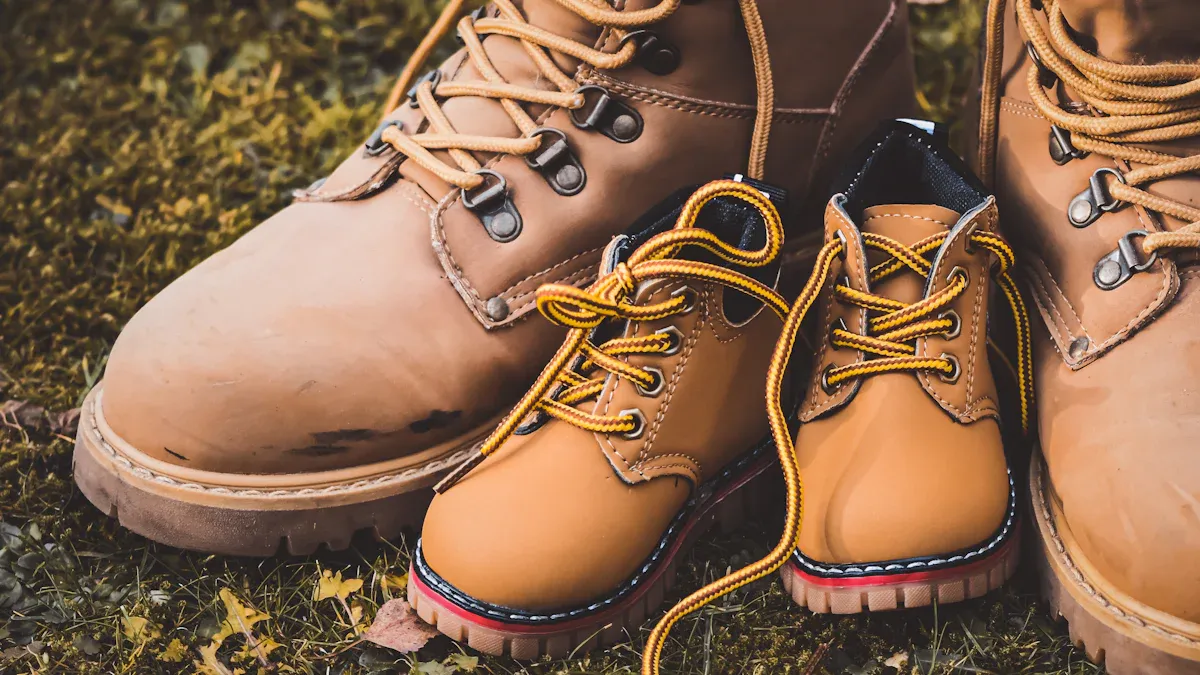
I have worked in environments where shoes face constant abrasion, heavy impacts, and rough surfaces. In my experience, microfiber leather stands up to these challenges better than traditional leather. I notice that microfiber safety shoes do not scuff or crack as easily. The surface remains intact even after months of use on concrete, metal, and gravel. When I compare microfiber vs leather, I see that microfiber delivers consistent performance in construction, manufacturing, and warehouse settings.
The average lifespan of safety shoes, including nubuck leather, ranges from 6 to 18 months.
High-impact jobs often require more frequent replacements, especially with leather shoes.
Microfiber leather maintains its structure and appearance longer, reducing the need for early replacements.
I value this long-lasting quality because it means I do not have to worry about my shoes failing during critical tasks. I trust microfiber to provide reliable protection every day.
Longevity Compared to Leather
Leather shoes often show signs of fatigue after several months. I see creases, splits, and worn-out soles. Microfiber leather, on the other hand, resists these issues. I have noticed that my microfiber safety shoes last through multiple seasons without losing their shape or support. This durability saves me money and time, as I do not need to replace my footwear as often.
Water and Chemical Protection
Water-Resistant Features
Wet conditions can ruin leather shoes quickly. I have seen water stains and salt marks appear after just a few rainy days. Microfiber leather offers a clear advantage here. My TM261 model, made from microfiber leather, stays waterproof even in heavy rain. I walk through puddles and wet floors without worrying about soaked socks or slippery soles.
The TM261 model features anti-slip properties and resists oil, acid, petrol, chemicals, impact, and punctures.
Microfiber leather does not absorb water, so it dries faster and prevents mold growth.
This water resistance gives me confidence when I work outdoors or in unpredictable weather.
Chemical Resistance
In industrial settings, exposure to chemicals is common. I need shoes that protect my feet from oil, acid, alkali, and grease. Microfiber leather excels in this area. I have tested my shoes in workshops and factories, and they resist spills without damage. Leather safety shoes offer some natural resistance, but they require regular maintenance to stay effective. Microfiber leather provides consistent protection with less upkeep.
Microfiber safety shoes resist oil, acid, alkali, chemicals, and grease.
Leather shoes need extra care to maintain their chemical resistance.
I choose microfiber for its superior durability and protection in harsh environments.
Comfort in Microfiber Safety Shoes


Lightweight Design
Reduced Fatigue
I notice a significant difference in my energy levels when I wear microfiber safety shoes. The lightweight construction helps me move freely throughout my shift. My feet do not feel heavy or tired, even after hours of walking and standing. I remember wearing traditional safety shoes made from leather, which often felt bulky and slowed me down. Microfiber shoes change that experience for me. The reduced weight means I can focus on my tasks without distraction.
I experience less muscle strain in my legs and back.
My productivity increases because I do not need frequent breaks.
I feel more alert and comfortable during long workdays.
Flexibility for Movement
Microfiber materials offer superior flexibility compared to leather. I bend, crouch, and climb ladders with ease. The shoes adapt to my movements, allowing me to perform a wide range of tasks. I do not struggle with stiff soles or rigid uppers. Microfiber safety shoes support my natural motion, which is essential in fast-paced environments.
Tip: If your job requires constant movement, choose microfiber shoes for better flexibility and comfort.
Breathability and Coolness
Moisture Wicking
I work in hot and humid conditions. My feet sweat, especially during summer months. Microfiber safety shoes keep my feet dry by wicking away moisture. The advanced fibers draw sweat away from my skin and release it into the air. I do not experience the discomfort of soggy socks or blisters. The breathable design helps regulate temperature inside the shoe.
|
Feature |
Microfiber Shoes |
Leather Shoes |
|---|---|---|
|
Moisture Wicking |
Excellent |
Poor |
|
Breathability |
High |
Low |
|
Drying Speed |
Fast |
Slow |
I rely on this moisture control to stay comfortable and focused at work.
Odor Control
Odor can become a problem with safety shoes, especially after long shifts. I used to struggle with unpleasant smells in my old leather shoes. Microfiber solves this issue for me. The material resists bacteria and mold, which are the main causes of odor. My shoes stay fresh, even after repeated use. I appreciate not having to worry about embarrassing smells when I remove my shoes at the end of the day.
Microfiber inhibits the growth of odor-causing microbes.
I enjoy a cleaner and healthier environment for my feet.
I choose microfiber safety shoes for their unmatched comfort, lightweight feel, and breathability. These features make a noticeable difference in my daily routine.
Easy Maintenance and Hygiene
Simple Cleaning
Machine Washable
I value footwear that saves me time and effort. Microfiber safety shoes make cleaning simple. I toss my shoes into the washing machine after a long week on the job. The material holds up well and does not lose its shape. I do not need to scrub or use special cleaners. I set the machine to a gentle cycle and let it do the work. My shoes come out looking fresh and ready for another shift.
Tip: Always remove insoles before washing to maintain comfort and extend shoe life.
Quick Drying
I remember waiting days for leather shoes to dry after cleaning. Microfiber dries much faster. I leave my shoes in a well-ventilated area, and they are ready to wear within hours. This quick drying feature helps me avoid the inconvenience of damp footwear. I do not worry about missing work because my shoes are still wet. The fast drying process also prevents odors and keeps my shoes in good condition.
I save time with every wash.
I avoid the risk of mold and bacteria growth.
I keep my shoes fresh for daily use.
Hygiene Benefits
Bacteria and Mold Resistance
I work in environments where hygiene matters. Microfiber safety shoes resist bacteria and mold. The material does not absorb moisture, which limits the growth of harmful microbes. I notice fewer odors and less irritation on my feet. I feel confident that my shoes protect my health as well as my safety.
|
Feature |
Microfiber Safety Shoes |
Leather Shoes |
|---|---|---|
|
Bacteria Resistance |
High |
Low |
|
Mold Resistance |
High |
Low |
|
Odor Control |
Excellent |
Poor |
I choose microfiber for its superior hygiene benefits. I do not need to worry about hidden germs or unpleasant smells. My shoes stay clean and safe, even after long hours in demanding conditions.
Note: Regular cleaning and proper drying help maintain the hygiene benefits of microfiber safety shoes.
I trust microfiber to deliver easy maintenance and reliable hygiene. These features make a noticeable difference in my daily routine. I spend less time cleaning and more time focusing on my work. I recommend microfiber safety shoes to anyone who values convenience and health.
Cost-Effectiveness of Microfiber Safety Shoes
Affordable Alternative
Lower Purchase Price
I always look for value when I buy work gear. Microfiber safety shoes offer a lower purchase price compared to traditional leather options. When I visit stores or browse online, I notice that microfiber leather models often cost less than genuine leather. This price difference makes a big impact, especially when I need to outfit an entire team or replace shoes regularly. I do not have to sacrifice quality for savings. The advanced manufacturing process of microfiber leather keeps costs down while delivering high performance.
Note: I recommend comparing prices between microfiber and leather safety shoes before making a decision. The savings can surprise you.
Fewer Replacements Needed
I have worn many types of safety shoes over the years. Leather shoes often wear out quickly in tough environments. I find myself replacing them more often, which adds up over time. Microfiber leather stands up to daily use and harsh conditions. I notice that my microfiber shoes last longer, so I buy new pairs less frequently. This durability means I spend less money on replacements each year.
I track my expenses and see clear savings with microfiber leather.
I avoid the hassle of frequent shopping for new shoes.
My budget stretches further because I do not need to replace shoes as often.
Maintenance Savings
I value shoes that do not require expensive care. Microfiber safety shoes make maintenance simple and affordable. I do not need special cleaners, conditioners, or waterproofing sprays. A quick wipe or a gentle machine wash keeps my shoes looking new. I save both time and money on upkeep.
|
Maintenance Task |
Microfiber Leather |
Traditional Leather |
|---|---|---|
|
Cleaning Products |
Basic soap/water |
Specialty creams |
|
Drying Time |
Fast |
Slow |
|
Professional Care |
Rarely needed |
Often required |
I appreciate how microfiber reduces my overall maintenance costs. I can focus on my work instead of worrying about shoe care. The affordability of microfiber safety shoes extends beyond the initial purchase. I see real savings in my daily routine and my yearly budget.
Tip: Choose microfiber safety shoes if you want to lower your total cost of ownership without sacrificing quality or protection.
Environmental Impact
Sustainable Production
Less Resource Use
I pay close attention to how my footwear choices affect the environment. When I choose microfiber leather safety shoes, I support manufacturers who use fewer resources during production. I see that these companies often use recycled materials, such as webbing from post-consumer plastic bottles and outsoles made from agricultural waste. This approach reduces the demand for new raw materials and helps keep waste out of landfills.
I value brands that focus on ethical sourcing. They care about the well-being of the communities involved in making the shoes. I also notice that many manufacturers have committed to removing harmful chemicals from their products. For example, some have been PFAS free since 2018. This commitment protects both workers and the planet.
Here is a summary of the sustainable practices I look for when I select microfiber leather safety shoes:
|
Sustainable Practice |
Description |
|---|---|
|
Harvest Materials |
Utilizes materials like webbing from post-consumer plastic bottles and outsoles from agricultural waste. |
|
Source Ethically |
Focuses on ethical sourcing, prioritizing the well-being of communities involved in production. |
|
Detox the Planet |
Commits to removing harmful chemicals, being PFAS Free since 2018. |
|
Make for Life |
Designs shoes for durability and versatility, promoting long-term use. |
I believe that these practices show a real commitment to sustainability. I feel confident that my choice supports a cleaner and safer world.
Eco-Friendly Materials
I see that microfiber leather offers clear advantages over traditional materials. Manufacturers use innovative processes to create durable and versatile shoes. These processes often require less water and energy than those used for animal leather. I appreciate that microfiber leather does not rely on animal products, which reduces the environmental impact of livestock farming.
I also recognize that the industry faces challenges. Some manufacturers worry about microfiber pollution, the availability of alternative materials, and the volatility of raw material prices.
Concerns regarding microfiber pollution
Availability of alternative materials
Volatility of raw material prices
Despite these challenges, I believe that the benefits of microfiber leather outweigh the drawbacks. I support companies that continue to improve their processes and materials. I know that my choice of microfiber safety shoes helps reduce my environmental footprint and encourages more sustainable practices in the industry.

Microfiber vs Leather: Flexibility and Fit
Natural Range of Motion
Enhanced Mobility
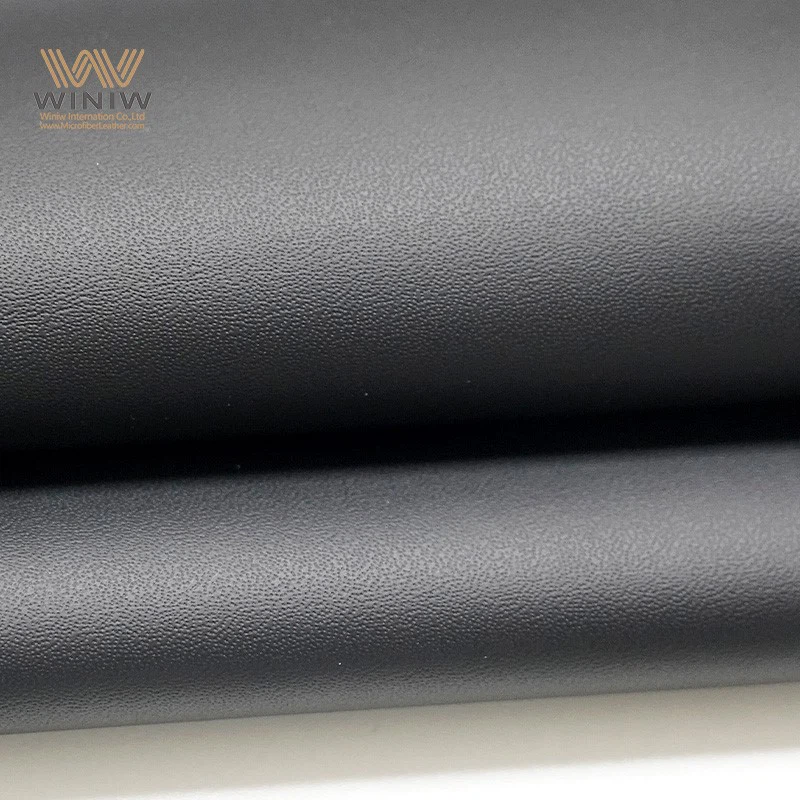
I work in environments where movement matters. Microfiber safety shoes allow me to bend, squat, and climb without restriction. The material adapts to my foot's shape and supports every step. I notice that leather shoes often feel stiff, especially when new. Breaking in leather takes time and effort. Microfiber shoes feel comfortable from the first wear. I do not struggle with rigid soles or tight uppers. My feet move naturally, which helps me stay productive and safe.
Microfiber safety shoes flex with my foot, reducing pressure points.
I experience less discomfort during tasks that require kneeling or stretching.
The lightweight build encourages me to stay active throughout my shift.
Tip: If your job involves frequent movement, microfiber shoes provide the flexibility you need for enhanced mobility.
I compare my experience with leather and microfiber shoes. Leather restricts my range of motion, especially during long shifts. Microfiber supports my natural gait and helps me avoid fatigue. I trust microfiber safety shoes to keep up with my demanding schedule.
Comfort for Long Hours
Long workdays test the comfort of any safety shoe. I spend hours on my feet, moving between workstations and handling heavy equipment. Microfiber safety shoes maintain their cushioning and support from morning to night. The material does not lose shape or compress under pressure. I feel consistent comfort, even after extended wear.
|
Feature |
Microfiber Safety Shoes |
Leather Safety Shoes |
|---|---|---|
|
Initial Comfort |
Excellent |
Moderate |
|
Break-in Period |
None |
Required |
|
Long-Term Support |
Consistent |
Decreases Over Time |
I value shoes that keep my feet comfortable during overtime shifts. Microfiber safety shoes offer a secure fit that prevents blisters and soreness. I do not need to adjust my laces or worry about slipping inside the shoe. The ergonomic design supports my arch and heel, reducing strain on my joints.
Note: I recommend microfiber safety shoes for anyone who needs reliable comfort during long hours at work.
I believe that flexibility and comfort set microfiber safety shoes apart from leather options. My feet stay healthy, and my performance improves. I choose microfiber for a better fit and a more productive workday.
Versatility in Safety Shoes
Styles and Applications
Suitable for Various Workplaces
I see microfiber safety shoes as the most adaptable footwear in my work wardrobe. I have worn them in construction sites, warehouses, and laboratories. Each environment brings unique challenges. Microfiber adapts to these demands with ease. I notice that manufacturers design these shoes in many styles. I can choose from athletic-inspired sneakers, classic boots, or slip-on loafers. This variety allows me to match my shoes to my workplace dress code and safety requirements.
I often recommend microfiber safety shoes to colleagues in different industries. Here is a quick overview of where I have seen them excel:
Construction: Durable soles and reinforced toes protect against heavy tools and debris.
Manufacturing: Chemical-resistant uppers shield feet from spills and splashes.
Healthcare: Lightweight, easy-to-clean designs support long shifts and hygiene standards.
Hospitality: Slip-resistant outsoles prevent accidents on wet kitchen floors.
Logistics: Breathable materials keep feet cool during long hours of movement.
Tip: I always check the safety rating and certification before choosing a style. This ensures the shoes meet the specific hazards of my job.
I appreciate how microfiber safety shoes blend function with style. I do not have to compromise on appearance to get the protection I need.
Industry Adoption
I have watched the popularity of microfiber safety shoes grow across many sectors. Companies now recognize the benefits of this material. I see more employers providing microfiber options for their teams. They value the durability, comfort, and easy maintenance that these shoes offer.
I have spoken with safety managers who switched from leather to microfiber. They report fewer complaints about discomfort and shoe failure. Workers appreciate the lighter weight and modern look. I notice that industry standards now include microfiber models in their approved footwear lists.
Here is a table showing the industries where I have seen the fastest adoption:
|
Industry |
Reason for Adoption |
|---|---|
|
Construction |
Durability, water resistance |
|
Healthcare |
Hygiene, easy cleaning |
|
Manufacturing |
Chemical resistance |
|
Hospitality |
Slip resistance, comfort |
|
Logistics |
Lightweight, breathability |
I believe that microfiber safety shoes will continue to gain ground. Their versatility makes them a smart choice for any workplace that values safety and performance.
I choose microfiber safety shoes for their unmatched durability, comfort, and easy maintenance. These shoes help me save money and support eco-friendly practices. I see clear advantages over traditional options. I recommend exploring microfiber safety shoes for your next purchase. You will notice the practical benefits in your daily work.


FAQ
What makes microfiber safety shoes better than leather for tough jobs?
I find microfiber safety shoes resist scuffs, water, and chemicals better than leather. They last longer in harsh conditions. I trust them for demanding work environments.
Can I clean microfiber safety shoes in a washing machine?
Yes, I wash my microfiber safety shoes in a gentle cycle. I always remove the insoles first. The shoes dry quickly and keep their shape.
Are microfiber safety shoes comfortable for long shifts?
I wear microfiber safety shoes for long hours. They feel lightweight and flexible. My feet stay comfortable and cool, even during overtime.
Do microfiber safety shoes help reduce foot odor?
Absolutely. I notice less odor because microfiber resists bacteria and mold. My shoes stay fresher compared to leather options.
How do microfiber safety shoes support sustainability?
I choose microfiber shoes because manufacturers use recycled materials and less water. This reduces environmental impact. I support brands that focus on eco-friendly production.
Are microfiber safety shoes affordable?
I save money with microfiber safety shoes. They cost less than leather and last longer. I also spend less on maintenance.
What industries use microfiber safety shoes?
I see microfiber safety shoes in construction, healthcare, manufacturing, hospitality, and logistics. Their versatility fits many workplace needs.
Do microfiber safety shoes require a break-in period?
No. I wear them comfortably right out of the box. Microfiber adapts to my feet without stiffness or discomfort.
You Might Also Like
-

PU Synthetic Leather Fabric Material Used For Gloves
-

3mm Thick Synthetic Leather For Equestrian Harness
-

Full Grain Synthetic TPU Microfiber Leather Ice Skates Fa...
-

High Quality Artificial PU Faux Soccer Ball Leather Fabric
-

Blue Microfiber Faux PU Running Shoes Leather Material
-

0.5mm Lightweight Making Packaging Material Full Grain Na...