


Microfiber Leather Couches: How To Avoid Costly Mistakes
Oct 16, 2025
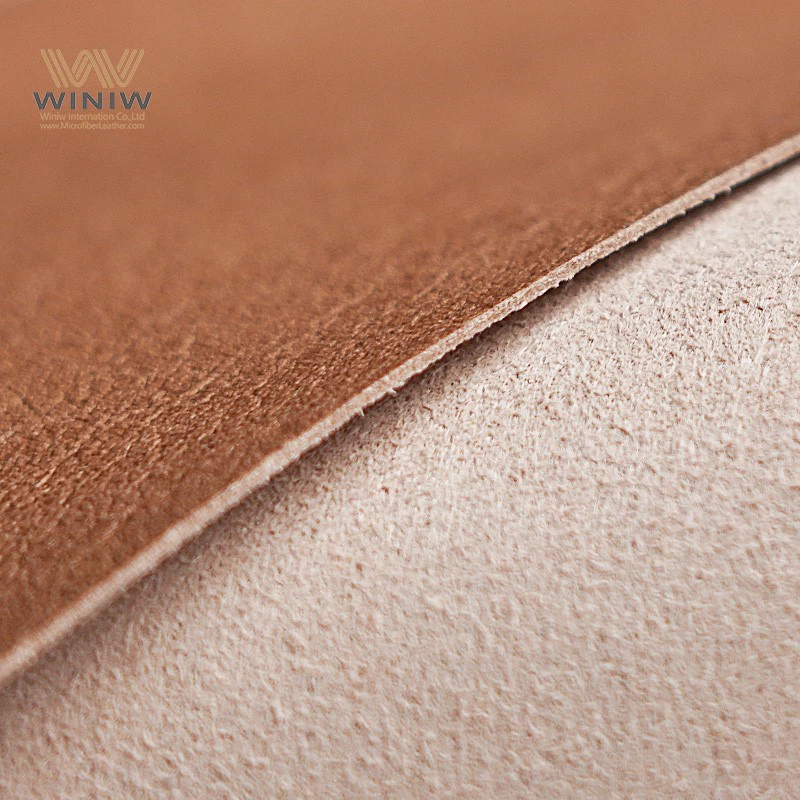

I always approach buying second-hand Microfiber Leather Couches with caution. I check every detail to avoid costly mistakes. I inspect for damage, test for odors, and ask about the couch's history. I verify warranties and assess comfort. I research the seller's reputation before making a decision.
Inspect for tears, stains, and odd smells
Ask about exposure to pets or smoke
Verify any remaining warranty
Tip: I follow a step-by-step guide to make sure I purchase with confidence.
Key Takeaways
Inspect every inch of the couch for tears, stains, and odors before buying.
Research the seller's reputation through reviews and ratings to ensure reliability.
Check for genuine microfiber leather by feeling the texture and examining the stitching.
Always ask the seller about the couch's history, including usage and repairs.
Compare prices across multiple platforms to find the best deal and avoid overpaying.
Use secure payment methods like digital transactions to protect your purchase.
Request detailed photos and, if possible, inspect the couch in person for hidden damage.
Maintain your couch regularly with proper cleaning and care to extend its life.
Microfiber Leather Couches: What to Check


Genuine or Fake?
Texture & Appearance
When I inspect microfiber leather couches, I always start by feeling the surface. Genuine microfiber leather has a natural, subtle texture. I avoid couches with a plastic-like smoothness or an overly shiny finish. The material should feel firm but flexible. I hold the couch for a moment to see if it warms up in my hand. If it feels cold or sticky, I suspect it might be a fake. I check the seams for even stitching and make sure there are no loose threads. Well-made lining and strong hardware, such as zippers or clasps, also signal quality.
Natural, subtle texture
Firm but flexible material
Even stitching
Strong hardware
Well-made lining
Tip: I always trust my senses. If the couch feels off, I walk away.
Labels & Manufacturer
I look for manufacturer labels inside or underneath the couch. These labels often provide information about the brand, materials, and care instructions. I research the manufacturer to confirm their reputation for producing quality microfiber leather couches. If the label is missing or looks tampered with, I ask the seller for proof of purchase or warranty documents.
Condition & Wear
Tears & Stains
I inspect every inch of the couch for tears and stains. I check the seat cushions, armrests, and backrest. Even small tears can grow over time. Stains from food, drinks, or ink may be difficult to remove. I ask the seller if pets or children used the couch. Pet hair, scratches, or lingering odors can affect the overall condition.
Discoloration
Discoloration signals age or exposure to sunlight. I compare different sections of the couch to spot faded areas. Uneven color may indicate poor care or cleaning with harsh chemicals. I avoid couches with large patches of discoloration.


Hidden Damage
Frame Issues
I test the frame by gently rocking the couch. A sturdy frame does not wobble or creak. I lift one side to check for hidden cracks or weak joints. If the couch feels unstable, I consider it a red flag.
Odors & Mold
I smell the couch closely. Musty or sour odors suggest mold or mildew. I check under the cushions and along seams for dark spots or fuzzy growth. Mold can damage the couch and pose health risks. I ask the seller if the couch was exposed to smoke or pets, as these odors are hard to remove.
|
Inspection Checklist |
What I Look For |
|---|---|
|
Texture |
Subtle, not plastic-like |
|
Stitching |
Even, no loose threads |
|
Labels |
Manufacturer info |
|
Tears/Stains |
None or minimal |
|
Discoloration |
Even color |
|
Frame |
Stable, no wobble |
|
Odors/Mold |
Fresh smell, no spots |
Note: I never rush the inspection process. Careful checking helps me avoid costly mistakes when buying secondhand microfiber leather couches.
Buying Secondhand Sofas: Seller Research
Seller Reputation
When I start buying secondhand sofas, I always research the seller's reputation. I look for reviews and ratings from previous buyers. Positive feedback gives me confidence in the seller's honesty and reliability. I check for any complaints about product quality or delivery issues. I also pay attention to how the seller responds to negative reviews. Quick and helpful replies show good customer support.
Reviews & Ratings
I read through customer reviews on the marketplace. High ratings and detailed comments about the couch's condition help me trust the seller. I avoid sellers with low scores or vague feedback. I also compare ratings across different platforms to get a complete picture.
Marketplace Safety
I choose marketplaces that offer secure payment options and buyer protection. I look for platforms with easy browsing and clear transaction policies. I prefer sites that use technology to verify listings and prevent scams. Marketplace safety matters because it protects my money and personal information.
Tip: I always check if the marketplace has a return policy or warranty for microfiber leather couches.
|
Criteria |
Description |
|---|---|
|
Product Range & Quality |
The variety and durability of furniture offered, including condition and brand authenticity. |
|
Pricing & Flexibility |
Competitive prices, discounts, and flexible payment options influence buyer decisions. |
|
Supply Chain Reliability |
Speed, consistency, and transparency in delivery and inventory management. |
|
Platform Usability |
Ease of browsing, filtering options, and transaction security on digital platforms. |
|
Customer Support & After-Sales |
Responsiveness, return policies, and warranty provisions. |
|
Environmental & Ethical Standards |
Commitment to sustainability and ethical sourcing practices. |
|
Market Presence & Reputation |
Brand recognition, customer reviews, and industry awards. |
|
Innovation & Technology Adoption |
Use of AI, AR, or other tech to enhance the shopping experience. |
Ask Questions
I never hesitate to ask the seller questions before buying. I want to know how the couch was used and why the owner is selling it. Honest answers help me judge the true condition of the sofa.
Usage History
I ask about the age of the couch and how often it was used. I want to know if it was in a pet-free or smoke-free home. I also ask if the couch has ever been repaired or cleaned professionally.
Reason for Selling
I ask the seller why they are selling the couch. Sometimes people upgrade their furniture, move to a new home, or simply need extra space. Clear reasons make me feel more comfortable about the purchase.
Photos & Inspection
I always request detailed photos before buying. Close-up shots of the cushions, seams, and frame help me spot any hidden damage. I look for clear images taken in good lighting.
Close-Ups
I ask for close-ups of the stitching, hardware, and any areas with wear. These photos reveal the true condition of microfiber leather couches. I avoid listings with blurry or limited pictures.
In-Person Visit
If possible, I arrange an in-person inspection. I sit on the couch, check for comfort, and look for any issues missed in the photos. If I feel unsure about the condition, I consider hiring a professional to assess the sofa.
Note: Careful seller research and thorough inspection help me avoid costly mistakes when buying secondhand sofas.


Price & Value
Compare Prices
Market Listings
When I start buying a secondhand couch, I always compare prices across different platforms. I check listings on Amazon, Wayfair, Overstock, and eBay. Each marketplace offers unique features that affect price and value. Amazon provides a wide variety and competitive pricing. Wayfair often includes free shipping and runs frequent sales. Overstock lists clearance items that sometimes offer deep discounts. eBay allows me to browse both new and used options from many sellers. I use the table below to organize my research and make sure I find the best deal.
|
Platform |
Key Features |
|---|---|
|
Amazon |
Extensive reviews, wide variety, competitive pricing. |
|
Wayfair |
Free shipping on some items; frequent sales. |
|
Overstock |
Often has clearance items available. |
|
eBay |
Offers both new and used sofas from various sellers. |
Tip: I always check multiple platforms before making a decision. This helps me avoid overpaying and spot deals that seem too good to be true.
Price Ranges
I look at price ranges for microfiber leather couches. Prices can vary based on age, brand, and condition. I notice that newer couches from well-known brands cost more. Older models or those with visible wear sell for less. I avoid listings with prices far below market value. These deals often hide problems or poor quality.
Depreciation & Value
Age & Condition
I consider how age and condition affect value. A couch that looks new and feels sturdy holds its value better. If the couch shows signs of heavy use, I factor in the cost to reupholster or repair it. I ask the seller about maintenance and cleaning routines. Well-maintained couches offer better quality and last longer.
Brand Impact
Brand reputation matters when I evaluate value. Premium brands use higher-quality materials and construction. These couches depreciate less over time. I research the brand before buying to make sure I invest in a product that will last. I avoid unknown brands with little information or poor reviews.
Warranties
Valid Guarantees
I always check for valid warranties or guarantees. Some sellers offer transferable warranties, which protect my purchase. I ask for documentation and confirm the warranty terms. If the couch still has coverage, I feel more confident about its quality.
Peace of Mind
A warranty gives me peace of mind. I know I can address issues if they arise after buying. I prefer couches with some form of guarantee, especially when buying secondhand. If no warranty exists, I weigh the risk before finalizing the purchase.
Note: I stay alert for deals that seem too good to be true. Low prices often signal hidden damage or poor quality. Careful price comparison and warranty checks help me avoid costly mistakes.

Inspect Before Buying
Comfort Test
Cushion Support
When I inspect microfiber leather couches, I always sit down and test the cushion support. I press my hands into the seat and feel for firmness. Good support means the couch will stay comfortable over time. If the cushions sink too much or feel lumpy, I know the couch may need to be reupholstered soon. I check each cushion individually. Sometimes, one cushion feels different from the others. That signals uneven wear or poor maintenance. I also lift the cushions to look underneath. I want to see clean surfaces and no hidden damage.
Frame Stability
I never skip checking the frame stability. I grab the armrests and gently shake the couch. A sturdy frame does not wobble or creak. I push down on the backrest and listen for any unusual sounds. If the frame feels loose, I consider it a major issue. I look underneath for signs of rust or broken wood. A solid frame means the couch will last longer and stay safe for daily use. I always recommend testing the frame before buying any secondhand furniture.
Red Flags
Smells & Stains
I trust my nose when inspecting a couch. I lean in and smell the cushions and seams. Musty odors or strong scents often mean mold or mildew. I check for stains on the microfiber surface. Food, drink, or ink stains can be hard to remove. I ask the seller about how to clean a couch if I notice any marks. Lingering smells from pets or smoke lower the overall condition and value. I avoid couches with odors that do not fade after airing out.
Wobbly Frame
A wobbly frame is a clear warning sign. I sit on different parts of the couch and shift my weight. If the couch rocks or feels unstable, I know the frame may be damaged. I inspect the legs and joints for cracks or missing screws. Sometimes, a couch looks fine but feels unsafe when used. I never buy a couch with a wobbly frame, even if the price seems low. Repairing or replacing a damaged frame often costs more than buying a new couch.
Tip: I always bring a checklist when inspecting microfiber leather couches. Careful testing helps me avoid costly mistakes and ensures I get a couch in good condition.
|
Inspection Step |
What I Do |
What It Reveals |
|---|---|---|
|
Sit and press cushions |
Test for firmness and support |
Cushion quality |
|
Shake armrests |
Check for wobble or creaks |
Frame stability |
|
Smell cushions |
Detect odors or mildew |
Cleanliness and history |
|
Inspect legs and joints |
Look for cracks or missing parts |
Structural integrity |
Finalizing the Purchase


Payment Safety
Cash vs. Digital
When I finalize a purchase, I always consider the safest payment method. Cash payments feel simple, but they offer little protection if something goes wrong. I prefer digital payments because they create a record of the transaction. Services like PayPal or Venmo allow me to track my payment and dispute charges if necessary. I avoid wire transfers or sending money through unfamiliar apps. I ask the seller which payment methods they accept before meeting. If I pay in cash, I count the money in front of the seller and request a receipt. Digital payments give me peace of mind, especially when buying a secondhand couch.
|
Payment Method |
Pros |
Cons |
|---|---|---|
|
Cash |
Immediate, simple |
No protection, no record |
|
Digital |
Traceable, secure |
May have fees |
Tip: I always use digital payment for expensive items. It helps me avoid scams and keeps my money safe.
Avoiding Scams
I stay alert for scams during the buying process. I never send money before seeing the couch in person. I avoid sellers who rush me or refuse to answer questions. If a deal seems too good to be true, I walk away. I check the seller's profile for reviews and confirm their identity. I meet in public places when possible. I bring a friend if I feel unsure. Scammers often use fake listings or ask for payment through risky channels. I trust my instincts and never ignore red flags.
Written Agreement
Receipt Details
I always ask for a written receipt when I buy a secondhand couch. The receipt should include the seller's name, contact information, the date of sale, and a description of the couch. I make sure the price and payment method appear clearly. If the couch comes with a warranty, I ask the seller to note it on the receipt. A detailed receipt protects me if I need to return the couch or prove ownership later.
Documentation
I keep all documents related to the purchase. I save photos of the couch, warranty papers, and any messages with the seller. If I plan to reupholster the couch, I keep records of the original condition. Good documentation helps me resolve disputes and track maintenance. I store digital copies in a safe place. I also keep notes on how to clean a couch, especially if the seller provides care instructions. Organized paperwork makes the buying process smoother and gives me confidence in my decision.
Note: Careful payment and thorough documentation help me avoid costly mistakes when buying secondhand furniture. I always protect myself and my investment.
How to Clean a Couch & Aftercare
Couch Cleaning Basics
Cleaning Products
I always select cleaning products designed for microfiber leather. I avoid harsh chemicals because they can damage the surface. I use a soft cloth or sponge with a mild soap solution. I test the cleaner on a hidden spot before applying it to the entire couch. I keep a vacuum with a brush attachment nearby to remove dust and crumbs from the microfiber fabric. I never use bleach or ammonia-based products. These can cause discoloration and weaken the material.
|
Product Type |
Safe for Microfiber Leather |
Usage Tips |
|---|---|---|
|
Mild Soap Solution |
Yes |
Test on small area first |
|
Microfiber Cloth |
Yes |
Wipe gently |
|
Leather Conditioner |
Yes |
Use sparingly |
|
Bleach/Ammonia |
No |
Avoid completely |
Tip: I always read the label before using any cleaner on my couch.
Stain Removal
When I notice a stain, I act quickly. I blot the area with a clean, dry cloth. I avoid rubbing because it can spread the stain. For stubborn spots, I use a mixture of water and mild soap. I apply the solution with a soft cloth and gently dab the stain. I rinse with a damp cloth and let the couch air dry. If the stain persists, I consider professional couch cleaning. I never use colored towels because they can transfer dye onto the microfiber.
Maintenance Tips
Regular Care
I clean my microfiber leather couch regularly to keep it looking new. I vacuum the surface weekly to remove dust and debris. I wipe down the couch with a damp cloth every few weeks. I schedule professional cleaning every 12-18 months, depending on how often I use the couch. This routine helps me maintain the quality and longevity of my furniture.
Vacuum weekly
Wipe with damp cloth monthly
Professional cleaning every 12-18 months
Odor Prevention
I prevent odors by keeping my couch dry and clean. I avoid eating or drinking on the couch to reduce spills. I open windows to let fresh air circulate in the room. I use baking soda to absorb any lingering smells. I sprinkle it on the surface, let it sit for 15 minutes, and vacuum it off. If I buy a secondhand couch, I check for odors before bringing it home. I use odor-neutralizing sprays only if they are safe for microfiber leather.
Note: Consistent care keeps my couch fresh and inviting.
Moving Safely
Protecting During Transit
When I move my couch, I wrap it in blankets or bubble wrap. I secure the corners to prevent scratches. I lift the couch carefully to avoid damaging the frame. I keep the couch upright and avoid dragging it across the floor. I check doorways and hallways for enough space before moving.
Professional Movers
I hire professional movers for large or heavy couches. They use proper equipment and techniques to protect my furniture. I ask them about their experience with microfiber leather couches. I supervise the move to ensure my couch arrives in perfect condition.
Tip: Careful moving prevents costly repairs and keeps my couch looking its best.
I always follow these steps when learning how to clean a couch and maintain it after buying. I protect my investment and enjoy a comfortable, clean microfiber couch for years.
I always follow a checklist when buying a secondhand couch. I inspect every detail, research the seller, and compare prices. I choose secure payment methods and keep all documentation. I clean and maintain my couch to extend its life. Staying alert for red flags helps me avoid costly mistakes.
Careful preparation makes the process smooth and protects my investment.


FAQ
How do I check the quality of a secondhand couch?
I inspect the seams, cushions, and frame. I look for sturdy construction and even stitching. I sit on the couch to test comfort. I trust my hands and eyes to judge the quality before buying.
What signs show poor quality in secondhand upholstered pieces?
I notice sagging cushions, uneven color, and loose threads. I check for wobbly frames and strange odors. These signs tell me the quality is low and the couch may not last.
Can I clean secondhand upholstery myself?
I use a vacuum with a brush attachment. I wipe the couch with a mild soap solution and a soft cloth. I avoid harsh chemicals. I always test cleaners on a hidden spot before cleaning the entire couch.
Why should I research quality furniture brands before buying?
I find that quality furniture brands use better materials and construction. These couches hold their value longer. I trust brands with strong reputations when buying secondhand sofas or chairs.
What questions do I ask when buying secondhand sofas?
I ask about the age, usage history, and reason for selling. I request details about repairs and cleaning routines. I always ask for close-up photos of the couch and any secondhand upholstered pieces.
How do I avoid scams when buying a couch?
I meet sellers in public places. I use digital payment methods for security. I never send money before seeing the couch. I check reviews and ratings before buying any secondhand upholstered pieces.
Is it safe to buy secondhand chairs along with a couch?
I inspect both for quality and comfort. I check for matching styles and colors. I ask about the history of each piece. I clean secondhand upholstery before bringing it home.
What is the best way to maintain the quality of my couch?
I vacuum weekly and wipe the surface monthly. I avoid eating on the couch. I schedule professional cleaning every year. I keep the couch dry and protect it during moves to maintain its quality.
Tip: I always follow a checklist to ensure I buy quality secondhand upholstered pieces.
|
Step |
What I Do |
Why It Matters |
|---|---|---|
|
Inspect seams |
Check for even stitching |
Shows quality |
|
Test cushions |
Sit and press for support |
Comfort and durability |
|
Smell upholstery |
Detect odors |
Reveals hidden issues |
|
Research brands |
Look for reputation |
Ensures quality |
You Might Also Like
-

PU Synthetic Carbonium Leather For Football
-

Anti-Mildew Bio-Based PU Leather For Cars
-

Good Peel Strength Faux Suede Leather Material For Orthot...
-

Faux Microfiber Ultra Suede Leather Fabric For Gloves Making
-

Premium Vegan Suede Nubuck Leather Ultrasuede Faux Gloves...
-
Anti-mildew Micro Fiber Microsuede Nubuck Automotive Leather