


How Microfiber Leather Material Is Made Step By Step
Oct 14, 2025

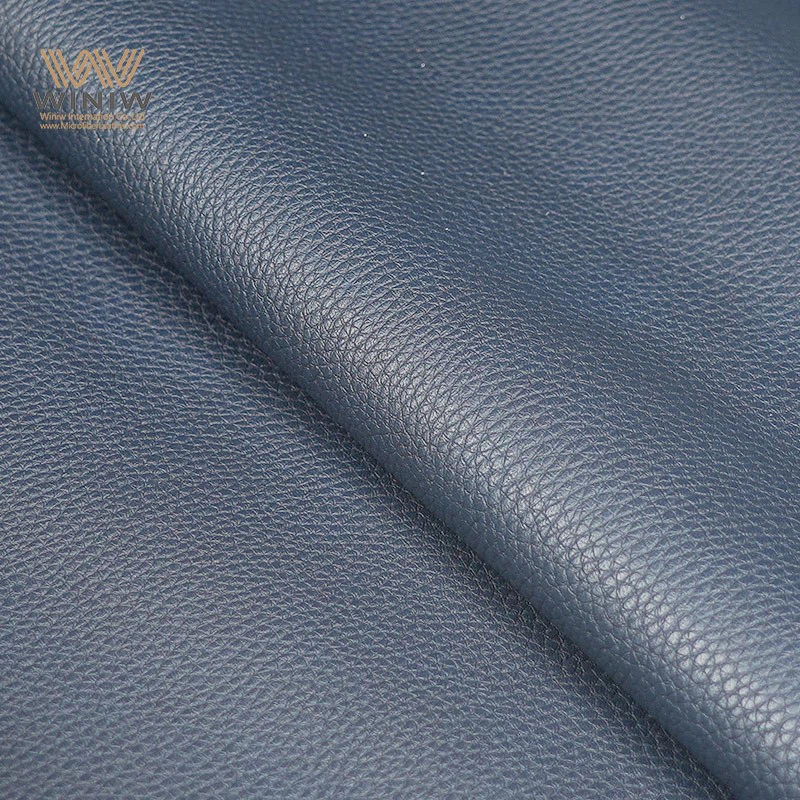
When I look at the process of making Microfiber Leather Material, I see a blend of science and innovation. Manufacturers spin synthetic fibers into fine yarns and weave them into a dense base. They coat this fabric with polyurethane or PVC, creating a surface that feels like real leather. Embossing adds realistic patterns, while finishing treatments boost durability and stain resistance. Each stage uses advanced techniques that give the final product its strength, flexibility, and authentic appearance.
Key Takeaways
Microfiber leather combines synthetic fibers and polymers to mimic genuine leather while offering better durability and stain resistance.
The manufacturing process involves blending fibers, applying polymer coatings, and using advanced techniques like embossing to create a premium look and feel.
Microfiber leather is lightweight, strong, and resistant to abrasion, making it a popular choice in automotive, fashion, and furniture industries.
Choosing high-quality raw materials, such as polyester and nylon, ensures the final product meets high standards for strength and appearance.
Advanced technologies, including AI-driven processes, enhance manufacturing efficiency and product quality, reducing waste.
Regular quality control checks throughout the production process help maintain consistency and prevent defects in the final product.
Microfiber leather is eco-friendly as it does not use animal products and often has a lower environmental impact compared to traditional leather.
Customization options, such as colors and textures, make microfiber leather versatile for various applications and consumer preferences.
Microfiber Leather Material Basics
What Is Microfiber Leather?
When I examine microfiber leather, I see a material that combines synthetic fibers with advanced polymers. Manufacturers design it to mimic the look and feel of genuine leather. The process starts with weaving ultra-fine microfibers into a dense fabric. Then, they coat the fabric with polyurethane or PVC. This creates a surface that feels soft and flexible. I notice that microfiber leather resists water and stains better than natural leather. The microfiber leather market values these qualities because they make products more durable and easier to maintain.
Key Properties
I find that the main properties of microfiber leather set it apart in the microfiber leather market. First, it offers high tensile strength, which means it does not tear easily. Second, it remains lightweight, so products made from it feel comfortable to use. Third, it resists abrasion, which helps items last longer. Fourth, it maintains color and texture even after repeated use. Fifth, it does not absorb moisture, so it stays clean and fresh. I see that the microfiber leather market prefers materials that combine durability with a premium appearance. Many manufacturers choose microfiber leather for its eco-friendly qualities, since it does not use animal products. I also notice that it can be customized with different colors and patterns, which increases its appeal in the microfiber leather market.
Tip: If you want a material that looks like leather but lasts longer, microfiber leather is a smart choice. The microfiber leather market continues to grow because of these advantages.
Market Overview
I track the microfiber leather market closely. The current market size stands at USD 3.8 billion in 2024. I expect it to reach USD 5.6 billion by 2033. The compound annual growth rate is estimated at 4.8%.
The microfiber leather market shows strong growth because manufacturers and consumers want better alternatives to traditional leather.
The microfiber leather market expands as more industries adopt this material for automotive, fashion, and furniture products.
The microfiber leather market benefits from new technologies that improve quality and reduce costs.
North America and Europe lead the microfiber leather market in both production and consumption. These regions use advanced technology and have strong manufacturing bases. I see Asia-Pacific as the fastest-growing region in the microfiber leather market. Countries like China and India drive this growth with rapid industrialization and rising consumer spending. The microfiber leather market responds to changing consumer preferences and environmental concerns. I believe the microfiber leather market will continue to evolve as new applications emerge and more companies invest in research and development.
Raw Materials


Microfiber Fabric
When I look at the foundation of microfiber leather, I see that the microfiber fabric plays a crucial role. Manufacturers use ultra-fine synthetic fibers to create a dense and strong base. I often find two types of microfibers used most commonly in production:
Polyester
Nylon
Polyester gives the fabric strength and durability. Nylon adds flexibility and a soft touch. I notice that blending these fibers allows manufacturers to control the texture and performance of the final product. The tight weave of the microfiber fabric helps prevent tearing and stretching. I always check the quality of the base fabric because it determines how well the leather will perform in real-world use.
Note: The choice of microfiber fabric affects not only the feel but also the longevity of the finished leather. High-quality fibers lead to a more premium product.
Polymers and Coatings
After creating the microfiber base, I see that manufacturers apply a polymer coating. This layer gives the material its leather-like appearance and feel. Polyurethane (PU) is the most popular choice because it offers a soft, flexible surface. Some producers use polyvinyl chloride (PVC) for a different texture or cost advantage.
I pay close attention to the environmental impact of these coatings. PVC leather production involves harmful chemicals that can damage the environment. The process releases toxins, polluting water, air, and soil. PVC leather also does not biodegrade, which leads to long-term waste in landfills. Polyurethane, while not perfect, usually has a lower environmental footprint compared to PVC.
I believe that the right polymer and coating choice can improve the product's durability, resistance to stains, and overall appearance. Manufacturers who select safer and more sustainable coatings help protect the environment and create better products.
Additives
I see that additives play a supporting role in microfiber leather production. Manufacturers add plasticizers to increase flexibility and softness. They use colorants to achieve a wide range of shades and patterns. Stabilizers help the material resist UV light and heat, which keeps the leather looking new for longer.
The selection of additives matters for both performance and safety. Some additives can improve resistance to fading, cracking, or microbial growth. Others may affect the recyclability or environmental impact of the finished product. I always recommend choosing additives that enhance quality without introducing harmful substances.
Tip: Careful selection of raw materials-including microfibers, polymers, and additives-ensures that microfiber leather meets high standards for strength, appearance, and sustainability. The right choices at this stage set the foundation for a superior final product.
Manufacturing Process Steps

Microfiber Base Creation
Fiber Blending
I start the manufacturing process by blending different types of microfiber. I usually select polyester and nylon because they offer the best balance of strength and softness. I measure the ratio of each fiber carefully. This step determines how the microfiber leather material will feel and perform. I use advanced machines to mix the fibers evenly. The goal is to create a uniform blend that will form the foundation of the microfiber leather.
Tip: Consistent fiber blending leads to a smoother texture and better durability in the final microfiber leather.
Web Formation
After blending, I move to web formation. I lay the mixed microfiber onto a conveyor belt. I use air or water jets to spread the fibers into a thin, even layer. This web acts as the base structure for the microfiber leather material. I check the thickness and density at this stage. If the web is too thin, the final product may tear easily. If it is too thick, it may feel stiff. I adjust the process to get the right balance.
Needle Punching
Next, I use needle punching to bond the microfiber web. I run the web through a machine with thousands of needles. These needles push and pull the fibers together. This step creates a strong, flexible base for the microfiber leather. I monitor the needle punching closely. If the process is too aggressive, the material can lose softness. If it is too gentle, the base may not hold together well. I rely on precise controls to get the best results.
Polymer Coating
Application Methods
I apply a polymer coating to the microfiber base. I usually choose polyurethane for its soft feel and durability. Sometimes I use PVC for specific applications. I use several methods to coat the base:
Roller coating
Spray coating
Transfer coating
I select the method based on the desired finish and production scale. Roller coating works well for large batches. Spray coating allows for more control over thickness. Transfer coating helps achieve special effects. I make sure the coating covers the microfiber evenly. This step gives the microfiber leather material its leather-like surface.
Achieving Leather Texture
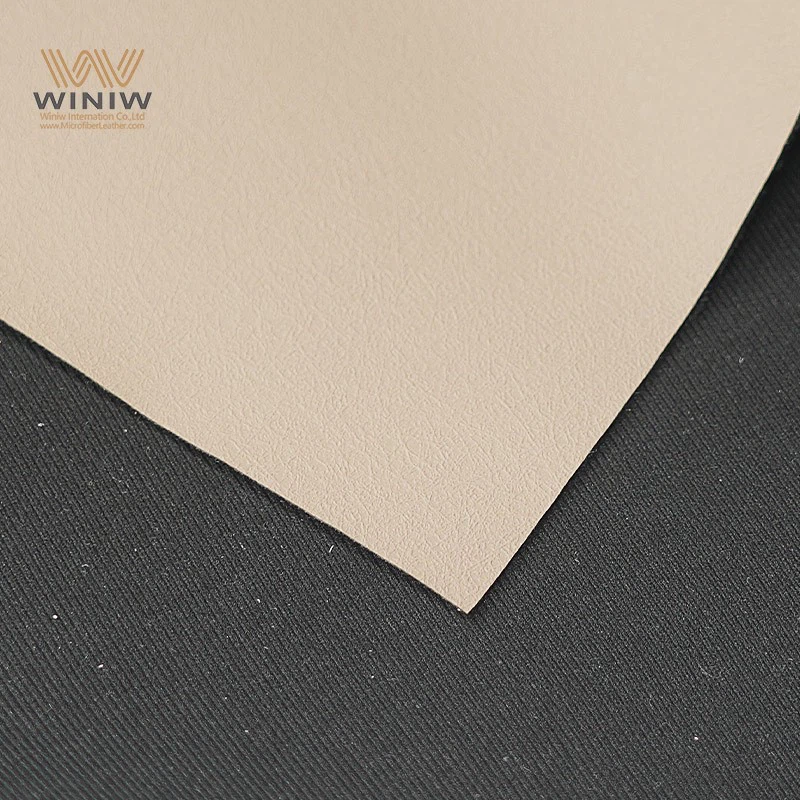
To mimic real leather, I add texture during the coating process. I use embossing rollers or plates with patterns. I press these onto the coated microfiber while it is still soft. This creates the grain and texture found in genuine leather. I can choose from many patterns, such as smooth, pebbled, or crocodile. I adjust the pressure and temperature to get the right look and feel. The manufacturing process allows me to customize the appearance of the microfiber leather for different markets.
Note: Texture is important for both aesthetics and grip. A well-textured microfiber leather material feels premium and looks authentic.
Advanced Techniques
AI-Driven Processes
I use AI-driven processes to improve the manufacturing of microfiber leather. I install sensors and cameras along the production line. These devices collect data on fiber distribution, coating thickness, and texture quality. AI analyzes this data in real time. It adjusts machine settings automatically to maintain consistency. I find that AI reduces waste and increases efficiency. The manufacturing process becomes more reliable and flexible.
|
AI Benefits in Microfiber Leather Manufacturing |
|---|
|
Real-time adjustments |
|
Reduced defects |
|
Improved resource management |
|
Faster production cycles |
Quality Control
I perform quality control at every stage of the manufacturing process. I inspect the microfiber base for uniformity. I check the polymer coating for even coverage and proper adhesion. I test the finished microfiber leather material for strength, flexibility, and appearance. I use automated systems and manual checks. If I find defects, I adjust the process or remove faulty products. Quality control ensures that every batch of microfiber leather meets high standards.
Alert: Skipping quality control can lead to poor performance and customer complaints. I always prioritize thorough inspections.
I believe that combining advanced techniques with strict quality control leads to superior microfiber leather material. The manufacturing process continues to evolve as new technologies emerge. I stay updated with the latest innovations to produce the best microfiber leather for various applications.
Embossing and Finishing
Embossing Patterns
When I reach the embossing stage, I focus on giving microfiber leather its final look. I select embossing plates or rollers with specific patterns. I press these tools onto the surface while the material remains soft and flexible. This step creates the grain that makes microfiber leather look like real animal hide. I can choose from classic leather grains, geometric shapes, or even custom logos. The pattern I select depends on the product's purpose and the customer's preference.
I notice that the embossing process does more than add beauty. It also improves grip and hides minor imperfections in the microfiber base. I always check the pressure and temperature settings. If I use too much force, I risk damaging the microfiber. If I use too little, the pattern will not last. I rely on my experience to find the right balance.
Tip: Embossing lets me create unique designs that set microfiber leather apart from other materials.
Surface Treatments
After embossing, I move to surface treatments. I apply these treatments to enhance the feel and performance of microfiber leather. I often use softening agents to make the surface smoother. Sometimes, I add anti-bacterial solutions to keep the material fresh. I also use color fixatives to lock in vibrant shades.
I test each treatment on a small sample before applying it to the full batch. This step helps me avoid unwanted reactions between the microfiber and the chemicals. I want the surface to stay soft and flexible, even after repeated use. I also check that the treatments do not affect the breathability of the microfiber leather.
Here is a quick overview of common surface treatments:
|
Treatment Type |
Purpose |
|---|---|
|
Softening agents |
Improve touch and flexibility |
|
Anti-bacterial |
Prevent odor and mold |
|
Color fixatives |
Maintain color vibrancy |
Protective Coatings
I finish the process by adding protective coatings. These coatings shield microfiber leather from stains, moisture, and UV rays. I usually apply a thin layer of polyurethane or a water-based solution. This layer acts as a barrier without changing the look or feel of the microfiber.
I always make sure the coating spreads evenly. If I miss a spot, the microfiber leather could absorb water or get stained. I test the finished product by dropping water on the surface. If the water beads up, I know the coating works. I also expose samples to sunlight to check for fading.
Note: Protective coatings help microfiber leather last longer and stay beautiful, even with daily use.
I believe that careful embossing, thoughtful surface treatments, and strong protective coatings turn microfiber into a premium material. These steps give microfiber leather its signature look, feel, and durability.


Final Inspection and Packaging
Product Assessment
I always begin the final inspection by checking every piece of microfiber leather for quality. I look for uniform color, consistent texture, and smooth surfaces. I run my hands over the material to feel for any rough spots or irregularities. I use both visual checks and touch tests. I also measure the thickness with precision tools. If I find any defects, I set those pieces aside for further review.
I rely on a checklist to guide my assessment:
Surface appearance
Texture consistency
Thickness measurement
Color uniformity
Strength and flexibility
I record the results for each batch. I believe that careful product assessment helps me deliver reliable and premium microfiber leather to my customers.
Tip: Consistent inspection at this stage prevents problems later in the supply chain.
Cutting and Sizing
After inspection, I move to cutting and sizing. I use automated cutting machines for accuracy. I program the machines with exact dimensions based on customer requirements. I watch the process closely to ensure clean edges and precise shapes. I often cut the microfiber leather into sheets, rolls, or custom patterns.
I follow these steps for cutting and sizing:
Select the cutting template.
Set the machine parameters.
Align the microfiber leather on the cutting table.
Start the cutting process.
Inspect the cut pieces for accuracy.
I sometimes use manual cutting for small batches or special orders. I check each piece to confirm it matches the required size. I know that accurate cutting reduces waste and improves product quality.
|
Cutting Method |
Use Case |
Precision Level |
|---|---|---|
|
Automated |
Large batches |
High |
|
Manual |
Custom orders |
Moderate |
Packaging
I finish the process by packaging the microfiber leather. I choose packaging materials that protect the product from moisture, dust, and damage. I wrap each piece in protective film or place it in sealed bags. I label every package with product details, batch number, and inspection date.
I organize the packages for easy transport and storage. I stack rolls or sheets on pallets and secure them with straps. I sometimes add silica gel packets to absorb moisture. I always check that the packaging is sturdy and clean.
Note: Good packaging keeps microfiber leather in top condition until it reaches the customer.
I believe that final inspection and careful packaging complete the manufacturing process. These steps ensure that microfiber leather arrives in perfect shape, ready for use in automotive, fashion, or furniture applications.
Microfiber Leather Market Applications
Automotive
I see the automotive industry as one of the largest users of microfiber leather today. Many car makers now choose microfiber leather for seats, dashboards, and door panels. I notice that this shift comes from a growing focus on environmental sustainability. Automakers want to reduce their use of animal-based materials and avoid the harsh chemicals found in traditional synthetic leathers. Microfiber leather offers a solution that meets both goals. It feels soft and comfortable, which improves the driving experience. I find that microfiber also resists stains and fading, so car interiors stay looking new for longer. The lightweight nature of microfiber leather helps reduce the overall weight of vehicles, which can improve fuel efficiency. I believe that as more people care about eco-friendly products, the demand for microfiber leather in cars will keep rising.
Note: Microfiber leather's durability and easy maintenance make it ideal for busy families and frequent drivers.
Fashion
I see microfiber leather making a big impact in the fashion world. Designers use it for shoes, handbags, wallets, and belts. I often recommend microfiber leather to brands that want to offer stylish products at a lower cost. Here are some reasons why fashion brands choose microfiber leather:
Microfiber leather, especially solvent-based PU, is popular in the fashion industry for its affordability and versatility.
It effectively mimics genuine leather, allowing for intricate designs and embossing.
Major fashion brands are adopting this material, particularly in fast fashion, due to its cost efficiency and quick turnaround.
A leading handbag brand reported a 20% reduction in material costs after switching to solvent-based PU.
I notice that microfiber leather holds color well and can be finished in many textures. This flexibility lets designers create bold looks that appeal to a wide range of customers. I also see that microfiber leather is lighter than real leather, so it makes comfortable shoes and bags. Many brands now highlight their use of microfiber leather as a selling point for eco-conscious shoppers.
Furniture
I often see microfiber leather used in sofas, chairs, and office furniture. I recommend it for homes and businesses because it combines comfort with practicality. Microfiber leather resists spills and stains, which makes cleaning easy. I find that it stands up well to daily use, even in busy households or public spaces. The soft touch and realistic grain patterns give furniture a premium look without the high cost of genuine leather. I also notice that microfiber leather comes in many colors and finishes, so it fits any décor style. Many furniture makers now prefer microfiber because it lasts longer and stays attractive over time.
Tip: If you want furniture that looks great and is easy to care for, microfiber leather is a smart choice.
I believe that the wide range of applications for microfiber leather shows its value in today's market. As more industries look for sustainable and high-performance materials, I expect the popularity of microfiber leather to keep growing.
I see microfiber leather as a result of careful steps and smart technology. I blend fibers, coat them, and finish with advanced treatments. Recent innovations include:
AI-driven material development for eco-friendly fibers
Automated manufacturing for less waste
Smart customization for unique products
These advances make microfiber leather strong, beautiful, and sustainable. I notice its growing use in cars, fashion, and furniture. I appreciate the creativity and science behind every piece.

FAQ
What makes microfiber leather different from genuine leather?
I see microfiber leather as a synthetic material. Manufacturers use fine fibers and polymers. The result feels like real leather but resists water and stains better. Microfiber leather does not use animal products.
How do I clean microfiber leather products?
I use a soft cloth and mild soap. I wipe the surface gently. I avoid harsh chemicals. Microfiber leather does not absorb moisture, so cleaning is easy. I let it air dry.
Is microfiber leather eco-friendly?
I believe microfiber leather is more eco-friendly than traditional leather. Manufacturers avoid animal products and use less water. Some coatings, like polyurethane, have a lower environmental impact than PVC.
Can microfiber leather be customized?
I often see manufacturers offer many colors, textures, and patterns. I can request embossing or special finishes. Microfiber leather adapts to different styles and uses.
Does microfiber leather last as long as real leather?
I find that microfiber leather resists wear, fading, and stains. It keeps its shape and color over time. With proper care, it lasts as long as or longer than genuine leather.
What industries use microfiber leather the most?
I notice that automotive, fashion, and furniture industries use microfiber leather widely. Car makers, designers, and furniture brands prefer it for durability, easy care, and style.
Tip: Microfiber leather suits many products because it combines strength, beauty, and sustainability.
You Might Also Like
-
Microfiber Leather Pu Shoe Leather For Casual Shoes Leather
-

1.6mm Water Resistant Micro Fiber Vegan Leather Auto Mate...
-
Customized Faux Micro Fiber Chamois Leather Imitation Car...
-
0.4mm Not Easy To Deform PVC Vinyl Faux Leather For Penci...
-

Car Seats Leather Upholstery Fabric
-
Women's Dance Shoes With PU Leather Soles