


What Makes Automotive Leather Maintenance Different
Sep 03, 2025
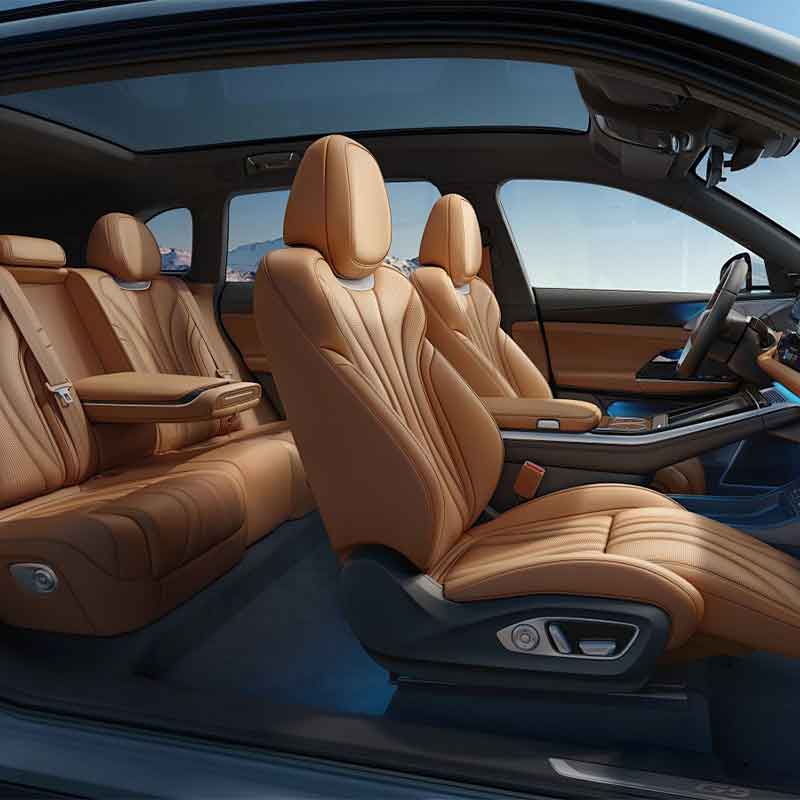
Automotive leather faces unique challenges in daily use. Drivers and passengers rely on comfort, durability, and style for their car interiors. Leather maintenance demands careful attention to material type and finish. Brands such as Faux Leathers deliver innovative solutions for both genuine and synthetic options. Selecting the right products helps preserve appearance and performance.
What Makes Automotive Leather Maintenance Different
Automotive leather requires special care due to exposure to sunlight, temperature changes, and daily wear.
Regular cleaning and conditioning extend the life of leather seats and maintain their luxurious appearance.
Choose pH-balanced, leather-safe cleaners to avoid damaging the material during maintenance.
Faux Leathers offers durable synthetic options that are easy to clean and maintain, making them ideal for busy lifestyles.
Condition genuine leather every three to six months to keep it supple and prevent cracking.
Use sunshades and park in shaded areas to protect leather from UV damage and fading.
Customization options for car interiors allow owners to express their personal style while ensuring durability.
Promptly clean spills to prevent stains and maintain the integrity of the leather material.
Automotive Leather Engineering
Material Processing
Durability Standards
Automotive leather must withstand a range of demanding conditions. Manufacturers engineer these materials to resist temperature changes, sunlight, and daily wear. They follow strict OEM standards to ensure that the leather maintains both its appearance and function over time. These standards require the material to last for years, often outliving the vehicle itself. Engineers test for resistance to fading, cracking, and abrasion. They also evaluate how the leather responds to cleaning agents and environmental stress. This rigorous approach guarantees that automotive leather remains reliable and attractive throughout its service life.
Comfort and Aesthetics
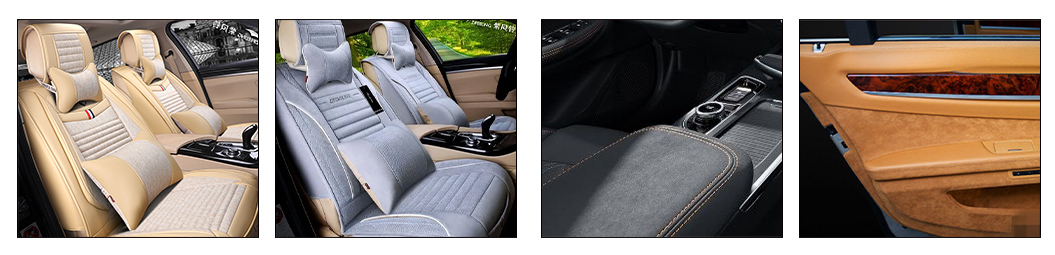
Comfort and visual appeal play a crucial role in automotive leather engineering. Designers select materials that feel soft and supple to the touch. They balance this with the need for support and durability. The surface finish must look luxurious while resisting stains and discoloration. Manufacturers offer a variety of textures and colors to match different interior styles. Stitching patterns and grain embossing add to the sense of quality. By focusing on both comfort and aesthetics, automotive leather enhances the driving experience and elevates the overall look of the vehicle interior.
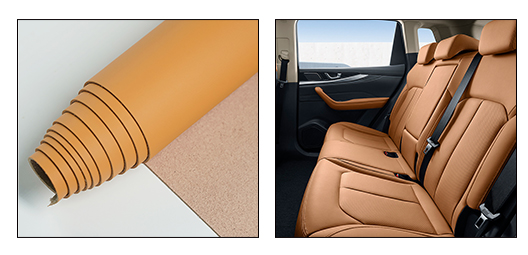
Faux Leathers Brand Overview
Innovation in Synthetic Materials
Faux Leathers stands at the forefront of synthetic material innovation for automotive interiors. The brand's approach brings several advantages:
Cost Efficiency: Synthetic leather offers a more affordable alternative to traditional leather, helping manufacturers control production costs.
Durability: The material resists fading, staining, and cracking, which ensures long-lasting performance in car interiors.
Maintenance: Its easy-to-clean surface reduces the effort required for upkeep, making it user-friendly.
Environmental Impact: Production methods use fewer resources and generate less waste, supporting sustainability goals.
Design Flexibility: Faux Leathers provides a wide selection of colors, patterns, and finishes, enabling creative and personalized interior designs.
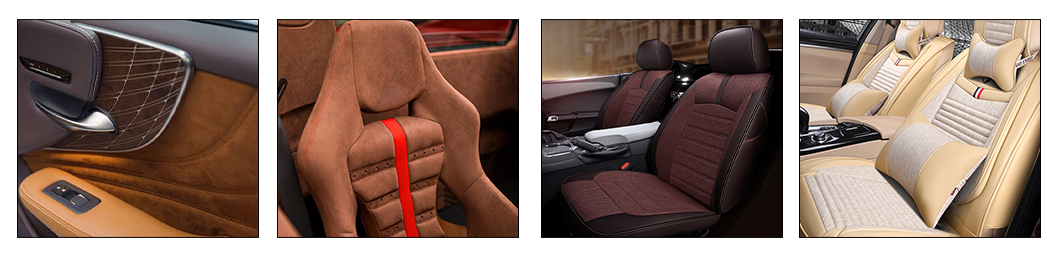
Tip: Choosing innovative synthetic materials like those from Faux Leathers allows car owners to enjoy the look and feel of luxury leather with added benefits of durability and easy maintenance.
Faux Leathers continues to push boundaries in the automotive industry by combining advanced engineering with a commitment to sustainability and design excellence.
Types of Automotive Leather
Leather Seats and Alternatives
Genuine vs. Artificial Leather
Automotive interiors feature a range of leather types, each with unique characteristics and properties of leather. Full grain leather represents the highest quality, retaining the natural grain and offering superior durability. Top grain leather undergoes light sanding to remove imperfections, resulting in a smoother finish while maintaining strength. Genuine leather, often used in car seats, refers to any real leather product, though it may not match the quality of full or top grain varieties. Manufacturers often select genuine leather for its balance of cost and performance.
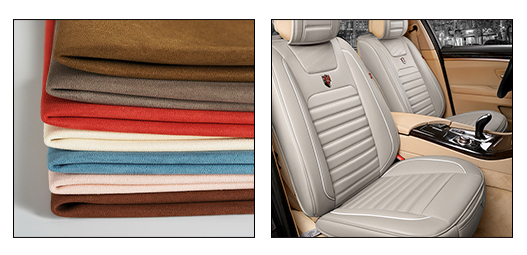
Artificial leather, also known as synthetic or vegan leather, provides an alternative to animal-based materials. Vinyl and polyurethane (PU) leathers fall into this category. These materials mimic the look and feel of genuine leather but use synthetic components. Wiki artificial leather, a standout product from Faux Leathers, exemplifies the advancements in this field. It offers a leather-like appearance and texture while addressing ethical and environmental concerns.
|
Type |
Source |
Durability |
Maintenance |
Typical Use |
|---|---|---|---|---|
|
Full Grain Leather |
Animal Hide |
High |
Moderate |
Luxury Vehicles |
|
Top Grain Leather |
Animal Hide |
High |
Moderate |
Premium Interiors |
|
Genuine Leather |
Animal Hide |
Medium |
Moderate |
Standard Vehicles |
|
Vinyl |
Synthetic |
Medium |
Low |
Entry-Level Models |
|
Wiki Artificial Leather |
Synthetic |
High |
Low |
Modern Interiors |
Wiki Artificial Leather Features
Wiki artificial leather stands out for its versatility and ease of care. Faux Leathers engineers this material to resist cracking and fading, even with frequent use. Car owners appreciate the low-maintenance nature of wiki artificial leather, as it requires less upkeep than traditional options. Unlike genuine leather, which may need regular conditioning, wiki artificial leather maintains its appearance with simple cleaning. Over time, this synthetic material continues to perform well, making it a practical choice for busy drivers and families.
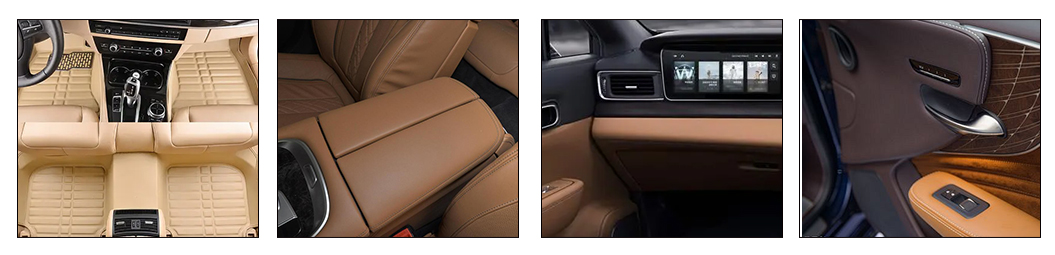
Note: Wiki artificial leather from Faux Leathers combines durability, affordability, and ethical appeal, making it a preferred option for automotive interiors.
Leather Finishes
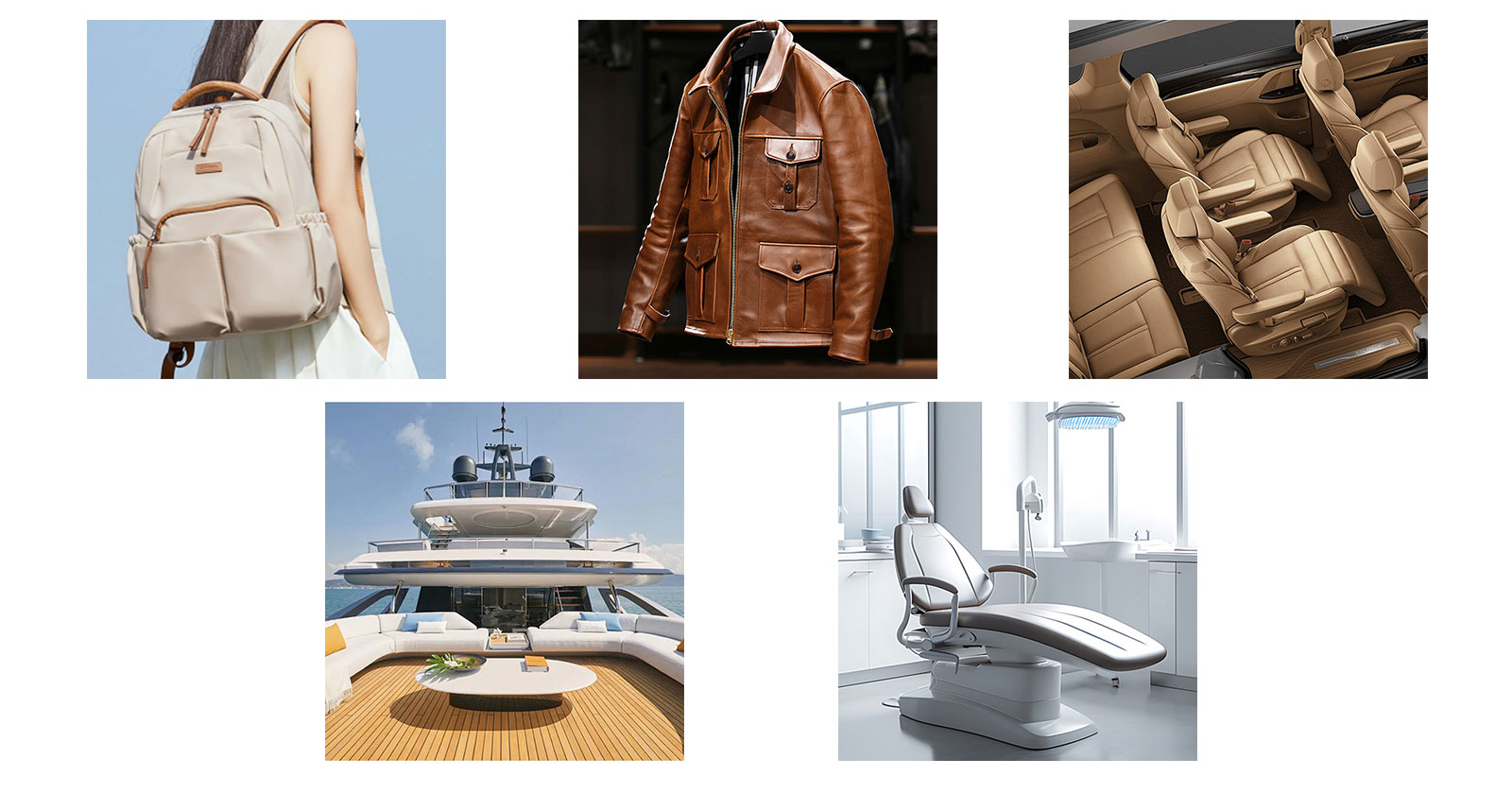
Aniline, Nubuck, Pigmented
Leather finishes influence both the look and performance of car seats. Aniline leather features a transparent dye, highlighting the natural grain and offering a soft, luxurious feel. However, it remains more susceptible to stains and fading. Nubuck leather, created by sanding the surface, delivers a velvety texture but requires careful maintenance. Pigmented leather uses a protective coating, increasing resistance to wear and making it suitable for high-traffic environments.
Genuine leather with a pigmented finish often appears in family vehicles due to its resilience. In contrast, wiki artificial leather can replicate these finishes, providing similar aesthetics with enhanced practicality. Faux Leathers offers a range of textures and colors, allowing car owners to customize interiors without sacrificing durability or ease of care.
Leather Maintenance Guide
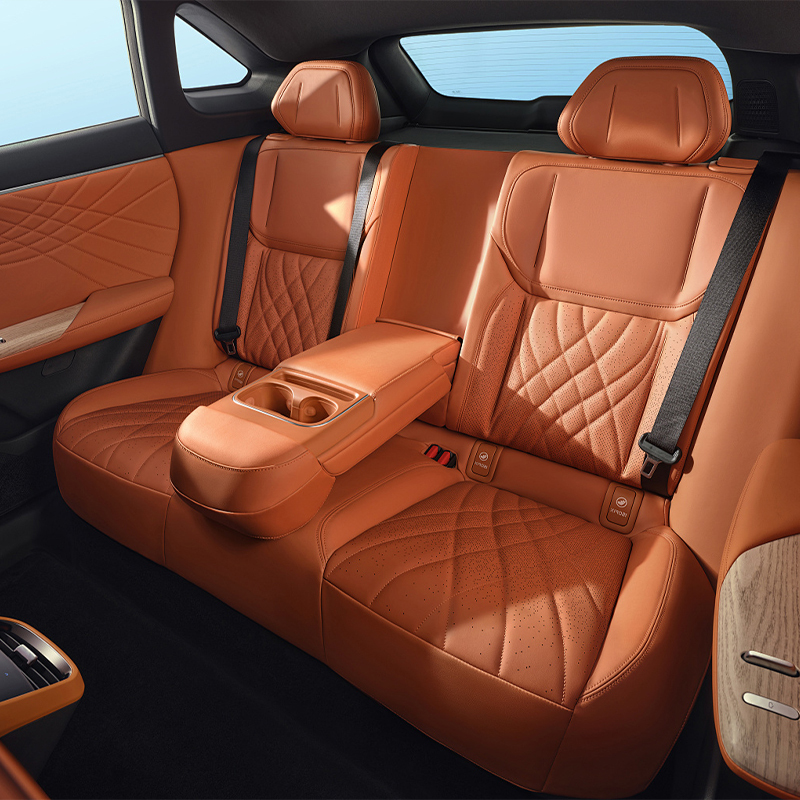
Cleaning Leather Seats
Vacuuming and Spot Cleaning
Proper cleaning forms the foundation of effective automotive leather maintenance. Dirt and debris can cause premature wear if left unchecked. Regular cleaning routines help preserve the appearance and longevity of both genuine and artificial materials, including wiki artificial leather.
Step-by-step cleaning process:
Inspect the seats for visible dirt, crumbs, or stains. Address any spills immediately to prevent permanent marks.
Use a vacuum with a soft brush attachment to remove loose debris from seams and crevices. This prevents particles from scratching the surface during further cleaning.
Gently wipe the surface with a dry microfiber cloth to lift dust and small particles.
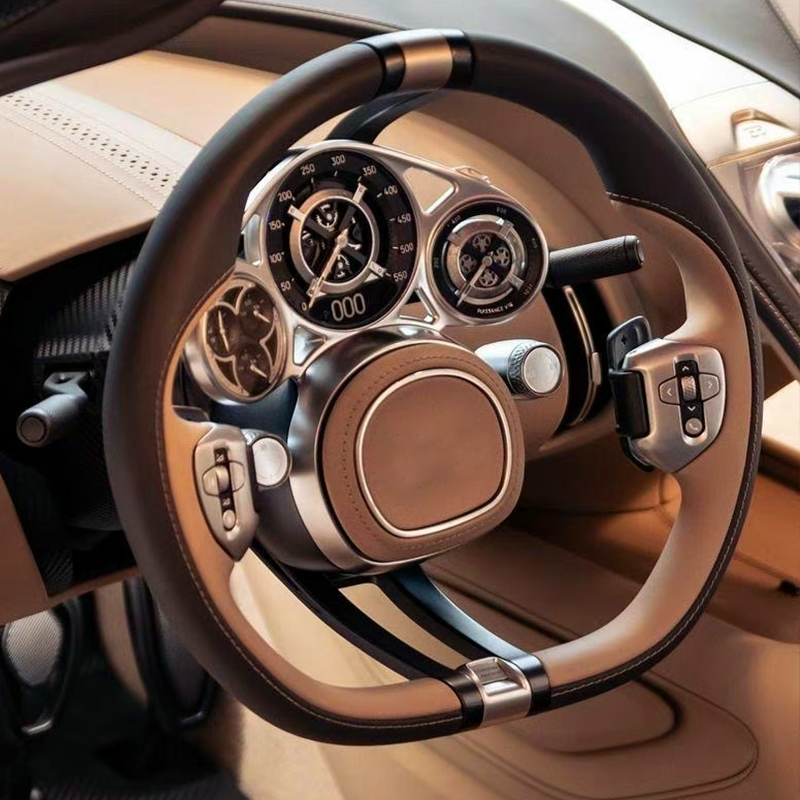
For spot cleaning, dampen a clean microfiber cloth with water or a leather-safe cleaner. Avoid soaking the material.
Apply the cleaner in small, circular motions. This technique lifts grime without damaging the finish.
Wipe away any residue with a dry microfiber cloth. Allow the seats to air dry completely before use.
Tip: Avoid eating or drinking on leather seats. Spills can stain or weaken the material, making cleaning more difficult.
Routine cleaning not only keeps the interior looking fresh but also extends the lifespan of the material. Faux Leathers' wiki artificial leather simplifies this process. Its engineered surface resists cracking and fading, requiring less frequent and less intensive cleaning than traditional options.
Choosing Cleaners
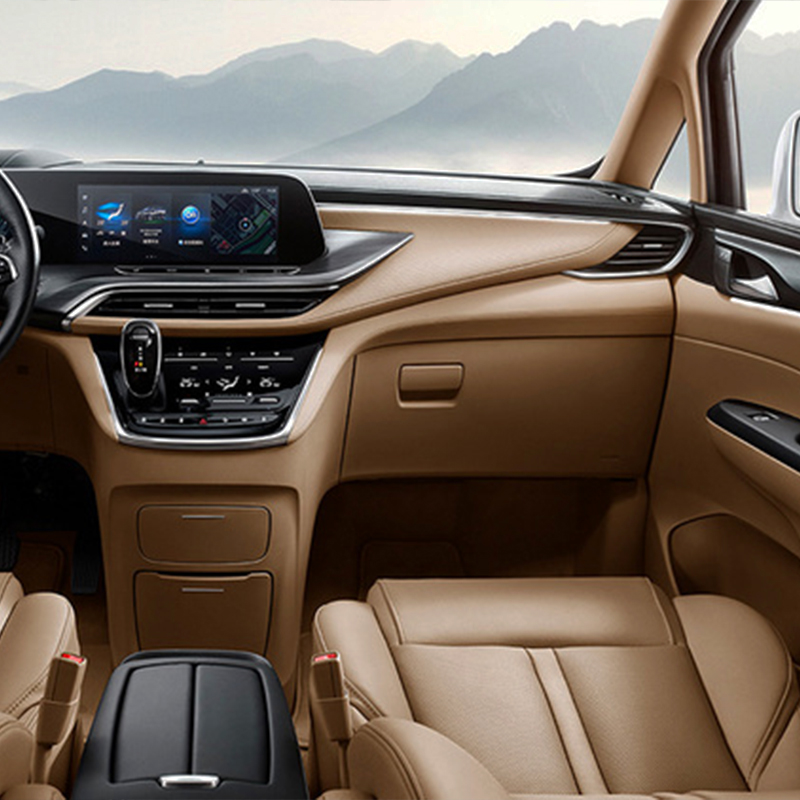
Selecting the right cleaning products is essential for effective care. Not all cleaners suit every type of automotive leather. Using harsh chemicals or abrasive tools can damage the finish and reduce durability.
Choose a pH-balanced, leather-safe cleaner. These products maintain the natural balance of the material and prevent drying or cracking.
For wiki artificial leather, opt for mild soap solutions or specialized synthetic leather cleaners. These options remove dirt without harming the surface.
Avoid ammonia-based or alkaline cleaners. These can strip protective coatings and cause discoloration.
Always test a new cleaner on a hidden area before applying it to the entire seat.
Note: Faux Leathers recommends using non-toxic, family-safe cleaners for all their products. This ensures a pleasant cleaning experience without harsh odors or chemical residues.
Conditioning Leather Seat
Frequency and Products
Conditioning plays a vital role in automotive leather maintenance. It keeps the material supple, prevents cracking, and enhances comfort. Both genuine and artificial leathers benefit from regular conditioning, though wiki artificial leather requires less frequent applications due to its advanced formulation.
Recommended conditioning schedule:
Condition genuine leather seats every three to six months, depending on climate and usage.
For wiki artificial leather, condition every six months or as needed. Its durable surface retains moisture and flexibility longer than traditional leather.
Key qualities of effective conditioning products:
|
Key Quality |
Description |
|---|---|
|
Enhances abrasion resistance |
Strengthens fibers to withstand daily wear and tear. |
|
Keeps leather supple |
Preserves flexibility and comfort, reducing the risk of cracking. |
|
Built-in durability features |
Offers UV protection to prevent fading and cracking from sun exposure. |
|
pH balanced |
Matches leather's natural pH, avoiding damage from alkaline products. |
|
Maintains high-end look |
Enhances appearance without making the surface overly shiny or greasy. |
|
Safe for family use |
Uses non-toxic formulations for a pleasant application experience. |
Faux Leathers' wiki artificial leather responds well to these products, maintaining its luxurious look with minimal effort.
Preventive Care
Preventive care strategies help protect automotive leather from everyday hazards. Consistent maintenance routines reduce the risk of damage and keep interiors looking new.
Use sunshades or park in shaded areas to protect seats from direct sunlight. UV rays can cause fading and drying.
Transport items in bags or containers to avoid scratches or dents on the leather.
Wipe up spills immediately to prevent staining.
Regularly inspect seats for signs of wear, such as fading, stiffness, or surface cracks. Early intervention prevents minor issues from becoming major problems.
Callout: Faux Leathers' wiki artificial leather offers superior resistance to stains and environmental stress. Its low-maintenance design makes it ideal for busy drivers and families who want lasting beauty with minimal effort.
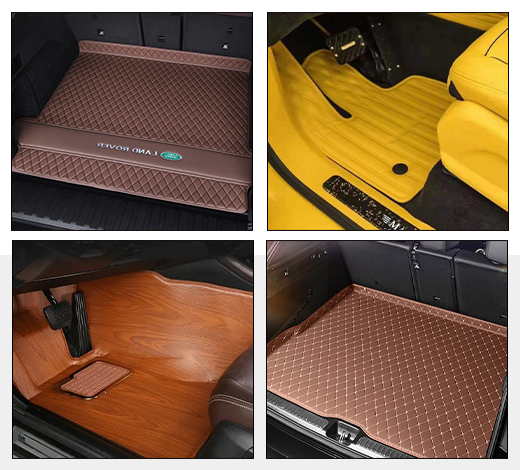
By following these cleaning and care steps, car owners can ensure their interiors remain comfortable, attractive, and durable. Faux Leathers products make maintenance straightforward, allowing more time to enjoy the drive and less time worrying about upkeep.
Leather Care Comparison
Automotive vs. Other Leather
Shoes, Bags, Furniture
Leather products serve different purposes in daily life. Shoes, bags, and furniture each require distinct maintenance routines. Automotive leather faces unique challenges due to constant exposure to sunlight, temperature changes, and frequent use.
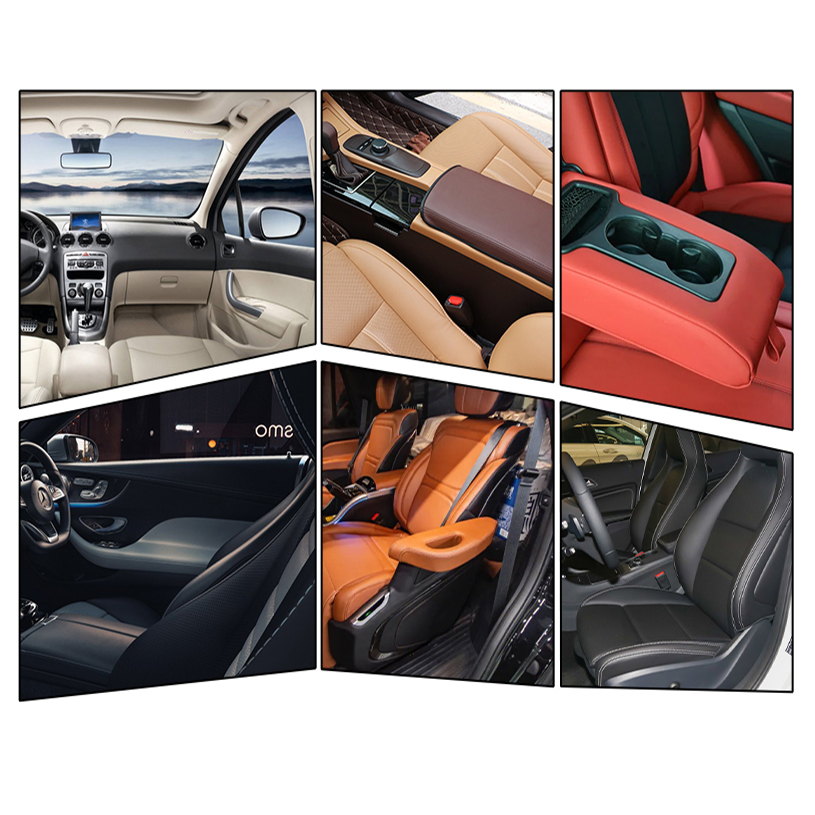
Automotive leather needs conditioning every two months. Sun exposure and fluctuating temperatures accelerate wear.
Leather shoes require conditioning from once a month to twice a year. Usage frequency and environmental exposure determine the schedule.
Leather furniture benefits from deep conditioning twice a year. Regular dusting helps maintain its appearance and prevents buildup.
Shoes and bags often experience abrasion and moisture from outdoor environments. Furniture remains indoors but can suffer from spills and dust. Automotive leather must withstand harsher conditions, including UV rays, heat, and friction from passengers.
Tip: Regular maintenance extends the lifespan of all leather products. However, automotive leather demands more frequent attention due to its environment.
Unique Demands of Car Interiors
Car interiors present a set of challenges not found in other leather applications. Automotive leather and wiki artificial leather must resist fading, cracking, and staining while maintaining comfort and aesthetics.
|
Factor |
Eco-Leather |
Traditional Leather |
|---|---|---|
|
Water Usage |
Lower water requirement |
High water usage |
|
Energy Consumption |
Less energy required |
High energy consumption |
|
Chemical Emissions |
Fewer harmful emissions |
Significant chemical pollutants |
|
Deforestation |
Does not contribute to deforestation |
Contributes to deforestation |
Wiki artificial leather, engineered by Faux Leathers, excels in durability and resistance to wear and tear. The material remains easy to clean and maintain, even when exposed to stains and spills. Its ability to withstand sunlight and temperature fluctuations makes it ideal for car interiors.
Highly durable and resistant to wear.
Easy to clean, minimizing maintenance time.
Maintains appearance despite exposure to sunlight and heat.
Automotive leather and wiki artificial leather offer more affordable alternatives to genuine leather. Their durability leads to lower maintenance costs and reduces the need for frequent replacements. Car owners save money on cleaning products and enjoy longer-lasting interiors.
Note: Specialized care ensures automotive leather and wiki artificial leather retain their luxurious look and comfort. Choosing advanced materials from Faux Leathers provides lasting value and performance for car interiors.

Customization and Value
Leather Seat Options
Colors, Textures, Stitching
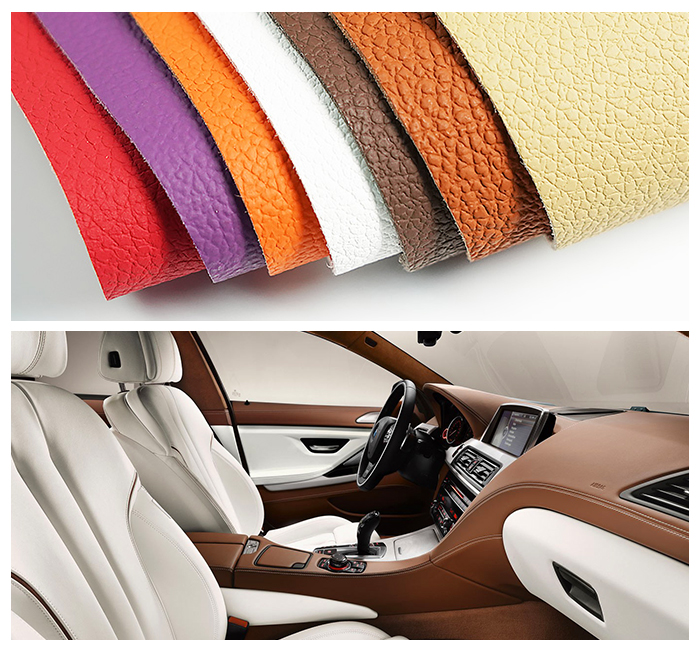
Automotive interiors now reflect personal style more than ever. Consumers expect a wide range of choices when selecting materials for car seats. The market offers an impressive palette of colors, from classic black and beige to bold reds and blues. Textures also play a significant role. Some drivers prefer a smooth, sleek finish, while others choose a grainy or embossed surface for added character. Stitching details further enhance the look. Contrasting thread colors, decorative patterns, and double-stitched seams create a sense of craftsmanship and luxury. This focus on customization allows car owners to design interiors that match their tastes and lifestyles.
Faux Leathers Custom Solutions
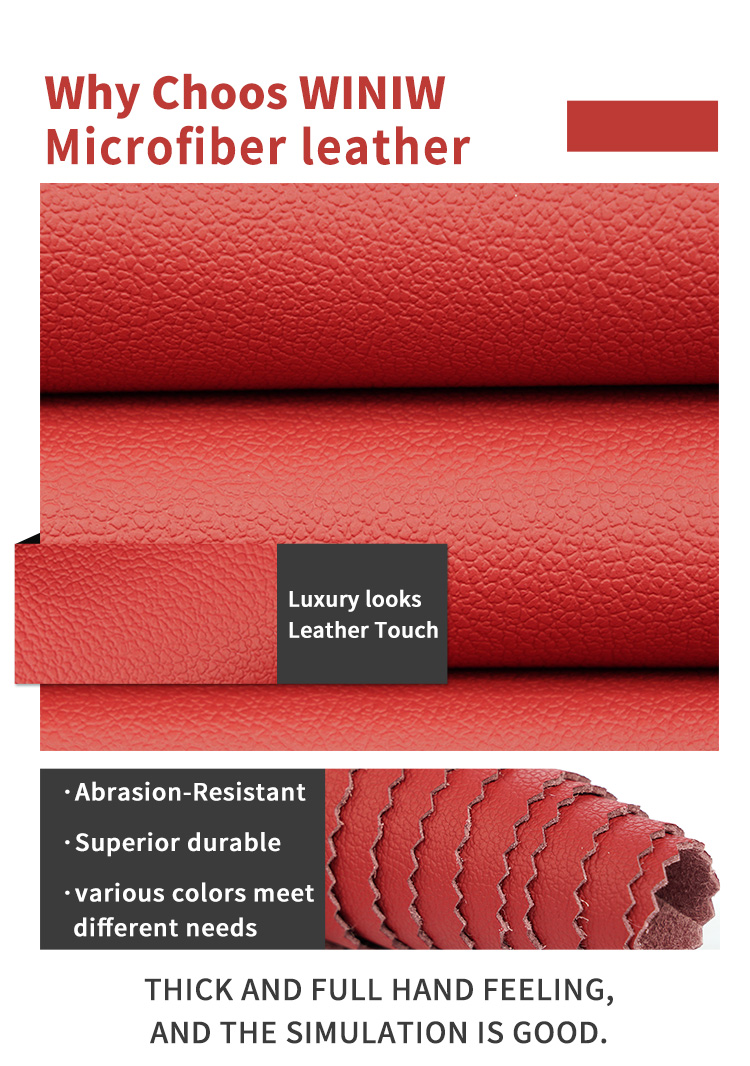
Faux Leathers responds to these trends with a diverse selection of synthetic materials. The brand provides car seats in various colors, textures, and finishes, ensuring every customer finds a suitable match. Wiki artificial leather stands out for its adaptability. It can mimic the appearance of premium leather or offer unique, modern looks. Faux Leathers also supports custom stitching options, enabling clients to select thread colors and patterns that complement their vehicle's design. The company's expertise in material engineering ensures that each customized seat maintains durability and comfort. Car owners benefit from both aesthetic appeal and long-lasting performance.
Tip: Customizing car seats with Faux Leathers' solutions not only enhances visual appeal but also increases the perceived value of the vehicle.

Environmental Impact
Sustainability of Artificial Leather
The environmental impact of automotive materials remains a key concern for manufacturers and consumers. Synthetic leather, including wiki artificial leather, often appears as a more eco-friendly alternative to traditional leather. However, the sustainability of each material depends on several factors:
Synthetic leather production relies on non-renewable fossil fuels, which complicates its overall sustainability profile.
Genuine leather is biodegradable, but its production raises concerns about animal farming and resource-intensive processing.
Both materials present unique environmental challenges, making it important to consider the specific context of use and production methods.
Faux Leathers addresses these concerns by focusing on efficient manufacturing processes and offering products that last longer, reducing the need for frequent replacements. Wiki artificial leather's durability and low maintenance requirements contribute to a smaller environmental footprint over the lifespan of car seats. By choosing advanced synthetic solutions, car owners can support sustainability goals while enjoying stylish and comfortable interiors.
Expert Advice and Support
Industry Insights
Restoration and Maintenance Tips
Automotive leather seats require consistent care to maintain their appearance and durability. Experts recommend several practical steps that car owners can follow to extend the life of their leather interiors.
Wipe up spills immediately, especially colored liquids like wine, to prevent stains and reduce long-term damage.
Schedule professional cleaning and conditioning at least every four months. This routine helps preserve the leather's texture and increases its lifespan.
Apply protective sprays designed for automotive leather. These products guard against rain, spills, and other environmental threats. Always ensure the spray matches the specific type of leather in the vehicle.
Car owners benefit from following these tips. Quick action after spills prevents permanent marks. Regular professional care keeps the leather soft and prevents cracking. Protective treatments add an extra layer of defense, making maintenance easier over time.
Faux Leathers encourages car owners to adopt a proactive approach. Simple habits, such as keeping a microfiber cloth in the glove compartment, make it easier to address messes on the go. Using sunshades and parking in shaded areas also helps protect seats from UV damage. These tips, when practiced regularly, help maintain the luxurious look and feel of automotive leather.
Customer Support
Faux Leathers Services
Faux Leathers stands out for its commitment to customer support and education. The brand offers a comprehensive range of resources to help customers care for their automotive interiors. Detailed care guides, video tutorials, and maintenance checklists are available on the official website. These materials provide step-by-step instructions for cleaning, conditioning, and protecting both genuine and artificial leather.
The customer service team at Faux Leathers responds promptly to inquiries. They assist with product selection, offer troubleshooting advice, and recommend the best care routines for each material type. Customers can access support through multiple channels, including email and live chat.
Faux Leathers also invests in educational content. The brand's YouTube channel features demonstrations on proper cleaning techniques and product usage. Workshops and webinars give customers the opportunity to learn directly from industry experts. This focus on education empowers car owners to make informed decisions and achieve the best results for their interiors.
For those seeking reliable guidance, Faux Leathers delivers expert support and practical tips every step of the way.
Automotive leather maintenance stands apart due to its unique demands and the need for specialized care. Innovative solutions like Faux Leathers and wiki artificial leather offer durability, easy cleaning, and customization. Car owners benefit from regular detailing, stain removal, and conditioning, which preserve luxury and boost resale value.
Key tips for maintaining leather interiors:
Use sunshades and park in shaded areas.
Apply UV protectant and clean spills promptly.
Choose materials that resist stains and odors.
Specialized care and smart material choices ensure lasting comfort, style, and sustainability.

FAQ
What makes automotive leather seats different from home upholstery?
Automotive leather seats face more sunlight, temperature changes, and friction than home upholstery. Manufacturers design these seats for durability and easy cleaning. Upholstery in cars must resist stains and fading, while home upholstery usually focuses on comfort and style.
How often should drivers clean their car seats and upholstery?
Experts recommend cleaning car seats and upholstery every two weeks. Regular cleaning prevents dirt buildup and protects the material. For high-traffic vehicles, weekly cleaning keeps seats and upholstery looking new and extends their lifespan.
Can artificial leather upholstery match the comfort of genuine leather seats?
Artificial leather upholstery can closely mimic the comfort and feel of genuine leather seats. Modern materials provide softness, flexibility, and breathability. Many drivers cannot distinguish between high-quality artificial leather upholstery and traditional leather seats.
What is the best way to remove stains from car seats and upholstery?
Use a vacuum to remove loose dirt from seats and upholstery. Apply a mild, pH-balanced cleaner with a microfiber cloth. Gently blot the stain. Avoid harsh chemicals, which can damage both seats and upholstery.
Are there special products for conditioning automotive seats and upholstery?
Yes, manufacturers offer conditioners designed for automotive seats and upholstery. These products keep the material supple and prevent cracking. Always choose a conditioner that matches the type of seats and upholstery in the vehicle.
How does sun exposure affect car seats and upholstery?
Sunlight can fade colors and dry out both seats and upholstery. UV rays cause cracking and weaken the material. Using sunshades and parking in shaded areas protects seats and upholstery from damage.
Can drivers customize the look of their seats and upholstery?
Drivers can choose from many colors, textures, and stitching options for seats and upholstery. Customization allows for unique designs and personal style. Faux Leathers offers a wide range of choices for both seats and upholstery.
Why is regular maintenance important for automotive seats and upholstery?
Regular maintenance keeps seats and upholstery clean, comfortable, and attractive. It prevents stains, cracking, and fading. Well-maintained seats and upholstery also help maintain the vehicle's value over time.


