


Polyurethane Microfiber Vs Polyester And Nylon Is It Worth The Upgrade
Feb 25, 2026
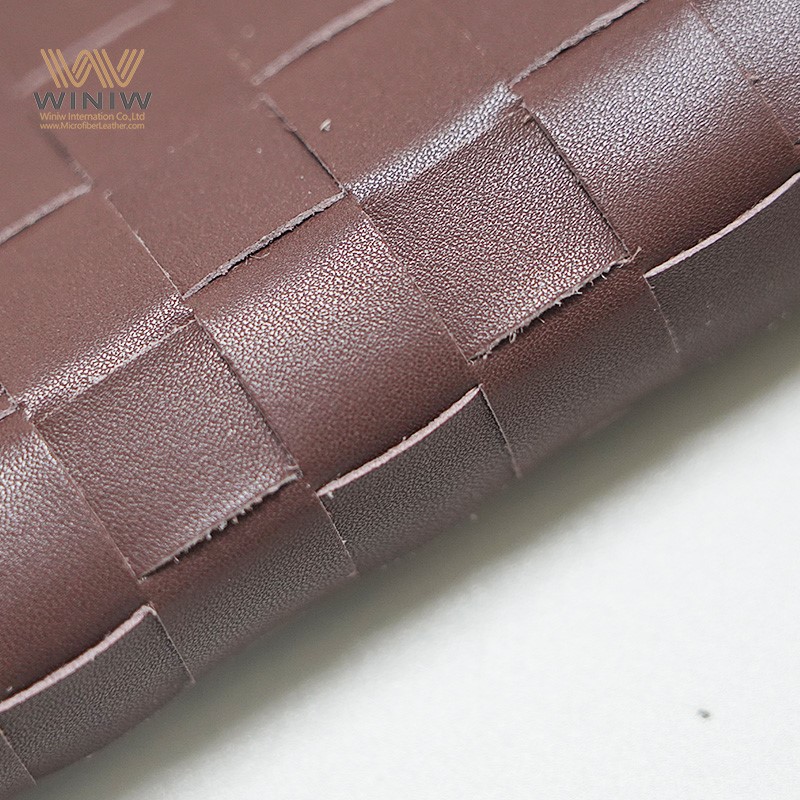
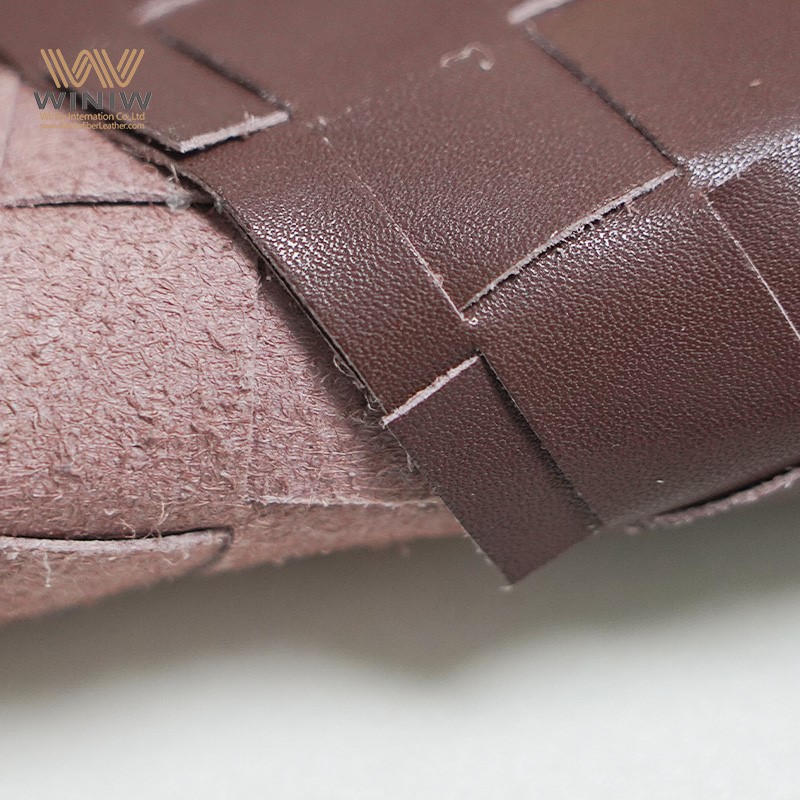
I believe polyurethane microfiber is worth considering if you want better performance and comfort in everyday products. I have noticed that this material feels softer and more flexible than polyester or nylon. It often looks more like real leather, which can make a big difference in style. I also value its eco-friendly features, since some options use recycled materials and reduce waste. For me, the improved durability and sustainability make it a smart upgrade.
Key Takeaways
Polyurethane microfiber offers a soft, luxurious feel that mimics real suede, making it a stylish choice for furniture and accessories.
This material is more durable and stain-resistant than polyester and nylon, ensuring your items look new for longer.
Eco-friendly features of polyurethane microfiber include the use of recycled materials and lower waste during production, supporting sustainable choices.
Polyurethane microfiber is easy to clean, requiring only mild soap and water, which saves time and effort in maintenance.
Investing in polyurethane microfiber furniture may cost more upfront, but its longevity and performance provide better long-term value.
For high-use items like bags and shoes, polyurethane microfiber maintains its shape and color, making it ideal for everyday wear.
Consider upgrading to polyurethane microfiber if you have kids or pets, as it resists stains and is easy to clean.
When on a budget, polyester and nylon are good alternatives for less demanding uses, while polyurethane microfiber excels in comfort and durability.
Quick Comparison
Material Overview
When I started comparing fabrics for my own projects, I realized that understanding the basics of each material made a big difference. Polyurethane microfiber, often called alcantara microfiber, stands out because it mimics the structure of natural suede. This material uses ultra-fine fibers and a polyurethane binder, which gives it a soft, luxurious feel. Polyester is a synthetic fiber made from petroleum-based products. It is lightweight and affordable. Nylon, another synthetic, is known for its strength and resilience. I have seen alcantara microfiber used in everything from car interiors to designer bags, while polyester and nylon show up in jackets, backpacks, and upholstery.
Here's a quick table that helped me see the differences at a glance:
|
Feature |
Polyurethane Microfiber (Alcantara Microfiber) |
Polyester |
Nylon |
|---|---|---|---|
|
Performance |
High durability, flexible, water-resistant |
Moderate, pills easily |
Excellent tear resistance, high breathability |
|
Comfort |
Soft, suede-like, warm to touch |
Smooth, can feel plasticky |
Cool, smooth, sometimes stiff |
|
Appearance |
Luxurious, matte, mimics suede |
Shiny or matte, less premium |
Shiny, technical look |
|
Maintenance |
Easy to clean, resists stains, low water absorption |
Easy, but stains set quickly |
Dries fast, can stain |
|
Environmental Impact |
Some recycled content, lower waste |
High energy use, recyclable |
High energy use, less recyclable |
|
Cost |
Higher upfront, long-term value |
Low |
Moderate |
Key Benefits
I have found that alcantara microfiber offers a unique blend of softness and durability. The tightly woven structure means it resists water and stains better than most polyester or nylon fabrics. In my experience, alcantara microfiber stays flexible even after getting wet, while traditional PU leather can crack or stiffen. This makes a big difference for items like shoes, bags, and car seats.
When I look at performance, I notice that nylon jackets often outperform polyester in lab tests. For example, nylon shows better water beading and wind resistance, especially with a membrane backing. However, alcantara microfiber holds its own in everyday use. It resists abrasion and keeps its appearance longer than polyester, which tends to pill. I remember reading about a hiker who switched from a polyester jacket to a nylon one with a PU coating and saw a clear improvement in rain and wind protection.
Maintenance matters to me. I want materials that stay looking good with minimal effort. Alcantara microfiber absorbs 30–40% less water than PU leather after heavy rain, so it dries faster and needs less care. Polyester and nylon both clean up easily, but stains can set quickly on polyester, and nylon sometimes holds onto odors.
From an environmental perspective, alcantara microfiber sometimes uses recycled materials and creates less waste during production. Polyester and nylon both require a lot of energy to produce, but polyester is more widely recycled. When I think about selecting the best material, I weigh these factors carefully.
Polyurethane Microfiber Explained
Structure and Composition
When I first learned about polyurethane microfiber, I wanted to understand what makes it different from other fabrics. This material combines ultra-fine microfiber strands with a polyurethane binder. The process starts with weaving or knitting the microfiber into a dense, soft base. Manufacturers then coat or impregnate this base with polyurethane. This step gives the fabric its signature suede-like feel and extra durability. I noticed that the fibers are much thinner than human hair, which helps create a smooth, flexible surface. The combination of microfiber and polyurethane results in a fabric that feels luxurious but stays tough in daily use.
Biomimetic Advantages
I find the biomimetic design of polyurethane microfiber fascinating. The structure mimics natural suede, so it offers a similar touch and appearance. I have compared it side by side with real suede and noticed how closely it matches the texture. The microfiber network allows air to move through the fabric, which helps with breathability. Polyurethane adds water resistance and strength. This blend means I get a material that feels soft and comfortable but also stands up to wear and tear. I have used products made from polyurethane microfiber and found that they resist pilling and stretching better than many synthetic fabrics. The biomimetic approach gives me the best of both worlds: the look and feel of natural materials with the performance of advanced synthetics.
Tip: If you want a vegan alternative to suede that still feels premium, polyurethane microfiber is a smart choice.
Eco-Friendly Features
Eco-friendliness matters to me when I choose materials. Polyurethane microfiber often uses recycled content in both the microfiber and the polyurethane binder. Some brands focus on reducing waste during production, which lowers the environmental impact. I have seen that this material can last longer than traditional synthetics, so I replace items less often. That helps reduce overall waste. Polyurethane microfiber also avoids the use of animal products, which supports a more sustainable lifestyle. While not all versions are fully recyclable, I appreciate that some manufacturers are working on closed-loop systems to improve eco-friendliness. I always check for certifications or details about recycled content when I shop for microfiber products.

Microfiber Leather vs Synthetics
Vegan Suede Applications
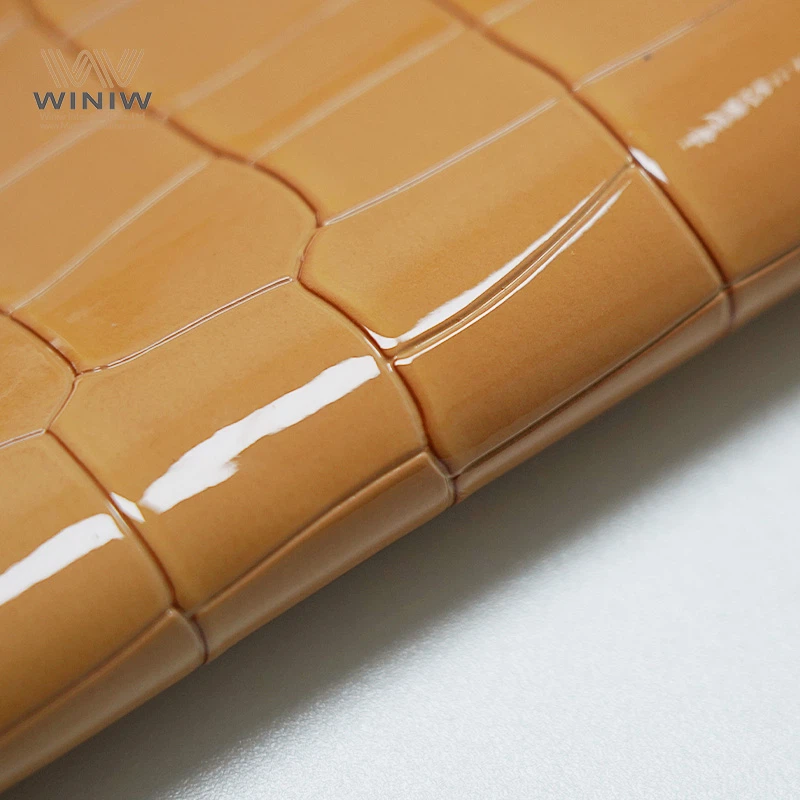
When I look for vegan alternatives to animal-based products, I often choose microfiber leather. This material gives me the look and feel of suede without using animal hides. I have used microfiber leather in shoes, bags, car interiors, and even furniture. Many brands now offer vegan suede options made from pu leather. I see pu leather and microfiber leather in high-end cars, where they replace traditional leather for seats and trim. I also notice that designers use pu leather and microfiber leather in fashion, especially for jackets and handbags. These materials let me enjoy a suede-like finish while supporting cruelty-free choices.
I want to highlight some key points about vegan suede and its impact:
Microfiber leather avoids animal harm and supports vegan lifestyles.
Pu leather and microfiber leather offer a wide range of colors and textures.
Synthetic leather, including pu leather, is easy to shape and cut for different designs.
Microfiber leather and pu leather resist fading and keep their appearance longer than some other synthetics.
Softness and Flexibility
I always notice the difference in softness when I touch microfiber leather compared to other synthetic leather options. Microfiber leather feels smooth and plush, much like real suede. Pu leather can sometimes feel stiff, but microfiber leather stays flexible. I find that this flexibility makes microfiber leather ideal for products that need to bend or stretch, like shoes and gloves. When I use pu leather in upholstery, it molds well to curves and edges. Microfiber leather also holds up better over time, keeping its soft texture even after repeated use.
Here are some reasons why I prefer microfiber leather for softness and flexibility:
Microfiber leather uses ultra-fine fibers, which create a soft, luxurious surface.
Pu leather and microfiber leather remain flexible in cold or hot weather.
Synthetic leather can sometimes crack or peel, but microfiber leather resists these problems.
Microfiber leather and pu leather maintain their shape and comfort longer than many other synthetics.
Breathability
Breathability matters to me, especially for items I wear or use every day. Microfiber leather stands out because it allows air to pass through, unlike some types of pu leather. I have worn shoes made from microfiber leather and noticed my feet stay cooler and drier. When I use microfiber leather in car interiors, the seats feel less sticky in hot weather. Pu leather and synthetic leather can sometimes trap heat, but microfiber leather offers better airflow.
I want to share some facts about breathability and environmental impact:
Microfiber leather provides better breathability than most pu leather and synthetic leather.
Real leather is more durable, but it has a high environmental cost due to water use and emissions.
Microfiber leather and pu leather avoid animal harm, but they use plastics that do not biodegrade.
Synthetic leather, including pu leather, can release microplastics over time.
Traditional leather production uses a lot of water and creates harmful emissions.
Note: While microfiber leather and pu leather offer many benefits, I always consider their environmental impact. I try to choose products made with recycled content or from brands that focus on sustainability.


Longevity and Durability
Wear Resistance
Everyday Use
When I choose materials for daily items, I always look for strong wear resistance. Polyurethane microfiber stands out in this area. I have used bags and shoes made from this fabric, and they show fewer signs of wear after months of use. The surface resists scuffs and scratches better than polyester. I notice that nylon also performs well, but it sometimes develops small tears at stress points. Polyester tends to pill and lose its smooth finish over time. I find that polyurethane microfiber keeps its original look longer, even with frequent handling.
Polyurethane microfiber resists abrasion from keys, coins, and other objects in my bag.
Nylon jackets hold up well, but I have seen them develop tiny tears after rough hikes.
Polyester shirts often show pilling after several washes.
Tip: If you want your everyday items to look new for longer, consider polyurethane microfiber for its superior wear resistance.
High-Performance Needs
For high-performance needs, I pay close attention to durability. I have tested jackets and backpacks in tough conditions. Polyurethane microfiber handles repeated bending and stretching without cracking. Nylon offers excellent tear strength, which makes it a favorite for outdoor gear. I have pulled on nylon straps and watched them hold up under heavy loads. Polyester does not match this level of durability. It can tear more easily when caught on sharp objects.
In my experience, polyurethane microfiber combines flexibility with toughness. I have used gloves made from this material during bike rides. They resist both abrasion and small tears, even after many hours of use. Nylon still leads in tear resistance, but polyurethane microfiber comes close, especially when reinforced.
Lifespan Comparison
I always compare the lifespan of materials before making a purchase. Polyurethane microfiber lasts longer than most polyester fabrics. I have owned microfiber car seats for years, and they still look almost new. The material resists fading and keeps its shape. Nylon products also offer impressive longevity. I have a nylon backpack that has survived years of travel without major tears or damage. Polyester items, on the other hand, often show wear after a year or two.
Here is a simple table that summarizes my observations:
|
Material |
Typical Lifespan |
Common Issues |
|---|---|---|
|
Polyurethane Microfiber |
5–10 years |
Minor scuffs, rarely tears |
|
Nylon |
5–8 years |
Occasional small tears |
|
Polyester |
2–5 years |
Pilling, surface tears |
I believe that durability and performance go hand in hand. Polyurethane microfiber offers a great balance. It resists daily wear, stands up to stress, and rarely develops tears. Nylon remains the top choice for maximum tear resistance, but polyurethane microfiber provides a more luxurious feel with nearly the same level of protection. Polyester falls behind in both durability and tear strength.
Note: When I want products that last, I always check for materials with proven longevity and high durability.
Comfort and Appearance
Texture and Feel
When I touch polyurethane microfiber, I notice a soft and velvety surface. The texture feels much like real suede, but it does not have the roughness that some synthetic fabrics show. I often run my hand over microfiber car seats or bags and feel a gentle, cushiony layer. This comfort stands out, especially when I compare it to polyester or nylon. Polyester sometimes feels slick or plasticky. Nylon can feel cool and stiff, especially in jackets or backpacks.
I like how polyurethane microfiber adapts to temperature. It feels warm in winter and does not get sticky in summer. I have used microfiber shoes and found that they do not rub or cause blisters. The flexibility of the fabric lets it move with my body, which adds to the comfort. I also notice that the softness lasts, even after months of use.
Here is a quick comparison of how each material feels to me:
|
Material |
Texture |
Comfort Level |
|---|---|---|
|
Polyurethane Microfiber |
Soft, suede-like |
High |
|
Polyester |
Smooth, sometimes slick |
Moderate |
|
Nylon |
Cool, slightly stiff |
Moderate |
Tip: If you want a fabric that feels gentle against your skin, I recommend trying polyurethane microfiber. It offers a premium touch that many synthetics cannot match.
Color and Finish
I pay close attention to the color and finish of materials. Polyurethane microfiber impresses me with its rich, deep colors. The dye bonds well with the ultra-fine fibers, so the color looks even and vibrant. I have seen microfiber products in bold reds, deep blues, and classic blacks. The finish often looks matte, which gives a sophisticated, high-end appearance.
Polyester and nylon also come in many colors, but the finish can look shiny or artificial. Sometimes, polyester fades after washing. Nylon can lose its color in the sun. I have noticed that polyurethane microfiber holds its color longer. The matte finish hides fingerprints and smudges, which keeps items looking clean.
I like that microfiber can mimic the look of suede or leather. This versatility lets designers create products that look luxurious without using animal materials. I have used microfiber accessories that look almost identical to real suede. The finish stays smooth and does not crack or peel.
Polyurethane microfiber offers a wide range of colors and finishes.
The matte surface looks elegant and resists fading.
Polyester and nylon can look shiny and may fade faster.
Note: For anyone who wants a stylish, long-lasting look, polyurethane microfiber delivers both beauty and durability.
Maintenance and Care
Cleaning
When I choose a material for my home or car, I always think about cleaning. Polyurethane microfiber stands out because it is easy to clean. I usually just use a damp cloth to wipe away dust or dirt. For deeper cleaning, I mix a little mild soap with water and gently rub the surface. I avoid harsh chemicals because they can damage the fibers. I have found that regular cleaning keeps the material looking fresh and new.
Polyester and nylon also offer simple cleaning routines. I often toss polyester items in the washing machine. Nylon jackets clean up well with a quick rinse. However, I notice that stains sometimes set into polyester if I do not act fast. Microfiber, on the other hand, releases dirt more easily during cleaning. I like that I do not need special products or tools for most cleaning tasks.
Tip: Always test a small, hidden area before using any new cleaning solution on your microfiber products.
Stain Resistance
I have spilled coffee and juice on my microfiber seats more than once. Each time, I felt relieved because the material resists stains better than most synthetics. The tight weave and polyurethane layer help block liquids from soaking in. I usually blot spills right away with a dry cloth. Most stains lift out with gentle cleaning. I rarely see permanent marks on my microfiber items.
Polyester and nylon also resist stains, but not as well as polyurethane microfiber. I have noticed that oil-based stains sometimes linger on polyester. Nylon can absorb dyes from other fabrics if I wash them together. Microfiber's stain resistance gives me peace of mind, especially in busy households or cars with kids.
Here is a quick table that shows my experience with stain resistance:
|
Material |
Stain Resistance |
Ease of Removal |
|---|---|---|
|
Polyurethane Microfiber |
Excellent |
Very easy |
|
Polyester |
Good |
Moderate |
|
Nylon |
Good |
Moderate |
Off-Gassing Concerns
When I first bought a microfiber sofa, I worried about off-gassing. Off-gassing means the release of chemical smells from new products. I noticed a faint odor when I unpacked my microfiber items, but it faded after a few days. I always air out new products in a well-ventilated room. Polyurethane microfiber usually produces less odor than some synthetic leathers or vinyl.
Polyester and nylon can also release odors when new. I have found that washing or airing out these items helps reduce the smell. I always check for certifications that show the material meets safety standards. This step helps me feel confident about the air quality in my home.
Note: If you are sensitive to smells, let new microfiber products air out before using them.
Environmental Impact
Production Footprint
When I look at the environmental impact of polyurethane microfiber, I always start with how it gets made. The production process uses both synthetic fibers and polyurethane, which come from petroleum. This means the initial footprint can be high, especially when compared to natural fibers. However, I have noticed that manufacturers are making changes. Many companies now use eco-friendly production methods to lower emissions and reduce waste. They focus on using sustainable raw materials whenever possible. Some brands even use recycled fibers in their products, which helps cut down on the need for new resources.
I see that advanced manufacturing technologies play a big role. These new methods use less water and energy. They also create fewer harmful byproducts. When I compare this to traditional polyester and nylon, I find that all three materials have a significant impact during production. Still, polyurethane microfiber often lasts longer, which means I replace items less often. This longer lifespan can help balance out the initial environmental cost.
Note: I always check if a brand shares information about their supply chain and production methods. Transparency helps me make better choices for the planet.
Sustainability
Sustainability matters to me when I choose materials for my home or wardrobe. I have seen a clear shift in the market toward sustainable alternatives, especially in textiles and upholstery. Many companies now offer vegan and cruelty-free products, which appeals to people who want to avoid animal-based materials. I notice that regulatory pressures also push manufacturers to minimize their environmental impact.
Here are some ways I see manufacturers working toward greater sustainability:
Developing eco-friendly production methods that use less energy and water.
Choosing sustainable raw materials, such as recycled polyester or plant-based fibers.
Adopting advanced technologies to reduce emissions and waste.
Enhancing product offerings with more vegan and cruelty-free options.
Improving transparency in the supply chain so consumers know what they are buying.
I also pay attention to recyclability. Polyurethane microfiber is not always easy to recycle, but some brands are working on closed-loop systems. These systems let old products become new materials, which reduces landfill waste. I think this is a step in the right direction, even if the process is still developing.
Off-gassing remains a concern for some synthetic materials. I have noticed that new polyurethane microfiber products sometimes have a slight odor, but it usually fades quickly. I always air out new items before using them, just to be safe.
Tip: If you want to support sustainability, look for products made with recycled content or from brands that focus on eco-friendly production.

Cost vs Value
Price Comparison
When I shop for new furniture, I always check the price tag first. Polyurethane microfiber furniture usually costs more than polyester or nylon options. I have seen sofas and chairs made with polyurethane microfiber priced 20–40% higher than similar polyester furniture. Nylon furniture often falls in the middle. The higher price comes from the advanced manufacturing process and the premium feel of the material. I notice that some brands offer discounts on older models, but new polyurethane microfiber furniture tends to stay at the top of the price range.
Here is a simple table that shows what I have found in stores:
|
Material |
Average Price (Sofa) |
Typical Use in Furniture |
|---|---|---|
|
Polyurethane Microfiber |
$900–$1,500 |
Sofas, chairs, ottomans |
|
Nylon |
$700–$1,200 |
Recliners, sectionals |
|
Polyester |
$500–$1,000 |
Sofas, loveseats |
I always remind myself that the initial cost is just one part of the decision.
Is the Upgrade Worth It?
I ask myself if the upgrade to polyurethane microfiber furniture makes sense. I look at how the material feels and how it performs over time. Polyurethane microfiber furniture feels softer and looks more like real suede. I have noticed that it resists stains and spills better than polyester furniture. When I compare the performance, I see fewer scratches and less fading on my polyurethane microfiber furniture after years of use. Nylon furniture also holds up well, but it does not have the same luxurious touch.
I think about my lifestyle. If I have kids or pets, I want furniture that can handle daily messes. Polyurethane microfiber furniture makes cleaning easy and keeps its appearance longer. I believe the upgrade is worth it if I want a combination of comfort, style, and durability.
Tip: If you want furniture that looks great and lasts, consider investing in polyurethane microfiber.
Long-Term Value
I always consider the long-term value before making a big purchase. Polyurethane microfiber furniture lasts longer than most polyester furniture. I have owned a polyurethane microfiber sofa for over five years, and it still looks almost new. The color stays rich, and the fabric does not pill or tear. I have replaced polyester furniture more often because it wears out faster.
Nylon furniture offers good durability, but it sometimes loses its shape. Polyurethane microfiber furniture keeps its structure and comfort over time. I also notice that this material adds value to my home because it looks high-end. When I calculate the cost per year, polyurethane microfiber furniture often ends up being the better deal.
Polyurethane microfiber furniture resists stains and fading.
The material keeps its softness and shape for many years.
I spend less on repairs and replacements with polyurethane microfiber furniture.
Note: Investing in quality furniture saves money and stress in the long run.
Best Use Cases
When to Upgrade
I often ask myself when it makes sense to choose polyurethane microfiber over polyester or nylon. I look at how I use the product and what I expect from it. If I want something that feels soft, looks stylish, and lasts for years, I pick polyurethane microfiber. I have upgraded my car seats and living room sofa to this material. The difference in comfort and appearance surprised me. The seats feel warmer in winter and stay cool in summer. I also notice fewer stains and less fading.
I recommend upgrading in these situations:
You want a premium look and feel for your home or car.
You need furniture or accessories that resist stains and wear.
You have kids or pets and want easy cleaning.
You care about animal-free and eco-friendly materials.
You want products that last longer and keep their shape.
Tip: If you spend a lot of time on your furniture or in your car, the upgrade pays off in comfort and durability.
I also choose polyurethane microfiber for shoes and bags. These items face daily stress. I notice that microfiber keeps its color and texture, even after months of use. I do not see cracks or peeling, which often happens with cheaper synthetics.
Budget-Friendly Choices
Sometimes, I need to stick to a budget. I know that polyester and nylon offer good value for many uses. I choose polyester for items that do not need a luxury feel, like curtains or casual bags. Nylon works well for outdoor gear, backpacks, and jackets. It resists tears and dries fast. I have used nylon jackets for hiking trips. They hold up well and cost less than microfiber options.
Here is a quick table that helps me decide:
|
Use Case |
Best Material Choice |
Why I Choose It |
|---|---|---|
|
Everyday furniture |
Polyurethane Microfiber |
Comfort, stain resistance |
|
Outdoor gear |
Nylon |
Tear strength, quick drying |
|
Budget decor |
Polyester |
Low cost, easy to clean |
|
High-traffic bags |
Polyurethane Microfiber |
Durability, keeps shape |
|
Kids' accessories |
Polyester |
Affordable, many colors |
Note: I balance my needs and my budget. For high-use or statement pieces, I invest in polyurethane microfiber. For simple or short-term items, I choose polyester or nylon.
I always remind myself to check for sales or recycled options. Some brands offer microfiber products at lower prices, especially during clearance events. I also look for recycled polyester or nylon to reduce my environmental impact without spending more.
I believe polyurethane microfiber is worth the upgrade for anyone who values comfort, durability, and style. The material feels softer and lasts longer than polyester or nylon. I notice it resists stains and supports eco-friendly choices. If you want premium furniture or accessories, I recommend polyurethane microfiber. For budget items or outdoor gear, polyester and nylon work well.
Think about your needs and how you use each product. Choose the material that fits your lifestyle best.

FAQ
What makes polyurethane microfiber different from polyester and nylon?
I notice polyurethane microfiber feels softer and looks more like suede. Polyester and nylon feel smoother or stiffer. Polyurethane microfiber resists stains and lasts longer. I see it used in premium products.
Is polyurethane microfiber safe for people with allergies?
I have not experienced any allergy issues with polyurethane microfiber. The material does not trap dust easily. I recommend checking for certifications if you have sensitivities.
Can I clean polyurethane microfiber with regular household products?
I usually clean polyurethane microfiber with mild soap and water. I avoid harsh chemicals. The material releases dirt easily. I always test a small area first.
Does polyurethane microfiber furniture fade in sunlight?
I have seen polyurethane microfiber hold color well. The material resists fading better than polyester or nylon. I keep my furniture out of direct sunlight for best results.
Is polyurethane microfiber environmentally friendly?
I look for brands that use recycled content. Polyurethane microfiber avoids animal products. Some versions are not fully recyclable. I check for eco-friendly certifications before buying.
How does polyurethane microfiber perform in humid climates?
I find polyurethane microfiber stays comfortable in humid weather. The material breathes well and dries quickly. I have not noticed stickiness or discomfort during summer.
You Might Also Like
-

Faux Sheets PU Leather For Making Bags
-

Anti-Mildew Synthetic Microsuede Vegan Leather For Gloves...
-
Retro Microfiber PU Fabric Furniture Sofa Synthetic Leather
-
Thick Light-Weight PU Artificial Leather
-

High-Resilience Microfiber Patent Faux Leather
-
0.8mm Super Leather Feeling Vinyl Leather For Electronic ...