


How Patent Leather Evolved Over Time
Sep 08, 2025
Patent leather has captivated style enthusiasts for generations with its unmistakable glossy finish and sophisticated charm. Once seen as a symbol of luxury and prestige, patent leather now represents mindful artistry and versatility, reflecting modern values in the fashion industry. Brands like The Real Leather Company continue to honor its legacy by crafting high-quality pieces that balance durability with contemporary appeal. This transformation has shaped how people view, use, and appreciate patent leather across the world.
How Patent Leather Evolved Over Time
Patent leather features a high-gloss finish, achieved through a specialized synthetic coating that enhances durability and water resistance.
Seth Boyden pioneered the commercial production of patent leather in the early 19th century, making it accessible and popular for formal wear.
Modern patent leather combines traditional craftsmanship with innovative materials like polyurethane, improving its shine and longevity.
The material has evolved from luxury items to versatile fashion staples, used in shoes, handbags, and clothing across various styles.
Proper care is essential for maintaining patent leather; regular cleaning and storage in breathable materials help preserve its glossy appearance.
The Real Leather Company exemplifies quality in patent leather products, ensuring a blend of style, durability, and craftsmanship.
Fashion trends continue to embrace patent leather, showcasing its adaptability in both high fashion and everyday wear.
Sustainability challenges arise from synthetic materials used in patent leather, prompting brands to explore eco-friendly alternatives.
What Is Patent Leather?
Definition
Patent leather stands out in the world of materials due to its unmistakable high-gloss finish. This surface results from a specialized manufacturing process that applies a synthetic coating, such as polyurethane or acrylic, to the leather. The coating creates a mirror-like shine and acts as a protective layer. Material science experts identify several defining characteristics that distinguish patent leather from other types:
The glossy surface is integral to its makeup, setting it apart visually.
The manufacturing process involves an additional step, using synthetic coatings to achieve the signature look.
The protective layer enhances durability, offering resistance to water and scratches.
The Real Leather Company produces some of the finest patent leather available today, ensuring each piece meets high standards for quality and appearance. Their commitment to craftsmanship preserves the legacy of this unique material.
Modern Properties
Modern patent leather offers a blend of tradition and innovation. Designers value its versatility, allowing it to adapt to both classic and contemporary styles. The high-shine patent leather surface captures light, adding sophistication to any accessory or garment. Several practical advantages make it suitable for today's fashion:
Water resistance protects items from moisture and stains.
Easy maintenance allows users to keep products looking new with minimal effort.
Durability ensures that shoes, handbags, and belts retain their shape and shine over time.
The Real Leather Company leverages these properties to create products that balance style with everyday practicality. Their selection of patent leather goods reflects a commitment to both elegance and functionality.
Uses in Fashion
Patent leather has played a significant role in fashion history. In the 19th century, it became popular for shoes worn by wealthy children and adults. The 1950s and 1960s saw a surge in demand for formal footwear, especially among girls, as economic prosperity grew. By the late 20th century, patent leather remained a staple for formal occasions, even as casual dress gained popularity.
Today, designers use patent leather in a wide range of products:
High fashion footwear, especially for formal events.
Handbags and accessories that add a touch of glamour.
Clothing pieces that fit both classic and avant-garde styles.
The Real Leather Company continues to offer a diverse collection, including shoes, handbags, and belts crafted from the finest patent leather. Their products showcase the enduring appeal and adaptability of this material in modern fashion.
Origins
18th Century
European tanners began experimenting with ways to enhance the appearance of leather during the 18th century. They applied linseed oil-based lacquer and buffed the surface by hand, creating a glossy finish that set their products apart. This process required significant labor and skill, making the finished leather a luxury reserved for the elite. Craftsmen in this era drew inspiration from earlier Mesoamerican techniques, striving to achieve a mirror-like surface. The first recognizable form of patent leather emerged during this period, marking a turning point in the history of leather goods.
Early European tanners sought new methods to improve leather's visual appeal.
Linseed oil-based lacquer provided a distinctive shine.
The process demanded meticulous handwork and catered to wealthy clientele.
Innovations in finishing techniques laid the groundwork for future advancements.
Early Patents
Hand of Birmingham
Mr. Hand of Birmingham played a pivotal role in the evolution of patent leather. In 1793, he filed one of the earliest patents for a process that produced a glossy finish on leather. His work demonstrated the potential for combining craftsmanship with scientific innovation. The patent reflected a growing interest in creating materials that balanced beauty with durability.
Edmund Prior
Edmund Prior advanced the field in 1799 by patenting a dye-and-varnish coating for leather. His invention improved the consistency and quality of the glossy surface. Prior's patent contributed to the broader adoption of patent leather in luxury goods, making the material more accessible to manufacturers.
Charles Mollersten
Charles Mollersten continued the trend of innovation in 1805. He secured a patent for a chemical process that produced a glossy finish on leather. Mollersten's work introduced new possibilities for achieving shine and durability, influencing subsequent developments in the industry.
The following table highlights key patents and their impact on the evolution of patent leather:
|
Year |
Inventor |
Patent Description |
|---|---|---|
|
1799 |
Edmund Prior |
Dye-and-varnish coating |
|
1805 |
Charles Mollersten |
Glossy chemical finish |
|
1818 |
Seth Boyden |
Linseed oil-based lacquer coating (not patented) |
|
1937 |
Otto Bayer |
Discovery of polyurethane |
Innovators like Hand, Prior, and Mollersten set the stage for future breakthroughs. Their patents introduced new techniques and materials, transforming patent leather from a handcrafted luxury into a product that could be manufactured on a larger scale. The introduction of synthetic coatings in the late 19th and early 20th centuries further enhanced the shine and durability of patent leather, making it more affordable and widely available.
Patent Leather in America
Seth Boyden
Seth Boyden played a pivotal role in the American story of patent leather. In 1818, he received a sample of high-gloss leather from Germany. Driven by curiosity and determination, he set up a small workshop in Newark, New Jersey. There, he began a series of experiments to uncover the secrets behind the European lacquered finish. Boyden's efforts paid off. By 1819, he had successfully duplicated the lacquer application process. This achievement marked a turning point for American manufacturing. Boyden established the first factory in the United States dedicated to producing patent leather. Commercial production began on September 20, 1819. His innovative approach made this glossy leather accessible and popular, especially for formal attire. Boyden's legacy endures as he transformed a European novelty into an American industry.
U.S. Growth
The production and popularity of patent leather expanded rapidly throughout the 19th and 20th centuries. Mechanization and industrial advancements fueled this growth. The Industrial Revolution introduced new tanning processes and machinery, which increased efficiency and output. Factories no longer relied solely on hand-stitching. Mechanized systems allowed for faster production and consistent quality. The global marketplace also played a role. After the World Wars, exports and imports surged, connecting American leather goods to international markets.
The evolution of patent leather in the United States reflects both innovation and adaptation. Manufacturers embraced new technologies to meet growing demand.
The following table highlights key milestones in the growth of the American leather industry:
|
Year |
Description of Evidence |
|---|---|
|
1818 |
Patent leather was developed, introducing a new type of leather with a high gloss finish, which became popular for shoes. |
|
1925 |
The average leather tanner in the U.S. had around 100 employees, indicating significant growth in the leather industry. |
|
20th Century |
Mechanized processes improved, allowing for faster production and reducing reliance on hand-stitching for leather goods. |
American manufacturers responded to changing fashion trends and consumer preferences. Patent leather became a staple for shoes, handbags, and accessories. The Real Leather Company continues this tradition, offering products that reflect both the history and modern appeal of patent leather.
Material Shifts
Post-War Changes
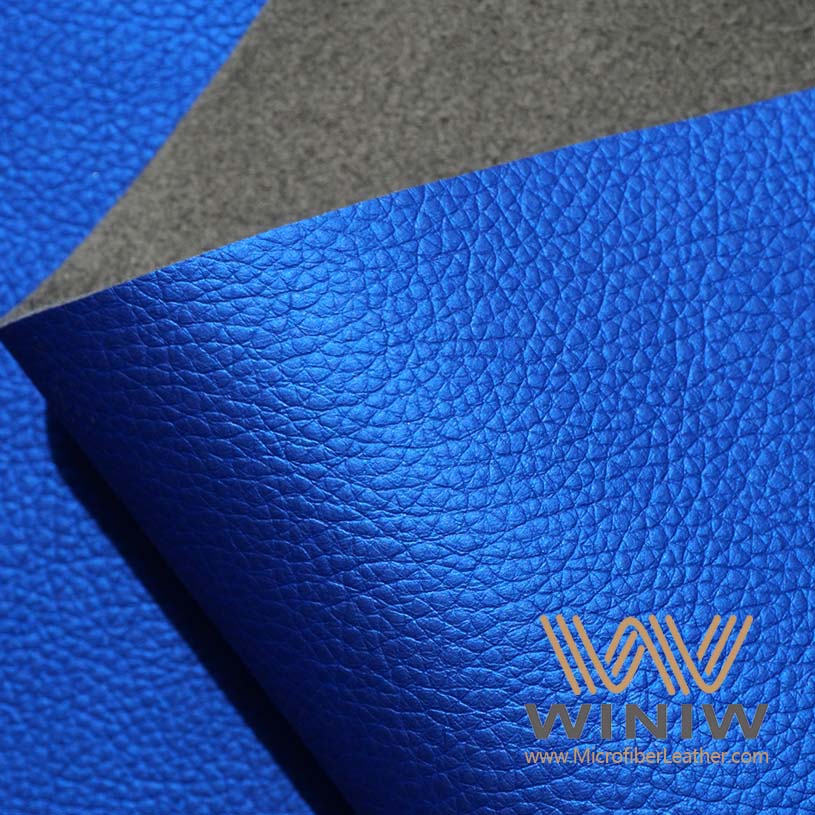
The years following World War II marked a turning point for the materials and methods used in patent leather production. Manufacturers began to move away from traditional linseed oil finishes and natural varnishes. They adopted new chemical processes and synthetic coatings, which allowed for faster production and greater consistency. This shift reflected broader trends in the fashion and textile industries, where innovation and efficiency became priorities.
Early patent leather relied on a foundation coat of lampblack mixed with linseed oil.
Craftsmen applied successive coats, drying and grinding between each layer.
The final varnish coat was baked in an oven to achieve a smooth, glossy finish.
The transition to synthetic materials enabled manufacturers to meet growing demand and expand their product lines. Patent leather became more accessible, no longer reserved for luxury markets.
Plastics and PU
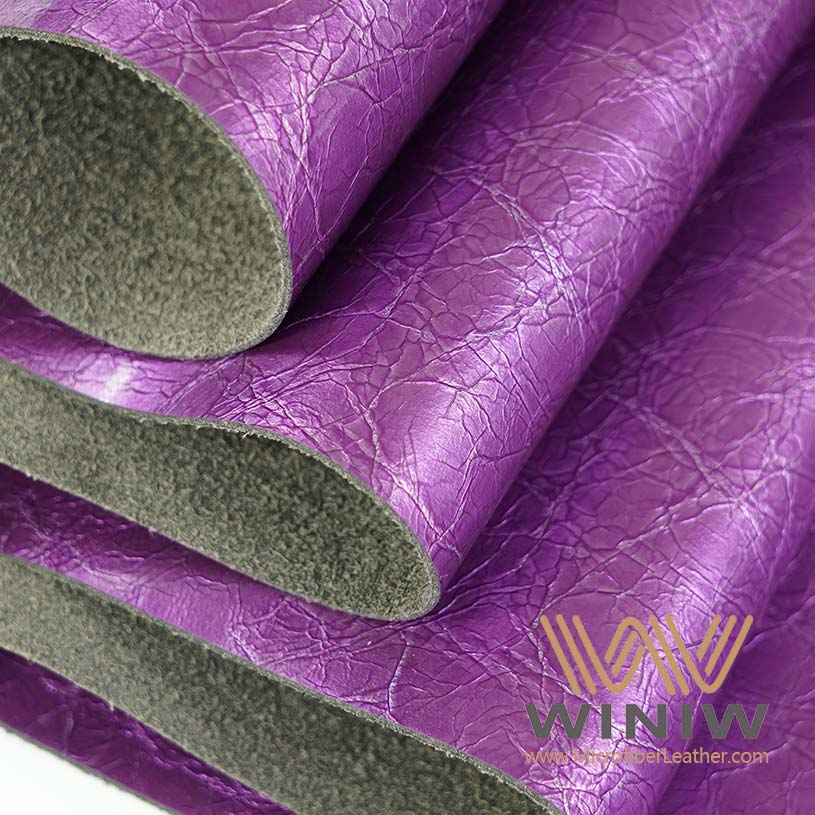
The introduction of plastics and polyurethane (PU) revolutionized the quality and characteristics of patent leather. Chemists and engineers developed new polymers that offered superior durability and shine. In 1937, German chemist Otto Bayer discovered polyurethane, a polymer that remains integral to modern patent leather manufacturing.
The late 19th and early 20th centuries saw the introduction of synthetic coatings, reducing production costs and increasing accessibility. A pivotal development occurred in 1937 when German chemist Otto Bayer discovered polyurethane, a polymer that remains integral to modern patent leather manufacturing.
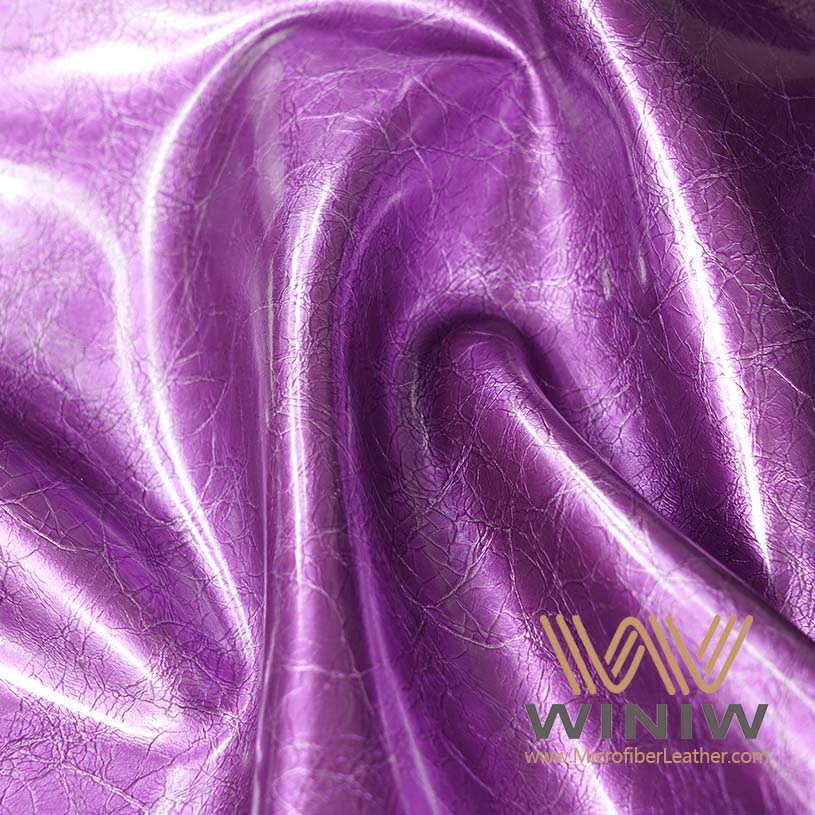
Manufacturers began to use PU and acrylic coatings to create the iconic glossy surface. These synthetic layers provided enhanced protection against water and scratches, making patent leather waterproof and easy to clean.
The patent coating serves a dual purpose: it not only gives patent leather its iconic look but also adds a protective layer. This synthetic coating fortifies the surface against water and scratches, making patent leather waterproof to a large extent and easy to clean.
The following table highlights significant milestones in the evolution of patent leather materials and manufacturing techniques:
|
Year |
Milestone Description |
|---|---|
|
1799 |
Edmund Prior invents the process for making patent leather, using dyes and boiled oil. |
|
1805 |
Mollersten patents a leather finishing technique with linseed oil and whale oil. |
|
1822 |
Patent leather appears commercially for the first time. |
|
1854 |
A patent describes varnish ingredients for patent leather production. |
|
1906 |
A European method of enamelled leather is described, detailing lampblack and varnish. |
|
20th Century |
Shift from linseed oil finishes to plastic polymers like polyurethane and acrylic. |
The use of plastics and PU transformed patent leather into a versatile material suitable for shoes, handbags, and accessories. Designers embraced these innovations, creating products that combined style with practicality.
Environmental Impact
The evolution of patent leather materials brought new challenges related to sustainability and environmental responsibility. The production of synthetic materials like polyurethane (PU) and polyvinyl chloride (PVC) is associated with significant environmental and health risks. These materials release toxic compounds and contribute to pollution during their production processes.
Artificial patent leather, while free from animal products, is made from nonrenewable materials such as PVC and PU, which are derived from fossil fuels. This contributes to greenhouse gas emissions and toxic waste, posing environmental challenges. Additionally, the production process is energy-intensive and involves hazardous chemicals, impacting workers and ecosystems.
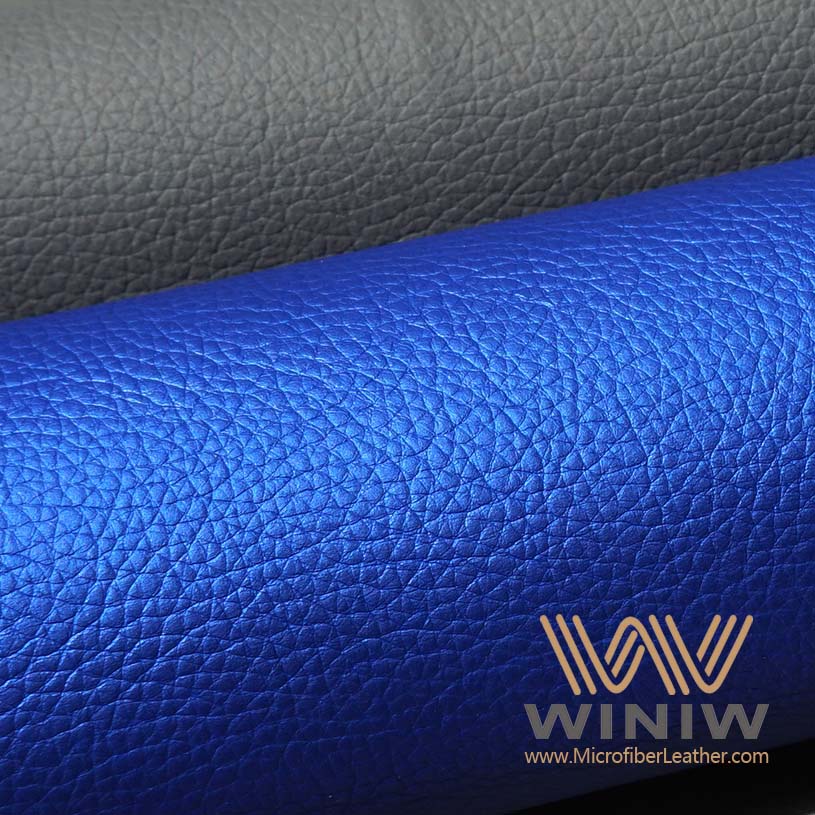
Although artificial patent leather does not use animal products, it is still produced from polluting materials like PVC and PU, which are linked to greenhouse gas emissions and other environmental issues. The production process can also be hazardous, affecting both the environment and human health.
The patent leather industry faces significant challenges related to sustainability and ethical sourcing, particularly due to the environmental impact of cattle ranching and the complexities of supply chain traceability.
Cattle supply chains are long and fairly opaque. Animals often move through several farms between birth and slaughter, making it hard to trace their origins and credibly verify the entire supply chain's full compliance.
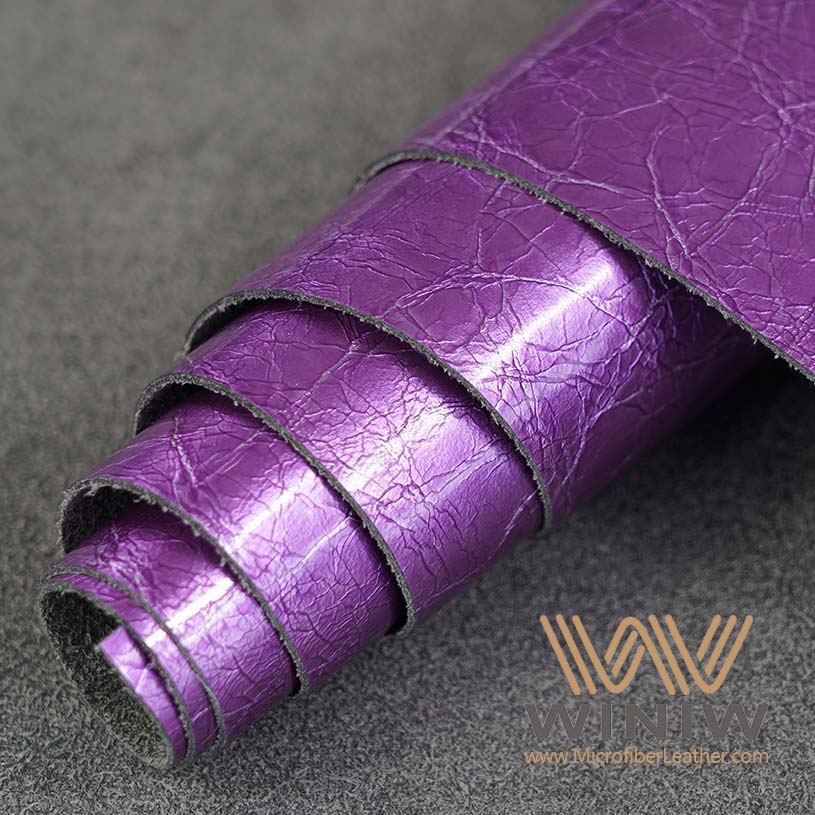
Manufacturers and brands continue to explore new solutions, seeking to balance the appeal of patent leather with responsible sourcing and production practices.
Manufacturing
Early Methods
Craftsmen in the 19th century relied on meticulous processes to create patent leather. They applied multiple coats of linseed oil-based lacquer to natural leather, which produced a glossy and waterproof surface. Seth Boyden pioneered this technique in 1818, setting the foundation for commercial production. By September 1819, manufacturers began producing patent leather on a larger scale, thanks to Boyden's successful treatments. The process required patience and skill, as each layer of lacquer needed to dry before the next application. The initial coatings played a crucial role in achieving the signature shine and durability that defined patent leather for formal wear.
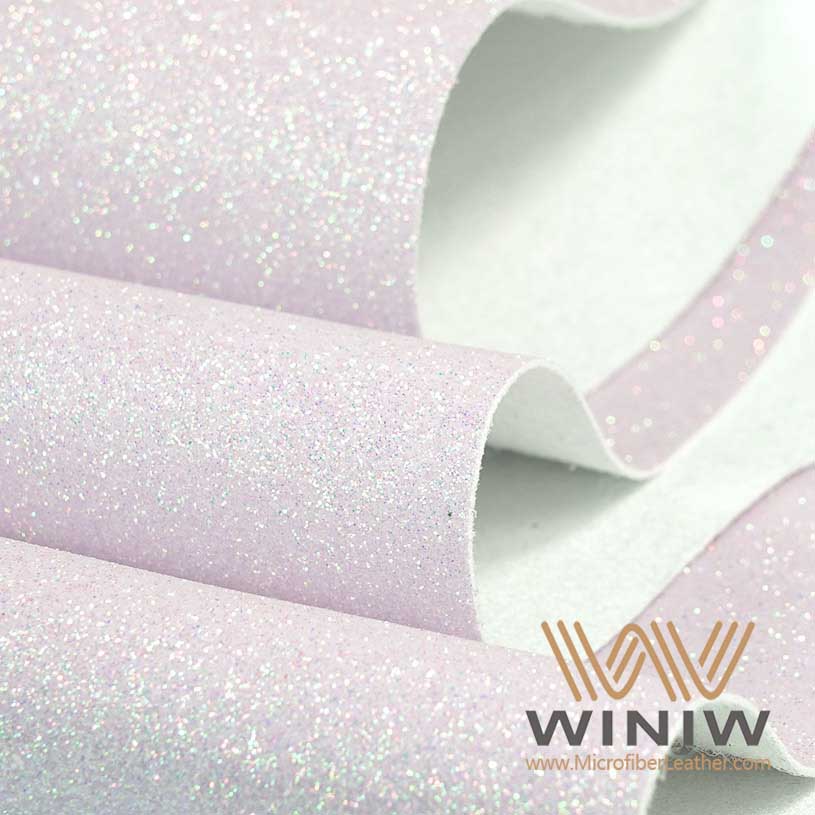
Multiple coats of linseed oil-based lacquer created the glossy finish.
Seth Boyden's invention marked the start of commercial patent leather production.
Early coatings ensured both durability and visual appeal.
As demand grew, manufacturers sought ways to streamline production. Synthetic coatings such as polyurethane and acrylic began to replace linseed oil by the late 19th and early 20th centuries. These innovations improved efficiency and consistency, making patent leather more accessible.
Modern Techniques
Recent decades have seen remarkable advancements in patent leather manufacturing. The introduction of synthetic materials like polyurethane transformed the industry. These modern coatings replaced traditional varnishes, offering greater flexibility and durability. Manufacturers now use automated systems to apply coatings, ensuring uniform shine and reducing labor costs. Technologies such as 3D printing and bio printing allow for custom textures and patterns, expanding design possibilities.
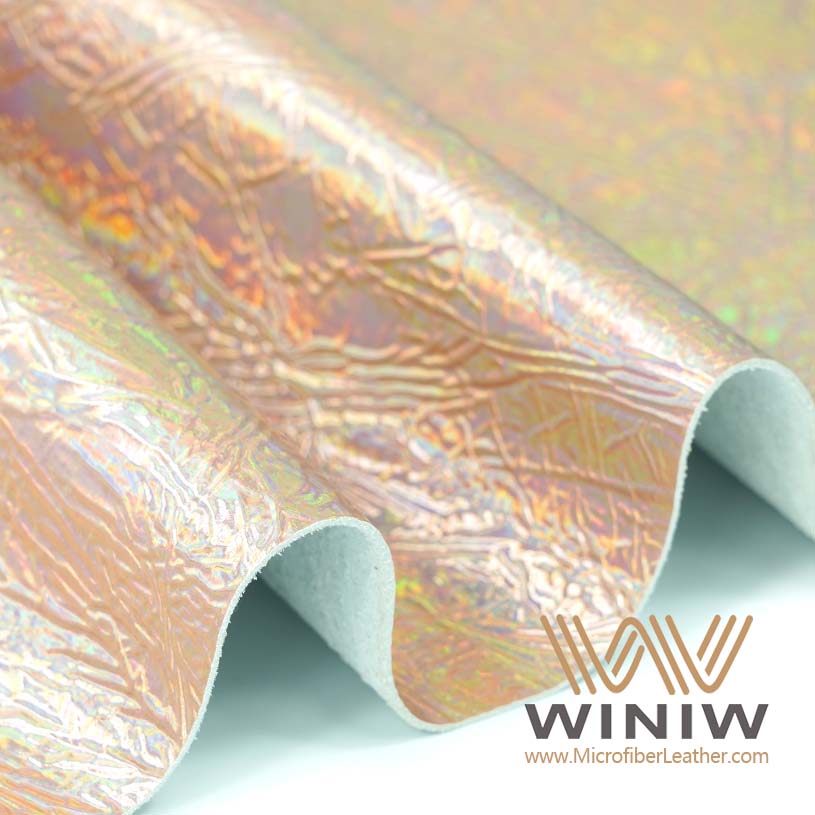
Smart technologies enhance quality control and minimize waste. Bio fabricated materials, including mycelium leather, provide sustainable alternatives. Mycelium leather is carbon-neutral, biodegradable, and strong, generating minimal waste during production. These innovations reflect a commitment to environmental responsibility and product quality.
|
Innovation Type |
Environmental Impact Reduction |
Chromium Loss Reduction |
Water Consumption Reduction |
|---|---|---|---|
|
Conventional Process |
N/A |
>33 g/m2 |
N/A |
|
Innovative Process (Drums) |
Up to 53% |
8 g/m2 |
N/A |
|
Innovative Process (Spray Nozzles) |
Up to 57% |
5 g/m2 |
N/A |
|
Innovative Process (Aerosol Rooms) |
Up to 29% |
1 g/m2 |
N/A |
Durability
Manufacturers design patent leather to withstand daily use while maintaining its glossy appearance. Modern coatings, especially polyurethane, provide enhanced resistance to water, scratches, and stains. The protective layer preserves the shape and shine of shoes, handbags, and accessories over time. Mycelium leather offers additional durability, combining strength with flexibility and minimal environmental impact.
Patent leather remains a preferred choice for those seeking style and longevity. Innovations in manufacturing continue to improve both the quality and sustainability of this iconic material.
Patent Leather vs. Full-Grain
Durability
Patent leather and full-grain leather both offer impressive durability, but they excel in different environments. Patent leather features a synthetic coating that resists water and scratches. This protective layer helps shoes, handbags, and accessories maintain their shape and shine over time. Full-grain leather, crafted from the top layer of the hide, boasts natural strength and flexibility. It develops a unique patina with age, which many enthusiasts value for its character.
A comparison table highlights key differences:
|
Feature |
Patent Leather |
Full-Grain Leather |
|---|---|---|
|
Water Resistance |
High |
Moderate |
|
Scratch Resistance |
High |
Moderate |
|
Aging |
Maintains glossy finish |
Develops patina |
|
Flexibility |
Moderate |
High |
Manufacturers design patent leather for formal occasions and frequent use. Full-grain leather suits everyday wear and adapts to changing conditions. Both materials provide longevity when cared for properly.
Style
Patent leather stands out in luxury fashion due to its striking look and glossy finish. Designers favor it for its ability to reflect light, which enhances visual appeal and creates a sense of chic sophistication. Shoes, handbags, and belts made from patent leather often serve as statement pieces in both classic and modern wardrobes.
Full-grain leather offers a more understated elegance. Its natural texture and subtle sheen appeal to those who appreciate timeless style. Over time, full-grain leather develops a rich patina, adding depth and character to each item. Consumers often choose full-grain leather for its versatility and ability to complement a wide range of outfits.
Patent leather's mirror-like surface draws attention and elevates any ensemble. Full-grain leather's organic finish provides warmth and authenticity.
Care
Proper care ensures both patent leather and full-grain leather retain their beauty and durability. Each material requires specific maintenance routines to preserve its unique qualities.
Use leather-specific cleaners and conditioners for both types of leather.
Regularly clean off dirt and moisture to maintain the appearance.
Apply conditioner to keep the leather flexible and prevent drying out.
Proper storage and timely repairs are essential for longevity.
Patent leather benefits from gentle wiping with a damp cloth to remove smudges and maintain its shine. Full-grain leather requires conditioning to prevent cracking and to support the development of a natural patina. Owners who follow recommended care practices extend the lifespan of their leather goods and keep them looking their best.
Today's Appeal
Fashion Trends
Fashion capitals such as Paris, Milan, and New York continue to spotlight patent leather in designer collections. Designers present patent leather in a variety of forms, including sleek trench coats, tailored blazers, and edgy skirts. These pieces demonstrate the versatility of the material and its ability to adapt to both classic and modern styles. Street style influencers also embrace patent leather, incorporating it into everyday outfits with biker jackets and moto boots. The glossy finish of patent leather catches the eye and adds a sophisticated touch to both formal and casual ensembles. This enduring popularity reflects the material's ability to remain relevant as trends evolve.
The Real Leather Company
The Real Leather Company stands out for its dedication to quality and craftsmanship in every patent leather product. The brand selects premium materials and applies advanced manufacturing techniques to ensure each item meets high standards. Their collection features shoes, handbags, and belts that showcase the signature shine and durability of patent leather. The company's commitment to excellence preserves the legacy of this iconic material while responding to the needs of contemporary consumers. Customers trust The Real Leather Company for products that combine style, longevity, and practicality.
Care Tips
Maintaining the shine and longevity of patent leather requires attention to detail and proper care. Experts recommend several practical steps:
Store patent leather items in dust bags or soft cotton covers to prevent scuffing.
Avoid plastic bags, which trap moisture and can cause damage.
Ensure proper storage with breathing room to prevent scratches.
Maintain stable room temperature and moderate humidity to protect the material.
Wipe patent leather clean with a damp cloth for everyday care.
Use a specialized patent leather polish to restore shine and remove surface scuffs.
Brush off dirt with a soft brush, avoiding hard bristles.
Mix lukewarm water with mild liquid soap for gentle cleaning.
Apply patent leather cleaner with a microfiber cloth in circular motions.
Buff the surface with a dry towel after cleaning.
Tip: Regularly check for dirt and clean promptly to avoid buildup. Consistent care helps patent leather retain its glossy appearance and ensures products remain in excellent condition.
Seth Boyden introduced patent leather in the early 19th century, making it a symbol of luxury with its high-gloss finish.
The Victorian era saw its rise in practical footwear and accessories due to water resistance.
The 20th century brought plastic polymers, improving durability and shine.
The 1960s and 1970s established patent leather as a fashion staple.
Today, leading brands and companies like The Real Leather Company keep this material relevant in luxury collections.
Patent leather continues to impress with its timeless style and unmatched versatility.

FAQ
What makes patent leather different from regular leather?
Patent leather features a glossy, mirror-like finish created by applying a synthetic coating. This process gives it a distinct shine and water resistance, setting it apart from traditional leather.
How should someone clean patent leather products?
Wipe the surface gently with a damp microfiber cloth. For stubborn marks, use a specialized patent leather cleaner. Avoid harsh chemicals and store items in breathable dust bags.
Can patent leather be used for everyday accessories?
Designers use patent leather for shoes, handbags, belts, and jackets. Its durability and shine make it suitable for both daily wear and special occasions.
Is patent leather waterproof?
Patent leather resists water due to its synthetic coating. While it protects against moisture, prolonged exposure to water may affect the finish. Quick drying helps maintain its appearance.
Who invented patent leather?
Seth Boyden developed the first commercial patent leather in America in 1818. He used linseed oil-based lacquer to achieve the iconic glossy surface.
Does patent leather crack over time?
Patent leather remains durable with proper care. Avoid bending or folding items sharply. Store products in cool, dry places to prevent cracking and preserve the glossy finish.
What products does The Real Leather Company offer in patent leather?
The Real Leather Company offers shoes, handbags, and belts crafted from premium patent leather. Each product combines style, durability, and expert craftsmanship.
How can someone restore shine to patent leather?
Apply a patent leather polish with a soft cloth. Buff the surface gently in circular motions. Regular maintenance keeps the material looking vibrant and new.
You Might Also Like
-

DMF Free PU Leather Shoe Lining Material
-

Soft And Smooth Synthetic Car Leather Material
-

Excellent Abrasion Performance Faux Large Chamois Leather...
-

Recycled Bio-Based Vinyl For Car Seats
-

High End Synthetic Micro Fiber Leather PU Automotive Mate...
-

Synthetic Material Upholstery Sofa Imitation Leather Fabric