


Microfiber Safety Shoes Made Easy With These Tips
Jan 28, 2026


You want microfiber safety shoes that are comfy and look nice. They should also protect you. Here is what you should look for:
certified slip resistance so you do not slip
certified toe room so your toes do not hurt
certified and reliable ppe so you feel safe
Remember, safety shoes are important. Pick certified shoes for true safety.
Key Takeaways
Choose safety shoes that meet your job's specific safety needs. Look for features like slip resistance and toe protection to stay safe at work.
Ensure a proper fit for maximum comfort. Measure your feet and try on shoes at the end of the day to find the best size and support.
Select shoes from trusted brands with good user reviews. This helps guarantee safety, comfort, and durability for your work environment.
Identify Job Safety Needs
Assess Workplace Hazards
Look at your work area before picking shoes. Every job has its own risks. Some jobs have wet floors. Some jobs have sharp tools or big machines. You need safety shoes to protect you from these dangers. Here is a table that shows what microfiber safety shoes can do for you:
|
Safety Feature |
Description |
|---|---|
|
Slip Resistance |
Helps you stay standing on dry, wet, or oily floors. |
|
Electrical Hazard |
Protects you from open electrical currents up to 600 volts. |
|
Waterproof Protection |
Keeps your feet dry with a waterproof layer, even if you work with spills or liquids. |
Always check your work area for these dangers. This helps you pick the right safety shoes for full protection.
Know Safety Standards
Make sure your shoes meet the right safety standards. Look for labels like ASTM, EN ISO, or ANSI. These labels mean your shoes passed hard tests for safety. Many jobs need shoes with these labels for full protection. If your job has many rules, check for these marks. This keeps you safe and helps you follow the rules at work.
Here is a quick look at what different industries need:
|
Industry |
Requirements |
|---|---|
|
Healthcare |
Toe protection, slip resistance, safety standards |
|
Chemicals & Materials |
Toe protection, puncture resistance, safety standards |
|
Machinery & Equipment |
Toe protection, slip resistance, safety standards |
|
Energy & Power |
Toe protection, slip resistance, safety standards |
|
Aerospace & Defense |
Toe protection, slip resistance, safety standards |
|
Food & Beverages |
Toe protection, slip resistance, safety standards |
|
Agriculture |
Toe protection, slip resistance, safety standards |
|
Automotive & Transportation |
Toe protection, slip resistance, safety standards |
|
Construction |
Toe protection, slip resistance, puncture resistance, safety standards |
Match Job-Specific Requirements
Each job is different. You need shoes that fit your work. If you work in construction, you need steel toes to protect from heavy things. If you work in healthcare, you want light shoes with slip resistance for long hours. Your job tells you what protection you need. Always think about what you do each day. This helps you get the right shoes for safety and comfort at work.
Tip: Ask your boss or safety manager if you are not sure what shoes you need. They can help you choose the best shoes for your job.
Key Features of Microfiber Safety Shoes
Material Quality and Breathability
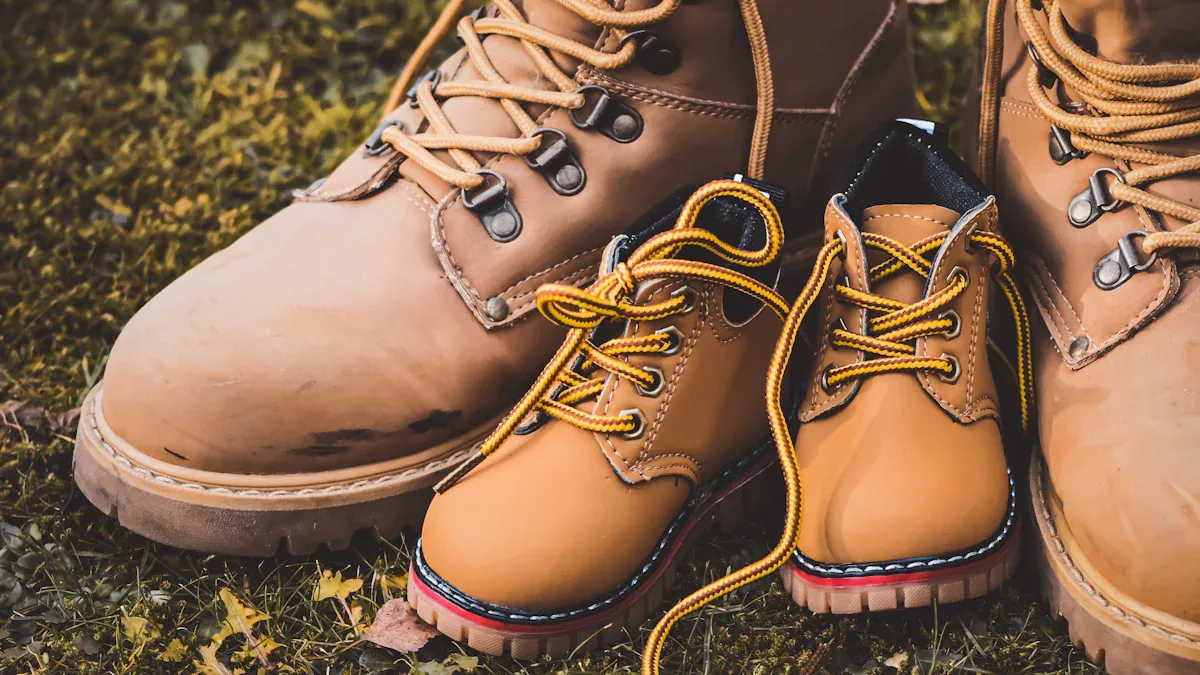
Microfiber safety shoes help keep your feet cool. The shoes use tiny fibers to make a mesh. This mesh lets air move around your feet. Your feet stay dry and comfy all day. Microfiber is softer than other materials. You do not need to break in these shoes. They feel good right away.
Microfiber safety shoes are light and easy to wear. You will not feel heavy.
The mesh lets sweat out and stops bacteria from growing.
Microfiber is strong like leather but lighter and bends more.
Here is a table that shows how microfiber compares to other materials:
|
Property |
Microfiber |
Leather |
Synthetic (PU/PVC) |
|---|---|---|---|
|
Breathable |
Excellent |
Good (needs break-in) |
Fair to Good |
|
Comfort |
High |
Medium to High |
Medium |
|
Weight |
Lightweight |
Heavier |
Lightweight |
|
Durability |
High |
High |
Medium |
Microfiber safety shoes are tough, light, and let your feet breathe. Many workers pick them for good protection at work.
Slip-Resistant Outsoles
Slip-resistant shoes help you stay safe at work. Microfiber safety shoes have outsoles that grip the floor. They work even on wet or oily floors. These outsoles help stop falls and slips. Many jobs want shoes with slip-resistant outsoles.
Slip-resistant outsoles are tested for real dangers.
You get extra protection from slips and trips.
Traction and penetration resistance are important for risky jobs.
If you work in kitchens or factories, you need slip-resistant outsoles. They help you walk safely every day.
Toe Protection Options
Your toes need protection from heavy things. Microfiber safety shoes have different toe protection choices. You can pick steel, composite, or aluminum toes. Each type meets safety rules.
Here is a table that shows the main toe protection standards:
|
Standard |
Description |
|---|---|
|
ASTM F2413 |
Protects against impacts and crush hazards in work shoes. |
|
ASTM F2412 |
Tests how well shoes handle impacts. |
|
CE Standards |
Checks for specific safety features, including toe protection. |
Look for shoes with enough toe room. About 12.5 mm is good. This keeps your toes safe and comfy. Composite toes are light and easy to wear.
Waterproof and Puncture Resistance
Many jobs have wet floors and sharp things. Microfiber safety shoes often have waterproof layers. These keep your feet dry in rain or spills. Some shoes use special layers for extra waterproofing.
Waterproof shoes are great for plumbing or food jobs.
Puncture-resistant midsoles protect you from nails or glass.
These midsoles use steel or strong synthetic materials.
You can trust your shoes to keep water and sharp things out. That means you stay safe.
Cushioning and Weight
You stand for hours at work. Microfiber safety shoes help your feet feel good. They use special cushioning to absorb shock. Your feet get support all day.
Light shoes help you feel less tired.
Cushioning keeps your feet comfy on hard floors.
You get shoes that are light, comfy, and safe.
Microfiber safety shoes give you comfort and protection together.
Durability Factors
You want shoes that last a long time. Microfiber is very strong. It does not tear or wear out fast. The shoes keep their shape and protect your feet.
Microfiber safety shoes resist scuffs and damage.
The shoes stay strong, even in hard jobs.
You get shoes that are light, breathable, and last long.
Microfiber safety shoes are a smart pick. They give you safety, comfort, and durability for work.
Comfort and Fit in Safety Footwear


You spend a lot of time in your safety footwear. You want maximum comfort every day. If your shoes do not fit well, your feet will hurt. You might even get blisters or sore spots. Good safety footwear gives you comfort, support, and protection. Let's look at what you need for the best fit.
Proper Sizing and Toe Room
You need the right size for your safety footwear. Shoes that are too tight squeeze your toes. Shoes that are too loose can slip off your feet. Always measure your feet before you buy new footwear. Try on both shoes. Walk around the store. Make sure your toes have enough room. About 12.5 mm of space in the toe box gives you comfort and protection. This space helps your toes move and keeps them safe from bumps.
Tip: Try on safety footwear at the end of the day. Your feet swell a little after walking. This helps you find the best fit.
If you wear thick socks, bring them when you try on new footwear. You want to check the fit with the socks you use at work. Good fit means you get comfort and safety all day.
Arch and Heel Support
Your feet need support in the right places. The arch and heel are important for comfort. Safety footwear with good arch support helps your feet stay strong. You will not feel tired as fast. Heel support keeps your foot in place. You will not slip inside your shoes.
Look for ergonomic designs in your safety footwear. These shoes follow the shape of your foot. You get maximum comfort and support. If you have flat feet or high arches, you need special support. Some safety footwear has removable insoles. You can add your own arch support if you need it.
Here is a quick table to help you check for support:
|
Feature |
Why It Matters |
|---|---|
|
Arch Support |
Reduces foot pain and fatigue |
|
Heel Support |
Stops slipping and gives stability |
|
Ergonomic Shape |
Follows your foot for comfort |
You want safety footwear that gives you comfort and support every step.
Insole Quality
The insole is the part your foot touches inside the shoe. Good insoles give you comfort and support. They help with shock absorption. This means your feet do not hurt after a long day. Some safety footwear comes with memory foam insoles. These insoles shape to your foot for maximum comfort.
You can also buy special insoles for extra support. Look for insoles that are breathable. This keeps your feet dry and cool. If your safety footwear has removable insoles, you can wash or replace them. Clean insoles help with comfort and foot health.
Note: Check user reviews to see what people say about insole comfort. Real feedback helps you pick the best safety footwear.
Break-In Tips
New safety footwear can feel stiff at first. You want to break them in for comfort and fit. Wear your new shoes for short times at home. Walk around and let your feet get used to them. You can wear thick socks to help stretch the shoes. Bend and flex the shoes with your hands. This helps soften the material.
If your safety footwear still feels tight, try using a shoe stretcher. Do not rush the break-in process. Take your time for maximum comfort. After a few days, your shoes will fit better. You will get the support and protection you need.
Remember: Comfort and fit matter as much as safety. Happy feet help you work better.
Choosing the Best Safety Shoes
Brand Reputation
You want to trust the brand when you buy safety shoes. Well-known brands often test their shoes for safety and hygiene. They use strong materials and follow strict rules. You can check if the brand has awards or certifications. Many workers pick brands that have a good name for making the best safety shoes. If you see a brand in many workplaces, that's a good sign. Ask your coworkers which shoes they like for safety and hygiene.
Warranty and Returns
Warranty and return policies matter when you choose safety shoes. You want to know you can return shoes if they do not fit or have problems. Cat Footwear gives you a warranty against defects. If you find a problem, you can get a refund or exchange. This makes you feel safe when you buy new shoes. Always read the warranty before you buy. Good brands stand behind their safety shoes and care about your hygiene.
User Reviews and Value
User reviews help you pick the best safety shoes. You can read what other workers say about comfort, hygiene, and safety. Look for reviews on independent sites. Sometimes, brands say their shoes are great, but real users tell the truth. You want shoes that last, feel good, and keep your feet safe. Reviews show if shoes help with hygiene and stand up to tough jobs.
Tip: Check for reviews that mention hygiene and safety. These are key for the best safety shoes.
Price Considerations
Price matters, but safety and hygiene come first. Cheap shoes may not protect you or last long. The best safety shoes cost more, but they give you better hygiene and safety. Make a list of what you need. Compare prices and features. Sometimes, you pay a little more for shoes that keep you safe and healthy at work.
|
Feature |
Why It Matters |
|---|---|
|
Safety |
Protects your feet |
|
Hygiene |
Keeps feet healthy |
|
Value |
Worth the price |
You want shoes that balance price, safety, and hygiene. Pick the best safety shoes for your needs.
You can pick the right microfiber safety shoes by following these steps:
Check your job's safety needs.
Look for comfort and fit.
Choose shoes with trusted certifications.
Read real user reviews.
Stay safe and comfortable. Make smart choices for your feet every day!


FAQ
How do I clean microfiber safety shoes?
You can wipe them with a damp cloth. For tough dirt, use mild soap and water. Let them air dry. Avoid harsh chemicals.
Can I wear microfiber safety shoes in the rain?
Yes, you can. Most microfiber safety shoes have waterproof layers. Your feet stay dry during wet weather or spills.
Do microfiber safety shoes last as long as leather ones?
Microfiber shoes last a long time if you care for them. They resist scuffs and tears. Many workers say they last as long as leather.
You Might Also Like
-

MicroFiber Suede Microsuede Amara Leather For Gloves
-

Waterproof Leather Fabric Pu Faux Microsuede Leather
-

Recycled Water-Based Leather Sofa Leather
-

Anti Moth PU Vegan Leather Faux For Auto Headliners Mater...
-

Firm Chemical Resistant Tan Leather For Automobile
-

Microfiber Artificial Leather Base For Reinforcement Mate...