


Microfiber PU Sofa Or Leather, Which Lasts Longer?
Dec 22, 2025


Leather sofas typically outlast microfiber PU sofa models, especially when maintained well. Longevity matters because buyers want their sofa to maintain comfort and appearance over time. Households with pets or children often prioritize durability and easy care. Choosing the right sofa material can impact daily living, cleaning routines, and overall satisfaction. Every buyer should assess personal habits and lifestyle before making a decision.
Key Takeaways
Leather sofas typically last 15 years or more with proper care, making them a long-term investment.
Microfiber PU sofas last between 5 to 10 years, offering a practical choice for families with children or pets.
Regular maintenance is crucial for both sofa types; neglect can lead to premature wear and damage.
Microfiber PU is waterproof and easy to clean, making it ideal for busy households.
Leather develops a unique patina over time, enhancing its character and appeal.
Consider your household environment when choosing a sofa; durability and ease of cleaning are key factors.
Evaluate the total cost of ownership, including maintenance, to understand the true value of your sofa choice.
Both microfiber PU and leather have unique advantages; choose based on your lifestyle, budget, and personal preference.
Durability of Microfiber PU Sofa vs Leather
Microfiber PU Sofa Lifespan
Years of Use
A microfiber PU sofa offers a practical solution for many households. Most models last between 5 and 10 years, depending on usage and care. The synthetic construction of PU and microfiber fabric creates a tight weave that resists daily wear. This makes the sofa a strong choice for families with children or pets. The waterproof qualities of PU help prevent liquid stains from penetrating the surface, which extends the lifespan of the sofa. Many busy households appreciate how a microfiber PU sofa maintains its appearance with minimal effort.
Signs of Wear
Over time, a microfiber PU sofa may show signs of wear such as surface peeling, fading, or loss of texture. Unlike natural leather, PU does not develop a patina. Instead, the top layer may crack or flake after years of heavy use. Stains can sometimes set in if not cleaned promptly, but the material generally resists most spills. Regular cleaning with a damp cloth helps preserve the look of the sofa. Households that prioritize a durable sofa fabric often choose microfiber PU for its abrasion resistance and easy maintenance.
Leather Sofa Lifespan
Expected Longevity
Leather sofas stand out for their exceptional durability. Full-grain and top-grain leather sofas often last 15 years or more with proper care. The natural fibers in leather create a strong, flexible surface that resists tearing and stretching. Many buyers consider leather the gold standard among sofa materials for longevity. Leather sofas also resist most stains and can be wiped clean with a soft cloth. However, they require regular conditioning to prevent drying and cracking.
Aging and Patina
Leather develops a unique patina as it ages. This natural process enhances the appearance of the sofa, giving it character and depth. Unlike microfiber PU, leather does not peel or flake. Instead, it softens and gains a rich sheen over time. Some owners value this aging process, seeing it as a sign of quality. However, leather can fade or become brittle if exposed to direct sunlight or extreme temperatures. Proper placement and care routines help maximize the lifespan of a leather sofa.


Other Sofa Materials
Fabric Sofas
Fabric sofas use a variety of sofa fabrics, including cotton, linen, and polyester blends. These types of sofa materials offer comfort and a wide range of colors and patterns. However, fabric sofas tend to absorb stains more easily than leather or microfiber PU. Treated fabrics with stain-resistant coatings provide better protection, but most fabric sofas last 5 to 8 years with regular use. Frequent cleaning is necessary to maintain their appearance.
Faux Leather Sofas
Faux leather sofas mimic the look of real leather but use synthetic materials. These sofas cost less than genuine leather and resist stains to some extent. However, faux leather often cracks or peels after a few years, especially in high-traffic areas. Most faux leather sofas last 3 to 5 years before showing significant wear. They offer a budget-friendly option but lack the durability of leather or microfiber PU.
Wooden or Rattan Sofas
Wooden and rattan sofas use natural materials for frames and seating surfaces. These types of sofa materials provide a unique aesthetic and can last for decades if maintained properly. However, the comfort level depends on the type of sofa fabrics used for cushions. Wooden and rattan sofas resist stains but may suffer from scratches or dents. Regular dusting and occasional polishing help preserve their appearance.
Tip: When choosing a sofa material, consider the household environment. Busy homes with kids or pets benefit from the abrasion resistance and waterproof qualities of microfiber PU sofas. Those seeking a long-lasting, classic look may prefer leather.
|
Sofa Material |
Typical Lifespan |
Stain Resistance |
Maintenance Level |
Notable Features |
|---|---|---|---|---|
|
Microfiber PU Sofa |
5-10 years |
High |
Low |
Waterproof, abrasion-resistant |
|
Leather Sofa |
15+ years |
High |
Moderate |
Develops patina, luxury appeal |
|
Fabric Sofa |
5-8 years |
Moderate |
High |
Soft, many color options |
|
Faux Leather Sofa |
3-5 years |
Moderate |
Low |
Budget-friendly, less durable |
|
Wooden/Rattan Sofa |
10+ years |
High |
Moderate |
Natural look, sturdy frame |
Microfiber PU sofas combine the benefits of microfiber and PU, creating a durable sofa fabric that stands up to daily life. Leather sofas offer unmatched longevity and a timeless look. Other sofa materials provide different advantages, but may not match the durability or ease of cleaning found in microfiber PU or leather options. When comparing types of sofa fabrics, buyers should weigh durability, maintenance, and lifestyle needs to find the best fit.
Factors That Affect Sofa Longevity
Wear and Tear Resistance
Scratch and Stain Resistance
Sofa materials face different challenges in busy homes. Microfiber PU sofa models resist scratches from pets and children due to their tight weave and synthetic surface. Leather sofas offer strong resistance to stains and scratches, but sharp objects can still leave marks. Households with pets or young children often see more rapid wear on softer sofa fabrics. Types of sofa fabrics like cotton or linen may absorb stains quickly, requiring immediate cleaning to prevent permanent damage.
Sagging and Cracking
Sagging and cracking affect the durability of any sofa. High-density foam cushions and solid hardwood frames help prevent sagging over time. Microfiber PU sofas rarely crack unless exposed to extreme conditions or heavy use. Leather sofas can develop cracks if not conditioned regularly, especially in dry environments. Build quality plays a major role in how well a sofa resists these issues.
Tip: Regularly rotate cushions and avoid sitting in the same spot to extend the life of any sofa material.
Maintenance and Cleaning
Care Routines for Microfiber PU
Microfiber PU sofa owners benefit from easy cleaning routines. The surface repels dust and pet hair, making maintenance simple. A damp cloth removes most dirt, while vacuuming keeps the fabric fresh. Regular cleaning preserves the fabric's integrity and prevents discoloration. Spills should be wiped up quickly to avoid seepage into the padding.
Care Routines for Leather
Leather sofas require more attention to maintain their appearance and flexibility. Owners should clean high-contact areas such as arms and headrests. Applying a small amount of leather conditioner every three to six months prevents cracking and keeps the material supple. Buffing the surface after conditioning helps restore shine. Spot testing ensures that conditioners do not damage the leather.
Impact of Neglect
Neglecting regular maintenance shortens the lifespan of both microfiber PU and leather sofas. Dirt accumulation grinds down fabric fibers, leading to visible wear. Spills that are not cleaned promptly can seep into the sofa, causing odors and structural damage. Consistent cleaning routines protect all sofa materials from premature aging.
Environmental Factors
Humidity and Temperature
Environmental factors play a significant role in sofa longevity. High humidity causes microfiber and leather to absorb moisture, which can lead to stiffening and cracking. Low humidity makes these materials brittle and less flexible. Temperature fluctuations worsen these effects, especially when combined with poor maintenance.
Sunlight and UV Exposure
Direct sunlight and UV exposure can fade sofa fabrics and dry out leather surfaces. Placing a sofa away from windows or using protective covers helps prevent fading and cracking. Owners should consider room placement and lighting when choosing a sofa material to maximize its lifespan.
Note: Choosing the right sofa material and following proper care routines ensures long-lasting comfort and appearance, even in homes with pets, children, or frequent guests.
Real-World Sofa Performance
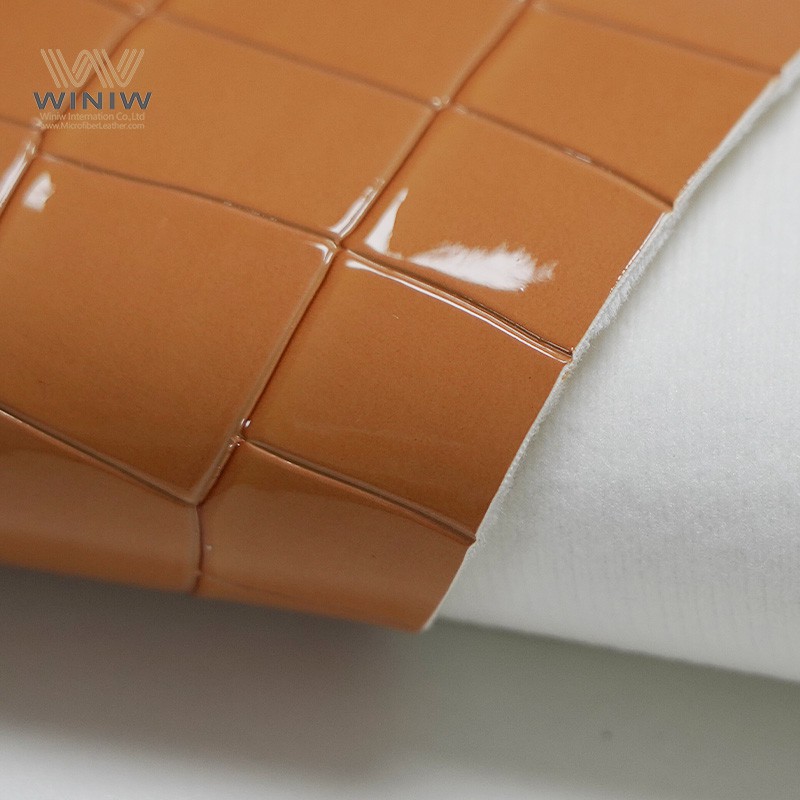

User Experiences
Microfiber PU Sofa Feedback
Many users report that a microfiber pu sofa performs well in active households. Families with children or pets often praise its resistance to stains and ease of cleaning. Owners find that the surface repels most spills, which reduces the risk of permanent marks. Some users mention that the sofa maintains its color and texture for several years, even with daily use. However, a few note that the material can feel less breathable than natural fabrics. Most agree that the sofa offers a practical balance between durability and affordability.
Leather Sofa Feedback
Leather sofa owners frequently highlight the material's luxurious feel and classic appearance. Many appreciate how the sofa develops a unique patina over time, which adds character. Users often mention that leather resists most stains and can be wiped clean with minimal effort. Some families with pets notice minor scratches, but these usually blend into the surface as the leather ages. Several owners value the long lifespan, stating that their sofa remains comfortable and attractive for over a decade.
Common Issues
Microfiber PU Sofa Problems
Some users experience peeling or cracking on the surface of their microfiber pu sofa after several years. This issue often appears in high-traffic areas, such as seat cushions and armrests. Others report that the sofa may lose its original sheen, especially if exposed to direct sunlight. While the material resists most stains, it can absorb oils from skin or hair, leading to discoloration over time. Regular cleaning helps prevent these problems, but neglect can shorten the sofa's lifespan.
Leather Sofa Problems
Leather sofas, while durable, face their own challenges. Owners sometimes notice fading or drying if the sofa sits near a window or heat source. Without regular conditioning, the leather may crack or stiffen. Some users find that pet claws or sharp objects leave visible marks. Although these scratches often become less noticeable as the leather ages, they can affect the sofa's appearance. Proper care routines remain essential for maintaining the material's quality.
Warranties and Guarantees
Typical Warranty Periods
Manufacturers usually offer warranties for both microfiber and leather sofas. Most microfiber pu sofa warranties range from one to five years, covering defects in materials or workmanship. Leather sofa warranties often extend from five to ten years, reflecting the material's expected longevity.
Coverage Details
Warranty coverage typically includes issues like frame defects, seam separation, or premature peeling. However, most warranties exclude damage from misuse, neglect, or normal wear and tear. Some brands offer extended protection plans for an additional fee. Buyers should review warranty terms carefully to understand what repairs or replacements the manufacturer will provide.
Note: A strong warranty can add peace of mind when investing in a new sofa. Always keep purchase records and follow care instructions to maintain coverage.


Cost and Value Over Time
Initial Cost vs Longevity
Price Breakdown
When buyers compare sofa options, price often becomes a deciding factor. Microfiber PU sofas usually cost less than leather sofas. Entry-level microfiber PU sofas start at a few hundred dollars, while premium models can reach $1,000. Leather sofas, especially those made from full-grain or top-grain leather, command higher prices. Many leather sofas range from $1,500 to over $3,000. The cost reflects the quality of the sofa material, craftsmanship, and expected lifespan.
|
Sofa Type |
Typical Price Range |
Expected Lifespan |
|---|---|---|
|
Microfiber PU Sofa |
$300 - $1,000 |
5-10 years |
|
Leather Sofa |
$1,500 - $3,000+ |
15+ years |
Buyers should also consider the cost of maintenance. Microfiber PU sofas require minimal upkeep, which keeps ongoing expenses low. Leather sofas need regular conditioning and cleaning products, adding to the total investment over time.
Long-Term Value
A sofa represents a long-term purchase for most households. Microfiber PU sofas offer excellent value for families who want durability without a high upfront cost. The waterproof and abrasion-resistant qualities of PU help the sofa maintain its appearance for years. However, leather sofas deliver greater longevity. Many owners keep a leather sofa for decades, making the higher initial price worthwhile. The development of a patina and the enduring comfort of leather add to its long-term value.
Tip: Calculate the annual cost of ownership by dividing the price by the expected years of use. This method helps buyers see the true value of each sofa material.
Value for Money
When to Choose Microfiber PU Sofa
A microfiber PU sofa suits buyers who prioritize affordability, easy maintenance, and resilience. Households with children or pets benefit from the stain resistance and simple cleaning routines. The tight weave of the high-quality fabric repels dust and pet hair, making it ideal for busy environments. Those who want a modern look without a significant investment often select this type of sofa. Microfiber PU sofas also appeal to renters or anyone who plans to update their furniture within a decade.
When to Choose Leather Sofa
A leather sofa works best for buyers seeking a long-lasting, classic piece. The natural durability of leather and its ability to develop a rich patina make it a favorite among those who value tradition and luxury. Leather resists most stains and ages gracefully, especially when cared for properly. Households without young children or pets may find a leather sofa easier to maintain. Buyers who want a statement piece that lasts for generations often choose leather over other sofa fabrics.
Note: The choice between microfiber PU and leather depends on lifestyle, budget, and personal preference. Both sofa materials offer unique advantages for different needs.
Leather sofas generally last longer than microfiber PU options due to superior durability and the ability to develop character over time. Key factors influencing sofa longevity include frame construction, cushion quality, and the choice of sofa material. The table below highlights important considerations:
|
Factor |
Description |
|---|---|
|
Frame Construction and Materials |
Solid hardwood frames last longer; reinforced joints enhance stability. |
|
Cushion Fill and Comfort Longevity |
High-density foam cushions maintain shape longer; reversible cushions extend lifespan. |
|
Upholstery Fabrics and Performance |
Performance fabrics resist stains and fading; leather quality affects durability. |
|
Joinery and Craftsmanship Details |
Mortise-and-tenon joinery and eight-way hand-tied springs provide superior support and longevity. |
Lifestyle and cleaning habits also impact durability, as shown here:
|
Factor |
Impact on Longevity |
|---|---|
|
Usage frequency |
Daily use accelerates breakdown; peeling may occur within 18-24 months. |
|
Climate conditions |
Heat and humidity speed deterioration; cold, dry environments extend lifespan. |
|
Quality variations |
Higher leather content lasts longer. |
|
Backing material |
Fabric-backed lasts longer than paper-backed. |
|
Signs of wear |
Surface cracking, peeling, flaking, color fading. |
Families and pet owners may prefer microfiber PU for easy cleaning and resilience, while those seeking luxury and long-term comfort should consider leather. Every buyer should weigh cost, durability, and lifestyle to select the best sofa material for their needs.


FAQ
How does microfiber PU compare to leather in terms of comfort?
Microfiber PU feels soft and smooth, while leather offers a firmer, cooler touch. Some users prefer the warmth of microfiber PU, but others enjoy the classic feel of leather. Comfort depends on personal preference and climate.
Can pet owners use a microfiber PU sofa without worry?
Most pet owners find microfiber PU easy to clean and resistant to scratches. The tight weave helps prevent pet hair from sticking. Regular vacuuming keeps the surface looking fresh.
Does a leather sofa require special cleaning products?
Leather needs specific cleaners and conditioners to maintain its appearance. Using harsh chemicals or water can damage the surface. Most manufacturers recommend gentle, pH-balanced products designed for leather care.
What are the main signs that a sofa needs replacement?
Common signs include sagging cushions, visible cracks, peeling, or persistent stains. If the frame creaks or the support feels weak, replacement may be necessary.
Are microfiber PU sofas environmentally friendly?
Microfiber PU uses synthetic materials, which may not biodegrade quickly. Some brands use recycled content or eco-friendly processes, but traditional options have a larger environmental footprint than natural materials.
How can buyers extend the lifespan of their sofa?
Rotate cushions, clean spills promptly, and avoid direct sunlight. Use protective covers if possible. Regular maintenance helps preserve both appearance and comfort.
You Might Also Like
-
1.8mm & 2.0mm Pu Microfiber Leather For Safety Shoes
-

Recycled Bio-Based Vinyl For Car Seats
-

Luxury Microfiber Furniture Sofa Imitation Leather Material
-

0.4mm Flame Retardant 100 Microfibe Leather Making Coveri...
-

Elastic Synthetic Vegan PU Leather Soccer Ball Material
-

High Density Artificial Micro Fiber Fabric Synthetic Ball...