


Microfiber PU Soccer Magic Vs PVC Power Play
Dec 03, 2025


I always recommend microfiber pu soccer balls when players demand high-quality balls with superior performance characteristics. These balls deliver good performance, a soft feel, and good touch. I notice professional match balls use pu for its durability and quality. If you want benefits like control and a better playing experience, choose pu soccer balls. For entry-level soccer or budget needs, pvc soccer balls offer reliable quality, but they lack the touch and feel found in microfiber pu soccer balls. The right ball depends on your priorities and level.
Key Takeaways
Choose microfiber PU soccer balls for superior touch, control, and durability, ideal for advanced players.
Opt for PVC soccer balls if you're a beginner or on a budget; they provide reliable performance for casual play.
Consider the playing surface when selecting a ball; PU balls excel on grass, while PVC balls handle rough surfaces better.
Invest in microfiber PU balls for long-term use; they maintain shape and quality even after extensive play.
Regular maintenance, like cleaning and proper storage, can extend the lifespan of PVC soccer balls.
Microfiber PU vs PVC Soccer Balls
When I compare microfiber PU soccer balls and PVC soccer balls, I always look at the main features that matter most to players. I created a quick table to help you see the differences at a glance:
|
Feature |
Microfiber PU Soccer Balls |
PVC Soccer Balls |
|---|---|---|
|
Touch & Feel |
Soft, responsive, premium |
Firm, less responsive |
|
Control |
Excellent, precise |
Basic, less accurate |
|
Durability |
High, resists wear |
Moderate, can crack or harden |
|
Longevity |
Long-lasting, keeps shape |
Shorter lifespan |
|
Water Resistance |
Good, minimal water uptake |
Decent, but can absorb over time |
|
Price |
Higher, premium investment |
Lower, budget-friendly |
|
Best For |
Advanced, professional play |
Beginners, casual use |
|
Playing Experience |
Superior, match-quality |
Reliable for practice |
Performance Comparison
I notice a clear difference in performance when I use these two soccer ball materials. Microfiber PU soccer balls deliver superior performance characteristics. The touch feels soft and natural, which gives me better control during matches. I find that PU soccer balls respond well to every kick, pass, and dribble. The ball moves predictably, which helps me improve my playing experience. On the other hand, PVC soccer balls feel firmer and less responsive. They work well for basic practice, but they do not offer the same benefits in terms of control or touch. If you want a ball that matches the quality of professional match balls, microfiber PU soccer is the best choice.
Durability & Longevity
Durability and longevity matter a lot to me, especially when I play often. Microfiber PU balls stand out because they resist wear and keep their shape over time. I have used PU balls for months, and they still look and perform like new. The quality of the material means the ball can handle tough conditions and frequent use. PVC soccer balls, while reliable for entry-level play, tend to crack or harden after extended use. Their lifespan is shorter, and they may lose shape or performance faster. If you want a ball that lasts, PU is the clear winner.
Price & Value
Price often influences my decision when I buy new soccer balls. Microfiber PU balls cost more, but I see them as an investment in quality and performance. The higher price reflects the advanced materials and the benefits they bring to my game. PVC soccer balls offer a budget-friendly option. They provide decent quality for the price, making them ideal for beginners or those who do not play often. However, I believe the value of PU balls stands out for serious players who want the best playing experience and longevity.
Tip: If you play soccer regularly or want to improve your skills, invest in a microfiber PU ball. For casual games or practice, PVC balls offer good value without breaking the bank.
Microfiber PU Soccer Performance

Touch & Feel
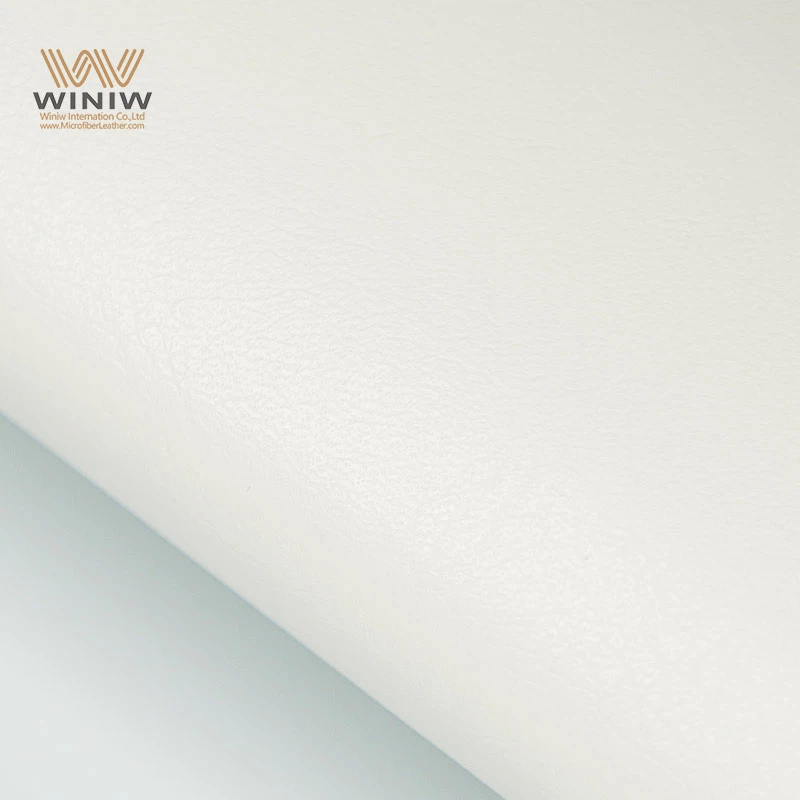
When I pick up microfiber pu soccer balls, I immediately notice the difference in touch. The surface feels soft and smooth, which gives me confidence every time I play. I value the way these balls respond to my foot. The advanced soccer ball materials in microfiber pu soccer create a premium feel that stands out from other options. I believe this touch improves my ball control and helps me deliver precise passes. Many players agree that the quality of the touch sets microfiber pu soccer apart from standard balls.
Flight & Control
I have tested many pu soccer balls on the field. Microfiber pu soccer consistently delivers reliable performance in flight and control. The ball moves through the air with stability, which allows me to predict its path. I find that the construction of these balls supports accurate shots and passes. When I focus on ball control, microfiber pu soccer gives me the edge I need to perform at my best. The consistency in performance makes these balls a top choice for serious players.
Note: Microfiber pu soccer balls help players develop advanced skills because of their predictable flight and superior control.
Water Resistance
I often play in different weather conditions. Microfiber pu soccer balls resist water better than most alternatives. The pu layer prevents water from soaking into the ball, so the weight and performance stay consistent. I appreciate that these balls maintain their shape and quality even after wet matches. Water resistance is a key factor for me when I choose soccer ball materials, especially for outdoor play. Microfiber pu soccer ensures I get reliable performance, rain or shine.
PVC Soccer Balls Durability
Wear & Tear
I have used pvc soccer balls in many training sessions and casual games. These balls show moderate durability compared to pu options. I notice that the outer layer of pvc soccer balls feels firm at first. Over time, the surface can become rough, especially after repeated use on hard or rough fields. I often see small cracks or scuffs appear after a few weeks of play. The material tends to harden, which affects the touch and ball control. I find that pvc soccer balls lose their original shape faster than pu balls. This change impacts the quality of play and the overall longevity of the ball.
Tip: If you play on concrete or asphalt, expect more visible wear on pvc soccer balls. I recommend rotating your balls to extend their lifespan.
Maintenance
I always pay attention to maintenance when I want to get the most out of my soccer balls. Pvc soccer balls require basic care to maintain their durability. I clean the surface with a damp cloth after each session. I avoid leaving the ball in direct sunlight or extreme temperatures, as this can cause the pvc to crack or fade. I check the air pressure regularly because a well-inflated ball keeps its shape longer. I store my balls indoors when not in use. These steps help preserve the quality and performance of pvc soccer balls, but I still notice that they do not match the durability or longevity of pu balls.
Note: Proper maintenance can slow down wear, but pvc soccer balls will eventually show signs of aging faster than pu soccer balls.


Suitability for Players & Surfaces
Best for Beginners
When I coach new players, I often recommend PVC balls. These balls offer a firm touch and help beginners learn basic skills. The lower price makes them accessible for families and schools. I see many young athletes benefit from using a ball that does not require a big investment. PVC balls work well for drills and casual games. They provide enough quality for early development without overwhelming new players. I believe that starting with a PVC ball helps build confidence and interest in soccer.
Best for Advanced Players
I always choose microfiber PU balls for advanced players. The soft touch and responsive feel give me better control during matches. I notice that the benefits of PU balls become clear when players want to improve their technique. The consistent flight and high durability support intense training sessions. I trust PU balls to maintain their shape and quality, even after many hours on the field. Advanced players need a ball that matches their skill level. Microfiber PU balls deliver the performance required for serious competition.
Best for Playing Surfaces
I play on many different surfaces, so I pay attention to how each ball performs. For indoor courts, I prefer PU balls because they grip the floor and offer precise control. On grass fields, both PVC and PU balls work, but I see PU balls last longer and keep their shape. When I play on rough surfaces like asphalt, I use PVC balls. They handle the wear, but I know they will show signs of aging faster. I always match the ball to the surface to get the most out of my training and games.
Tip: Choose a PU ball for quality and durability on most surfaces. Use a PVC ball for rough or unpredictable environments.
Soccer Balls Pros & Cons
Microfiber PU Pros & Cons
I have played with many types of balls, but microfiber pu stands out for several reasons. I notice that these balls offer a premium touch and feel, which helps me control the ball with precision. The durability impresses me, especially during intense matches. I see that the ball keeps its shape and quality even after months of use. Water resistance is another advantage. I can play in wet conditions without worrying about the ball absorbing moisture. However, I must mention the higher price. Microfiber pu balls cost more than other options. Some players may find the investment challenging, especially if they play casually.
Pros:
Superior touch and feel
Excellent control and flight
High durability and longevity
Good water resistance
Cons:
Higher price point
Not ideal for rough surfaces
May be too advanced for beginners
Tip: I recommend microfiber pu balls for serious players who want the best performance and long-lasting quality.
PVC Pros & Cons
I often use pvc balls for training and casual games. These balls provide reliable performance at a lower cost. I find them easy to maintain, and they work well for beginners. The firm surface helps new players develop basic skills. I notice that pvc balls handle rough surfaces better, but they show signs of wear quickly. Cracks and hardening can affect the ball's shape and touch. The lifespan is shorter compared to pu balls. I suggest pvc soccer balls for entry-level players or those who need a budget-friendly option.
Pros:
Affordable price
Good for beginners
Handles rough surfaces
Cons:
Less responsive touch
Moderate durability
Shorter lifespan
Can crack or harden over time
Note: I choose pvc balls for practice on hard surfaces or when I need a cost-effective solution.
I always recommend microfiber PU balls for advanced players who want durability, comfort, and excellent wear resistance. PVC balls suit beginners because they offer heavier construction and basic water resistance. Coaches agree that microfiber PU provides a breathable, abrasion-resistant soccer ball for serious competition. PVC works best for entry-level training. I suggest choosing the ball that matches your skill level and playing environment for the best experience.
Tip: Test both types before buying to find the perfect fit for your soccer journey.


FAQ
What makes microfiber PU soccer balls better for advanced players?
I prefer microfiber PU soccer balls because they offer a soft touch, precise control, and excellent durability. These features help me perform at a higher level during matches and training.
Are PVC soccer balls good for outdoor play?
I use PVC soccer balls for outdoor practice, especially on rough surfaces. They handle wear well, but I notice they do not last as long as PU balls on grass or turf.
How do I clean and maintain my soccer ball?
I wipe my soccer ball with a damp cloth after each session. I store it indoors and check the air pressure regularly. This routine helps me keep the ball in top condition.
Tip: Avoid leaving your ball in direct sunlight to prevent cracking.
Can I use a microfiber PU ball on concrete?
I have used microfiber PU balls on concrete, but I see faster wear and scuffing. I recommend using PVC balls for hard surfaces to extend the life of your PU ball.
You Might Also Like
-

Synthetic Microfiber Pu Suede Leather Material
-
Bio-based Vinyl Fabric Suede Material For Jewelry Box
-
Perforated Faux Fabric Micro Fiber Artificial Automotive ...
-

Tear-resistant Faux Leatherette Material Microfiber Auto ...
-

Microfiber PU Leather
-
Flexible Vegan Material Microfiber Footwear Upper Leather...