


Microfiber Leather Sports Balls: 3 Top Picks For Every Game
Dec 01, 2025
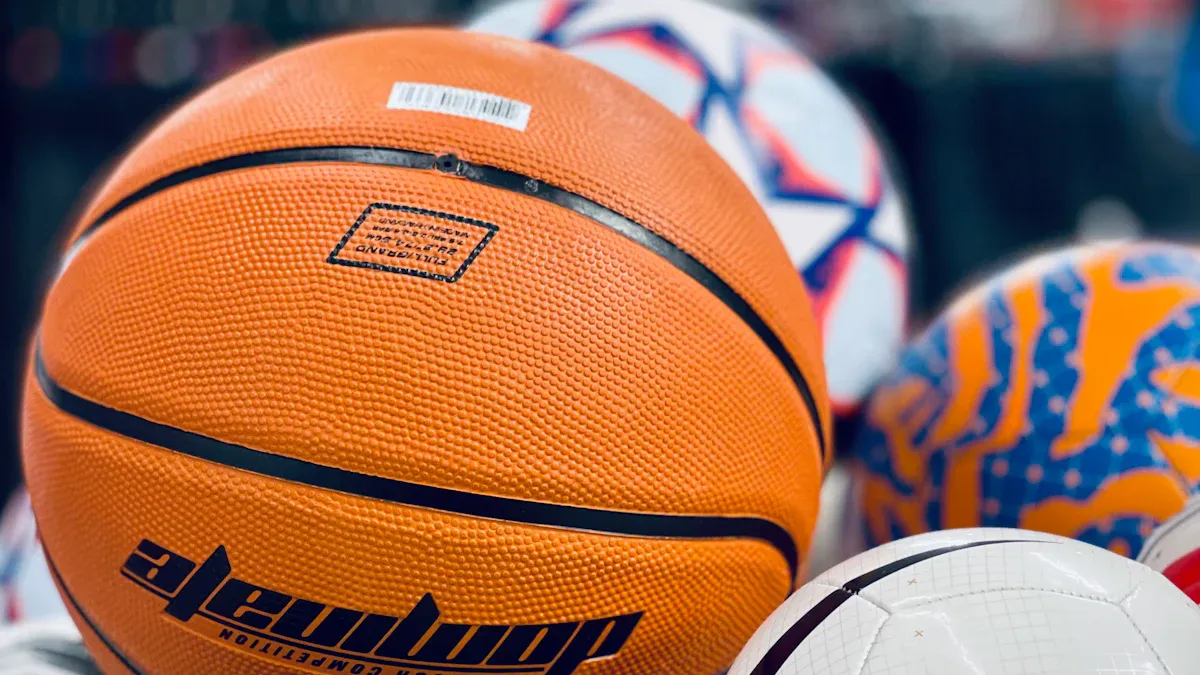
I see three main types of microfiber leather sports balls stand out in every game: soccer balls, basketballs, and volleyballs. Microfiber leather makes a difference by offering superior grip, impressive durability, and a comfortable feel during play. I trust these sports balls to perform well on the field or court, giving athletes the confidence to focus on their skills.
Key Takeaways
Microfiber leather sports balls, including soccer balls, basketballs, and volleyballs, offer superior grip and durability, enhancing performance during play.
Choose synthetic microfiber leather balls for their affordability and low maintenance, making them ideal for regular practice and competitive games.
Look for specific features like pebbled textures in soccer balls and deep channels in basketballs to improve grip and control on the field or court.
Consider the playing environment when selecting a sports ball; synthetic options perform well in various weather conditions and surfaces.
Regular cleaning and care of microfiber leather balls can extend their lifespan and maintain performance, ensuring you get the most out of your investment.
Types of Microfiber Leather Sports Balls
Microfiber leather sports balls have transformed the way athletes play. I see three main categories leading the market: soccer balls, basketballs, and volleyballs. Each type offers unique benefits, but all share the advantages of synthetic materials. I also notice other notable types, such as footballs and tennis balls, which use similar technology for enhanced performance.
Microfiber leather stands out because it combines the best qualities of synthetic and genuine leather. I prefer synthetic options for their durability and affordability. They require less maintenance and perform well in various weather conditions. The table below highlights the differences between synthetic and genuine leather sports balls:
|
Category |
Synthetic Leather |
Genuine Leather |
|---|---|---|
|
Durability |
High, suitable for regular practice |
Moderate, requires maintenance |
|
Affordability |
More affordable |
Generally more expensive |
|
Grip |
Good, suitable for various conditions |
Superior grip, classic feel |
|
Weather Resistance |
Effective in wet conditions |
Less effective in wet conditions |
|
Maintenance |
Low maintenance |
High maintenance |
|
Ideal Use |
Regular practice |
Official games |
Soccer Ball Overview
I choose microfiber leather soccer balls for their exceptional durability and grip. The synthetic PU material resists abrasion and tearing, which means I can use these balls in tough playing conditions without worrying about damage. The pebbled texture improves grip, especially when the field gets wet. Advanced stitching and bonding methods give these balls a longer lifespan and better performance. For example, the FIFA Match Ball uses high-quality synthetic leather to meet international standards. The table below summarizes the defining characteristics:
|
Characteristic |
Description |
|---|---|
|
Durability |
Microfiber leather, especially PU, is known for its abrasion and tear resistance, making it suitable for various playing conditions. |
|
Grip |
The pebbled texture enhances grip and handling, particularly in wet conditions, allowing for better control during play. |
|
Construction |
Advanced stitching and bonding methods improve the overall durability and performance of the soccer balls. |
Basketball Overview
Microfiber leather basketballs deliver consistent bounce and excellent grip. I notice that synthetic covers provide a soft touch and maintain their shape over time. These balls perform well on both indoor and outdoor courts. The Wilson GST Football, although designed for football, uses similar synthetic materials to enhance grip and durability. I recommend synthetic basketballs for players who want reliable performance and minimal maintenance.
Volleyball Overview
I prefer microfiber leather volleyballs for their soft touch and comfort. The synthetic surface reduces sting during play, making them ideal for long practice sessions. Brands like PERVEEN Volleyball use advanced synthetic construction to ensure the ball remains lightweight and easy to handle. These volleyballs resist moisture and maintain their shape, even after repeated use. I find them perfect for both indoor and beach games.
Tip: When choosing a sports ball, I always consider the playing environment and frequency of use. Synthetic microfiber leather sports balls offer the best balance of performance, durability, and affordability for most athletes.
Soccer Ball Features


Material and Grip
I always look for soccer balls that offer a reliable touch and consistent grip. Microfiber leather sports balls use advanced synthetic materials that mimic the feel of natural leather. I notice that the outer layer often features polyurethane, which gives the ball a soft yet durable surface. This synthetic layer resists water and dirt, so I can play in different weather conditions without worrying about the ball losing its quality.
The grip matters most when I play on wet grass or muddy fields. The textured surface of synthetic soccer balls helps me control the ball with my feet. I find that the panels are machine-stitched or thermally bonded, which increases the ball's lifespan. The even surface also improves aerodynamics, making passes and shots more accurate.
Note: I recommend checking the panel construction and surface texture before buying a soccer ball. These details affect grip and handling during intense matches.
Performance Benefits
I choose synthetic soccer balls for their consistent performance. The materials maintain shape and pressure, even after many hours of play. I see that the rebound and flight remain stable, which helps me predict the ball's movement during games. The synthetic bladder inside the ball holds air well, so I do not need to inflate it often.
Here are the main performance benefits I experience:
Reliable bounce and flight for accurate passing and shooting
High resistance to abrasion, which extends the ball's lifespan
Minimal water absorption, so the ball stays light in wet conditions
Consistent feel across different surfaces, including turf and grass
Low maintenance, which saves me time and effort
I believe that synthetic soccer balls give me the confidence to focus on my skills. Their durability and stable performance make them a top choice for both practice and competition.
Basketball Features


Construction Details
I always examine the construction of basketballs before making a recommendation. Microfiber leather sports balls use advanced synthetic materials that deliver consistent quality. The outer layer features a composite synthetic blend, which provides a soft touch and resists abrasion. Manufacturers use deep channel designs and pebble textures to improve grip. I notice that the panels are either machine-stitched or thermally bonded, which increases durability and maintains shape over time.
The inner bladder uses high-grade synthetic rubber. This material holds air well and prevents leaks, so I rarely need to re-inflate the ball. I value the even weight distribution, which helps the ball maintain a true bounce. The combination of synthetic layers and reinforced seams ensures that the ball withstands intense play on both indoor and outdoor courts.
Tip: I always check the channel depth and panel bonding when choosing a basketball. These features affect grip and overall performance.
Playability
I prefer synthetic basketballs for their reliable playability. The surface texture allows me to control the ball with precision, even when my hands get sweaty. I notice that the grip remains consistent throughout games, which boosts my confidence during dribbling and shooting. The synthetic cover provides a soft feel, reducing hand fatigue during long practice sessions.
I see that performance stays high across different court surfaces. Whether I play on hardwood or asphalt, the ball maintains its bounce and shape. The synthetic construction resists moisture, so I do not worry about the ball becoming slippery or heavy. I find that the ball's responsiveness helps me improve my passing accuracy and shooting technique.
Here is a quick table summarizing the playability features I look for:
|
Feature |
Benefit |
|---|---|
|
Grip |
Consistent control in all conditions |
|
Bounce |
Reliable and true on any surface |
|
Comfort |
Soft touch reduces hand fatigue |
|
Durability |
Withstands frequent, intense play |
|
Moisture Resistance |
Maintains performance in wet conditions |
I trust synthetic basketballs to deliver top performance every time I step onto the court. Their construction and playability make them a smart choice for athletes who demand reliability and comfort.


Volleyball Features
Soft Touch Design
I always look for volleyballs that offer a soft touch during play. Microfiber leather sports balls deliver a gentle feel that reduces discomfort when I hit or receive the ball. The synthetic outer layer creates a smooth surface, which helps me control the ball with precision. I notice that the advanced synthetic materials absorb impact, making each volley less painful on my arms and hands. This feature becomes especially important during long practice sessions or competitive matches.
Manufacturers use innovative synthetic blends to achieve a balance between softness and responsiveness. I find that the ball's surface remains consistent, even after repeated use. The synthetic construction also prevents the ball from becoming rough or abrasive over time. Here is a quick table that summarizes the soft touch design features I value:
|
Feature |
Benefit |
|---|---|
|
Smooth Surface |
Enhances control and comfort |
|
Impact Absorption |
Reduces sting during play |
|
Consistent Texture |
Maintains softness over time |
Tip: I recommend testing the ball's surface before purchasing. A quality synthetic volleyball should feel smooth and comfortable in your hands.
Comfort and Durability
I prioritize comfort and durability when selecting volleyballs for training and matches. Synthetic materials provide a lightweight feel, which allows me to play for extended periods without fatigue. The ball's construction resists moisture, so I can use it indoors or on the beach without worrying about water damage. I appreciate how the synthetic cover maintains its shape, even after hundreds of serves and spikes.
Durability stands out as a key advantage of synthetic volleyballs. The reinforced seams and high-quality synthetic layers prevent splitting and tearing. I rarely need to replace these balls, which saves me money and time. The consistent performance gives me confidence in every game situation.
Lightweight design supports longer play
Moisture resistance keeps the ball in top condition
Reinforced seams extend the ball's lifespan
Note: I always check for reinforced stitching and a well-bonded synthetic cover. These features ensure the volleyball will last through intense use.
Microfiber leather sports balls, especially volleyballs, combine comfort and durability with advanced synthetic technology. I trust these balls to deliver reliable performance, whether I play indoors or outdoors.


Comparison of Microfiber Leather Sports Balls
Key Differences
I often compare microfiber leather sports balls by looking at material quality, grip, and durability. Synthetic construction stands out in each category. Soccer balls use synthetic PU for abrasion resistance and a pebbled surface for grip. Basketballs feature composite synthetic blends with deep channels, which help with control and bounce. Volleyballs rely on smooth synthetic covers that absorb impact and maintain comfort.
I created a table to highlight the main differences:
|
Ball Type |
Material |
Grip Quality |
Durability |
Comfort Level |
Best Surface |
|---|---|---|---|---|---|
|
Soccer |
Synthetic PU |
Pebbled, high |
Excellent |
Moderate |
Turf, grass |
|
Basketball |
Composite synthetic |
Deep channels, high |
Very good |
Soft touch |
Indoor, outdoor |
|
Volleyball |
Smooth synthetic |
Moderate |
High |
Superior |
Indoor, beach |
Note: I always check the grip and comfort before choosing a ball for my training sessions. Synthetic materials consistently deliver reliable performance.
Best Use Cases
I select sports balls based on the playing environment, skill level, and frequency of use. Synthetic soccer balls work best for regular practice and competitive matches on turf or grass. Basketballs like the Spalding TF-250 suit all ages and skill levels, making them ideal for camps and both indoor and outdoor play. The Wilson NCAA Replica helps developing players transition to competitive games, offering consistent grip and moisture absorption. For high-repetition shooting drills, I prefer the Molten BG3800, which maintains performance over time. The Spalding Street basketball excels outdoors, handling rough surfaces and providing a budget-friendly option for group activities.
Soccer balls: Best for practice and matches on turf or grass, suitable for all skill levels.
Basketballs: Ideal for indoor and outdoor courts, camps, and skill development.
Volleyballs: Perfect for long practice sessions, indoor games, and beach play.
I recommend synthetic sports balls for athletes who want durability and comfort across different environments. Choosing the right ball depends on your sport, skill level, and where you play most often.
I trust microfiber leather soccer balls, basketballs, and volleyballs to deliver top performance. Each offers unique benefits-soccer balls provide grip and durability, basketballs ensure consistent bounce, and volleyballs offer comfort and resilience.
I recommend choosing based on your sport and playing surface.
Microfiber leather stands out for its long-lasting quality and easy care.
Have you tried a microfiber leather sports ball? Share your experience or ask me a question in the comments!


FAQ
What makes microfiber leather better than genuine leather for sports balls?
I prefer microfiber leather because it resists water and abrasion. The material stays durable in tough conditions. I spend less time on maintenance. The grip remains consistent, even when the ball gets wet. Microfiber leather also costs less than genuine leather.
Can I use microfiber leather sports balls outdoors?
I use microfiber leather balls for outdoor games. The synthetic surface handles rough courts and fields. The material resists moisture and dirt. I notice the ball keeps its shape after many matches. I recommend microfiber leather for both indoor and outdoor play.
How do I clean and care for microfiber leather sports balls?
I wipe the ball with a damp cloth after each game. I avoid harsh chemicals. I let the ball air dry before storing it. I check for dirt in the seams. Regular cleaning helps the ball last longer and perform well.
Are microfiber leather balls suitable for beginners?
I suggest microfiber leather balls for beginners. The soft touch and reliable grip help new players learn control. The ball stays comfortable during long practice sessions. The durability means beginners do not need to replace the ball often.
Do microfiber leather sports balls meet official standards?
I see many microfiber leather balls meet standards set by organizations like FIFA and FIBA. Brands design these balls for competition. I check for certification marks before buying. Official standards ensure the ball performs well in matches.
You Might Also Like
-

High End Eco Leather Auto Upholstery Synthetic Leather
-

High-end Imitation PVC Fabric Synthetic Leather For Tags
-

High Quality Microfiber Faux PU Leather Fabric For Runnni...
-

Colorful Artificial Leather Micro Fiber PU Fabric For Car
-

Thick Long-Lasting Microfiber Vegan Leather
-

Ultra Suede Vegan Suede Microfiber Car Seat Leather Material