


Microfiber Leather Soccer Shoes Or Genuine Leather For Better Play
Dec 18, 2025


When I step onto the soccer field, I always look for a shoe that boosts my agility and stands up to tough play. I often find that microfiber leather soccer cleats give me a lighter feel and last longer in wet conditions. Genuine leather feels softer and molds to my foot, which adds comfort during long matches. My decision depends on how much I value easy maintenance versus a classic touch on the ball.
Key Takeaways
Microfiber leather soccer cleats are lighter and provide better agility, making them ideal for quick movements on the field.
Genuine leather cleats offer a classic feel and mold to your foot over time, enhancing comfort during long matches.
For wet conditions, microfiber leather excels due to its high water resistance, keeping your feet dry and light.
Choose microfiber leather for low maintenance; simply wipe them clean after use. Genuine leather requires more care to maintain its quality.
Consider your budget: microfiber leather is generally more affordable with a wider range of options compared to genuine leather.
Microfiber leather provides consistent ball control in all weather, while genuine leather offers a softer touch after breaking in.
Select your cleats based on playing conditions; microfiber is best for wet or turf fields, while genuine leather shines on dry grass.
Evaluate your playing style and maintenance preference to choose the right cleat material for your soccer needs.
Microfiber Leather Soccer Cleats vs Genuine Leather: Quick Comparison

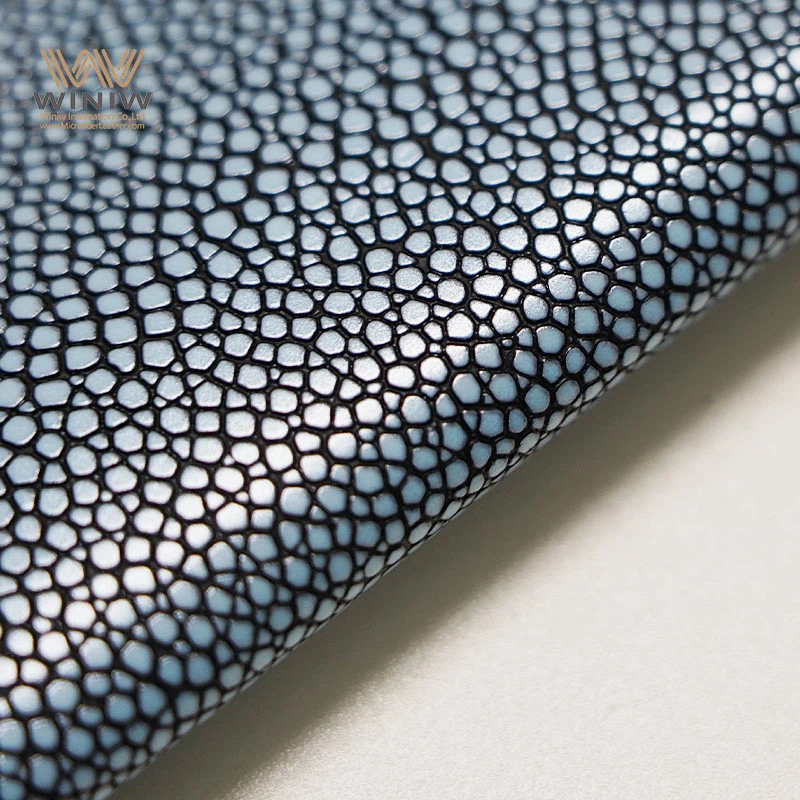
Performance
When I compare microfiber leather soccer cleats to genuine leather, I notice clear differences in performance. Microfiber leather soccer shoes feel lighter on my feet. This helps me move quickly and change direction with less effort. I find that the synthetic material gives me a consistent touch on the ball, even when the field is wet. Genuine leather cleats, on the other hand, offer a classic feel. The natural material molds to my foot and gives me a soft touch, especially after I break them in.
Here's a quick table I use to compare performance:
|
Feature |
Microfiber Leather Soccer Cleats |
Genuine Leather Cleats |
|---|---|---|
|
Weight |
Very light |
Heavier |
|
Ball Touch |
Consistent |
Softer, classic |
|
Water Resistance |
High |
Low |
|
Agility |
Excellent |
Good |
I choose microfiber leather when I want speed and reliable performance in all weather. I pick genuine leather when I want a natural feel and better ball control.
Comfort
Comfort matters to me during long matches. Microfiber leather soccer cleats feel comfortable right out of the box. I do not need to spend much time breaking them in. The material stays the same shape, so the fit does not change much over time. Genuine leather cleats start out stiff, but they become very comfortable as they mold to my foot. I enjoy the snug fit after a few games.
Tip: If you want instant comfort, go for microfiber leather. If you prefer a shoe that adapts to your foot, choose genuine leather.
Durability
Durability plays a big role in my choice of soccer cleats. Microfiber leather stands up well to rain, mud, and rough fields. I find that these shoes resist scuffs and do not stretch out. I can clean them easily with a damp cloth. Genuine leather cleats need more care. They can scuff and absorb water if I do not treat them. Over time, the leather may stretch, but with proper care, they last a long time.
I use microfiber leather soccer cleats when I play on wet or rough fields. I switch to genuine leather when I want a shoe that will mold to my foot and last with careful maintenance.
Maintenance
When I choose soccer cleats, I always think about how much time I want to spend taking care of them. Microfiber leather soccer shoes make my life easier. I can wipe them clean with a damp cloth after a muddy game. The synthetic material does not soak up water, so I do not worry about drying them out or treating them with special products. I store them in my bag, and they keep their shape and color.
Genuine leather cleats need more attention. After each match, I brush off dirt and let them air dry. If they get wet, I stuff them with newspaper to help them keep their shape. I also use leather conditioner every few weeks to stop the leather from cracking. Sometimes, I polish them to keep them looking sharp. If I skip these steps, the leather can dry out or stretch too much.
Here's a quick checklist I follow for each type:
Microfiber Leather Cleats:
Wipe with a damp cloth
Air dry if wet
No special products needed
Genuine Leather Cleats:
Brush off dirt after each use
Air dry away from direct heat
Use leather conditioner regularly
Polish for appearance
Tip: If you want low-maintenance cleats, microfiber leather is the way to go. If you enjoy caring for your gear and want it to last, genuine leather rewards your effort.
Price
Price often plays a big role in my decision. Microfiber leather soccer cleats usually cost less than genuine leather ones. I see a wide range of options for microfiber cleats, from budget-friendly to high-end models. This makes it easy for me to find a pair that fits my budget.
Genuine leather cleats tend to be more expensive. The natural material and extra craftsmanship add to the price. I notice that top brands charge a premium for their best leather models. Sometimes, I pay more upfront for genuine leather, but I get a classic look and feel.
Here's a simple table to compare:
|
Cleat Type |
Typical Price Range |
Value for Money |
|---|---|---|
|
Microfiber Leather |
$40 – $150 |
Affordable, many choices |
|
Genuine Leather |
$80 – $250+ |
Premium, classic quality |
When I want a good deal and easy care, I pick microfiber leather. If I want a traditional feel and do not mind spending more, I go for genuine leather. I always weigh the price against how much I play and how long I want my cleats to last.
Soccer Cleat Performance
Ball Control & Touch
Microfiber Leather Feel
When I play with microfiber leather soccer shoes, I notice a very consistent touch on the ball. The synthetic material feels smooth and thin. This lets me sense the ball better when I dribble or pass. I can control the ball even when the field is wet. The surface does not absorb water, so the touch stays the same in every game. I like how the shoe responds quickly to my movements. I feel confident making fast turns and sharp passes.
Genuine Leather Feel
Genuine leather cleats give me a classic touch that many players love. The natural leather feels soft and warm against my foot. After a few games, the shoe molds to my foot shape. This makes my touch on the ball feel more personal and precise. I notice that the ball seems to stick to my foot when I trap or dribble. The leather stretches a little, which helps me control the ball better over time. I enjoy the way the shoe adapts to my playing style.
Note: If you want a consistent touch in all weather, microfiber leather works best. If you prefer a shoe that feels like a second skin, genuine leather gives you that classic soccer experience.
Fit & Flexibility
Adaptability to Foot Shape
Fit matters a lot to me when I choose a soccer cleat. Microfiber leather shoes keep their shape from the first game to the last. The material does not stretch much, so the fit stays the same. This works well if I want a shoe that feels snug and secure every time I play. Genuine leather, on the other hand, changes with my foot. The leather stretches and molds to my unique shape. After a few matches, the shoe feels custom-made for my foot. I like this feeling when I want maximum comfort.
Consistency Over Time
I find that microfiber leather soccer cleats offer a reliable fit for many months. The shoe does not loosen up or change shape, even after heavy use. This helps me trust my cleat during important games. Genuine leather cleats require more care. If I do not look after them, the leather can stretch too much. This might make the shoe feel loose. With regular cleaning and conditioning, I can keep the fit just right. I enjoy the way genuine leather rewards my effort with a perfect fit.
Weight & Agility
Impact on Speed
Speed is important in soccer. I always look for a light shoe that helps me move fast. Microfiber leather soccer cleats feel much lighter than traditional leather. I notice that I can sprint and change direction quickly. The light weight helps me react faster to the ball and my opponents. I feel less held back by my cleat, which boosts my confidence on the field.
Fatigue During Play
A heavy shoe can make my legs tired during a long match. Microfiber leather shoes help me stay fresh because they do not weigh me down. I can run for longer without feeling as much fatigue. Genuine leather cleats feel heavier at first. Over time, as the leather softens, the shoe becomes more flexible but still weighs more than microfiber. I sometimes feel more tired after playing in heavy leather cleats, especially on hot days or wet fields.
Tip: If you want to stay light on your feet and reduce fatigue, choose a microfiber leather soccer cleat. If you value tradition and a classic feel, genuine leather still offers great performance with a bit more weight.
Soccer Cleat Performance Table
|
Feature |
Microfiber Leather Soccer Cleats |
Genuine Leather Cleats |
|---|---|---|
|
Ball Control & Touch |
Consistent, responsive |
Soft, molds to foot |
|
Fit & Flexibility |
Holds shape, snug fit |
Adapts to foot, stretches |
|
Weight & Agility |
Very light, boosts speed |
Heavier, classic feel |
|
Fatigue During Play |
Less fatigue, more energy |
Can feel heavy over time |
I always think about my playing style before I pick a soccer cleat. Microfiber leather gives me speed, flexibility, and easy care. Genuine leather rewards me with a classic touch and a shoe that fits like a glove after a few games. Both materials have strengths, so I choose based on what matters most for my performance on the field.
Comfort & Fit in Soccer Cleats
Break-in Period
Initial Comfort
When I try on a new soccer shoe, I always notice how it feels right away. Microfiber leather shoes usually feel soft and flexible from the first moment. I can wear them in a game without worrying about blisters or sore spots. The material wraps around my foot and gives me a snug fit. I do not need to spend much time breaking them in.
Genuine leather shoes feel different at first. The leather feels stiff and sometimes tight. I often need to wear them for a few practices before they start to feel comfortable. I use thick socks to help stretch the leather and protect my feet. The break-in period takes patience, but I know the reward comes later.
Tip: If you want to play in a new shoe right away, microfiber leather gives you instant comfort. If you do not mind waiting, genuine leather will reward you with a custom fit.
Long-term Fit
After a few weeks, I notice how each shoe changes. Microfiber leather shoes keep their shape. The fit stays the same, even after many games. I like this when I want a reliable fit every time I put on my cleat.
Genuine leather shoes start to mold to my foot. The leather stretches and adapts to my shape. Over time, the shoe feels like it was made just for me. I enjoy this feeling, especially during long soccer matches. The fit becomes more personal and comfortable.
Breathability & Moisture
Sweat Control
Playing soccer makes my feet sweat, especially in hot weather. I find that microfiber leather shoes do not breathe as well as natural leather. My feet sometimes feel warm and damp after a long game. Some brands add mesh panels to help with airflow, but the synthetic material still holds in more heat.
Genuine leather shoes let my feet breathe better. The natural fibers allow air to move in and out. My feet stay cooler and drier, even during intense matches. I notice less sweat buildup, which helps me stay comfortable.
Odor Management
Moisture can lead to odor in any soccer shoe. Microfiber leather shoes can trap sweat, which sometimes causes a smell after several uses. I clean and air them out to keep them fresh. The material dries quickly, which helps reduce odor.
Genuine leather shoes resist odor better because they breathe more. The airflow helps keep the inside of the shoe dry. I still need to clean them, but I notice less smell compared to synthetic shoes.
Note: To keep any cleat fresh, I always remove the insoles and let the shoes air out after every game.
|
Feature |
Microfiber Leather Shoe |
Genuine Leather Shoe |
|---|---|---|
|
Initial Comfort |
Soft, ready to wear |
Stiff, needs break-in |
|
Long-term Fit |
Holds shape |
Molds to foot |
|
Breathability |
Less |
More |
|
Odor Management |
Needs airing out |
Resists odor better |
I always choose my soccer cleats based on how much comfort and breathability I want. Each shoe offers a different experience, so I pick the one that matches my needs for the season.


Durability & Maintenance
Wear & Tear Resistance
Scuffing & Abrasion
When I play soccer, I want a shoe that can handle rough fields and hard tackles. Microfiber leather stands up well to scuffing and abrasion. I notice that the surface does not scratch easily, even after sliding on turf or kicking rocks. The material keeps its look for a long time. Genuine leather cleats show marks faster. The natural surface can scuff if I drag my foot or get stepped on. I like the classic look, but I know I need to be careful to keep them looking good.
Water Resistance
Rainy days test every soccer shoe. Microfiber leather does not soak up water. I can play in wet grass, and my feet stay dry. The shoe dries quickly after the game. Genuine leather absorbs water if I do not treat it with special sprays. Wet leather gets heavy and can stretch out of shape. I always use a waterproof spray on my leather cleats, but I still avoid puddles when I can.
Tip: For wet fields or rainy weather, I trust microfiber leather to keep my feet dry and my cleat light.
Care & Longevity
Cleaning Needs
After a tough match, I want to clean my soccer shoes fast. Microfiber leather makes this easy. I wipe off mud with a damp cloth, and the shoe looks new again. I do not need special cleaners or conditioners. Genuine leather needs more care. I brush off dirt, let the shoe air dry, and use leather conditioner to keep it soft. If I skip these steps, the leather can crack or lose its shape.
Expected Lifespan
I find that microfiber leather shoes last a long time with little effort. The material resists stretching and keeps its shape, even after many games. I do not worry about rain or mud ruining my cleat. Genuine leather cleats can last just as long, but only if I take care of them. Regular cleaning and conditioning help the leather stay strong. If I neglect them, they wear out faster.
|
Feature |
Microfiber Leather Shoe |
Genuine Leather Shoe |
|---|---|---|
|
Scuff Resistance |
High |
Medium |
|
Water Resistance |
Excellent |
Needs treatment |
|
Cleaning Effort |
Low |
High |
|
Lifespan (with care) |
Long |
Long |
Note: I choose microfiber leather when I want a durable, low-maintenance soccer shoe. I pick genuine leather when I enjoy caring for my gear and want a classic feel.
Value for Money in Soccer Cleats
Price Comparison
Upfront Cost
When I shop for a new soccer shoe, I always check the price tag first. Microfiber leather shoes usually cost less than genuine leather ones. I see entry-level microfiber models for around $40, while premium versions can reach $150. Genuine leather shoes start higher, often at $80, and top models can go above $250. I notice that the price reflects the material and craftsmanship. If I want a classic look and feel, I expect to pay more for genuine leather.
Tip: If you play soccer casually or want to save money, microfiber leather offers a solid option without breaking the bank.
Range of Options
I find more choices when I look for microfiber leather shoes. Brands offer a wide variety of styles, colors, and features. I can pick a shoe that matches my taste and budget. Genuine leather shoes come in fewer styles, but they focus on quality and tradition. I see that top brands reserve their best technology for microfiber models, which means I get more features for less money.
|
Material |
Entry Price |
Premium Price |
Style Variety |
|---|---|---|---|
|
Microfiber Leather |
$40 |
$150 |
Wide |
|
Genuine Leather |
$80 |
$250+ |
Limited |
Long-term Value
Replacement Frequency
I always think about how often I need to replace my soccer cleat. Microfiber leather shoes last a long time, even with heavy use. I usually get a full season or more before I see signs of wear. Genuine leather shoes can last just as long, but only if I care for them properly. If I skip cleaning and conditioning, the leather wears out faster. I replace my cleat less often when I choose microfiber leather, especially if I play on wet or rough fields.
Cost per Season
I calculate the cost per season to see which shoe gives me better value. Microfiber leather shoes cost less upfront and need fewer replacements. I spend less money over the year. Genuine leather shoes cost more at first, but they can last several seasons with good care. If I enjoy maintaining my gear, I get more value from genuine leather. For most players, microfiber leather offers the best balance between price and durability.
Note: I always match my choice to how much I play and how much effort I want to put into caring for my soccer cleat.
Microfiber leather: Lower upfront cost, more options, less maintenance, longer lifespan for most players.
Genuine leather: Higher upfront cost, classic style, longer lifespan with proper care, premium feel.
I weigh these factors every time I buy a new soccer shoe. My decision depends on my budget, playing style, and how much I value tradition versus convenience.


Best Soccer Cleats for Different Players
Player Level Recommendations
Casual Players
When I play soccer for fun, I want a shoe that feels comfortable and does not cost too much. I choose microfiber leather soccer shoes because they offer instant comfort and easy care. I do not need to spend time breaking them in. The material keeps my feet dry on wet fields. I find that these shoes last a whole season, even if I play only on weekends. I recommend microfiber leather soccer cleats to anyone who wants a reliable option without spending a lot.
Amateur Players
As an amateur player, I look for a balance between performance and comfort. I play more often, so I need a shoe that can handle regular use. Microfiber leather soccer shoes give me a consistent fit and help me move quickly. I also consider genuine leather cleats because they mold to my foot over time. If I enjoy taking care of my gear, I choose genuine leather for the classic feel. If I want less maintenance, I stick with microfiber leather soccer cleats.
Professional Players
When I play at a professional level, every detail matters. I want a shoe that fits perfectly and responds to my movements. Genuine leather cleats offer the best fit after a few games. The leather adapts to my foot and gives me a soft touch on the ball. I spend extra time caring for my shoes to keep them in top shape. Some professionals prefer microfiber leather soccer shoes for their light weight and water resistance. I choose based on my playing style and field conditions.
Tip: Match your shoe choice to your level of play and how much effort you want to put into maintenance.
Playing Conditions
Wet vs Dry Fields
I often play on fields that change with the weather. On wet fields, I trust microfiber leather soccer shoes to keep my feet dry. The material does not soak up water, so my cleat stays light. On dry fields, genuine leather cleats perform well. The leather stays soft and molds to my foot, giving me great control. I switch between shoes depending on the forecast.
|
Condition |
Best Choice |
Reason |
|---|---|---|
|
Wet Field |
Microfiber leather soccer |
Water-resistant, stays light |
|
Dry Field |
Genuine leather cleat |
Soft fit, classic control |
Turf vs Grass
Playing surface affects my shoe choice. On turf, I prefer microfiber leather soccer cleats because they resist abrasion and keep their shape. The synthetic material stands up to rough turf and cleans easily. On natural grass, genuine leather cleats feel better. The leather grips the field and adapts to my foot. I get a classic soccer experience on grass.
Note: I always check the field before choosing my soccer cleats. Microfiber leather soccer shoes work best for wet or turf conditions. Genuine leather cleats excel on dry grass and reward careful maintenance.
When I choose soccer cleats, I usually pick microfiber leather for its light weight, durability, and easy care. This material works best for most soccer players who want reliable performance. Genuine leather feels better for those who value a classic touch and custom fit. My decision always depends on how I play and the field conditions. I suggest every soccer player think about their needs before buying new shoes.
FAQ
What makes microfiber leather soccer cleats a good choice for wet fields?
I play on wet fields often. Microfiber leather keeps my feet dry because it resists water. The shoes stay light and do not absorb moisture, so I can focus on my game.
How long does it take to break in genuine leather soccer shoes?
I usually need a few practices to break in genuine leather cleats. The leather feels stiff at first, but it softens and molds to my foot after several games.
Do microfiber leather soccer shoes last as long as genuine leather?
Microfiber leather shoes last a long time for me, especially with minimal care. Genuine leather can last just as long, but I need to clean and condition them regularly.
Can I clean microfiber leather soccer cleats with regular soap and water?
I clean my microfiber leather cleats with a damp cloth. Sometimes, I use mild soap for tough stains. I avoid soaking them, since the material dries quickly and keeps its shape.
Which soccer cleat material helps reduce foot odor?
Genuine leather breathes better, so my feet stay cooler and drier. I notice less odor in leather shoes. Microfiber leather dries fast, but I air them out after each game to prevent smells.
Is price the main factor in choosing between microfiber and genuine leather soccer shoes?
Price matters to me, but I also consider comfort, durability, and maintenance. My decision depends on how much I play and what features I value most.
Are microfiber leather soccer cleats suitable for turf fields?
I wear microfiber leather cleats on turf because they resist abrasion and keep their shape. The synthetic material stands up to rough surfaces and cleans easily after matches.
Do genuine leather soccer shoes stretch over time?
Genuine leather stretches and adapts to my foot shape. I like how the fit becomes more personal after a few games. I take care not to let them get too loose by maintaining them properly.
You Might Also Like
-

Nylon Spunbond Nonwoven Fabric
-
Ultra-Absorbency With Fast Drying Micro Synthetic Chamois...
-

1.2mm Customizable PVC Material Car Seat Covers Imitation...
-

Moisture Resistant Microsuede Imitation Leather Sports Gl...
-

Tear Resistant Micro Fiber Material Synthetic Running Sho...
-

Microfiber Leather Sole Dance Shoes