

Which is More Wear-Resistant, Artificial Leather or Synthetic Leather?
Dec 03, 2021
Which is More Wear-Resistant, Artificial Leather or Synthetic Leather?
Artificial leather is different from synthetic leather, mainly because of the different materials used. Among them, synthetic leather is more wear-resistant than artificial leather.
Synthetic leather refers to PU (polyurethane) synthetic leather, a thermoplastic polymer, which can produce different characteristics by adjusting raw materials and manufacturing processes. Non-woven fabrics and woven fabrics can be used as substrates to produce high-quality products through multiple processes. The physical properties of the structure are similar to those of natural leather, and it has good characteristics such as durability, good texture, and good air permeability. Therefore, its application range is quite wide, and it can be used in the shoe industry, leather bag industry, furniture industry and sports equipment industry. From the chemical structure, it is closer to leather fabrics. It does not use plasticizers to achieve softness, so it will not harden or become brittle, can achieve high toughness, is very wear-resistant, and has rich colors and patterns. Numerous advantages. Moreover, PU synthetic leather has superior properties that other synthetic materials do not have. It can replace natural leather surfaces such as cowhide, pigskin, and sheepskin.
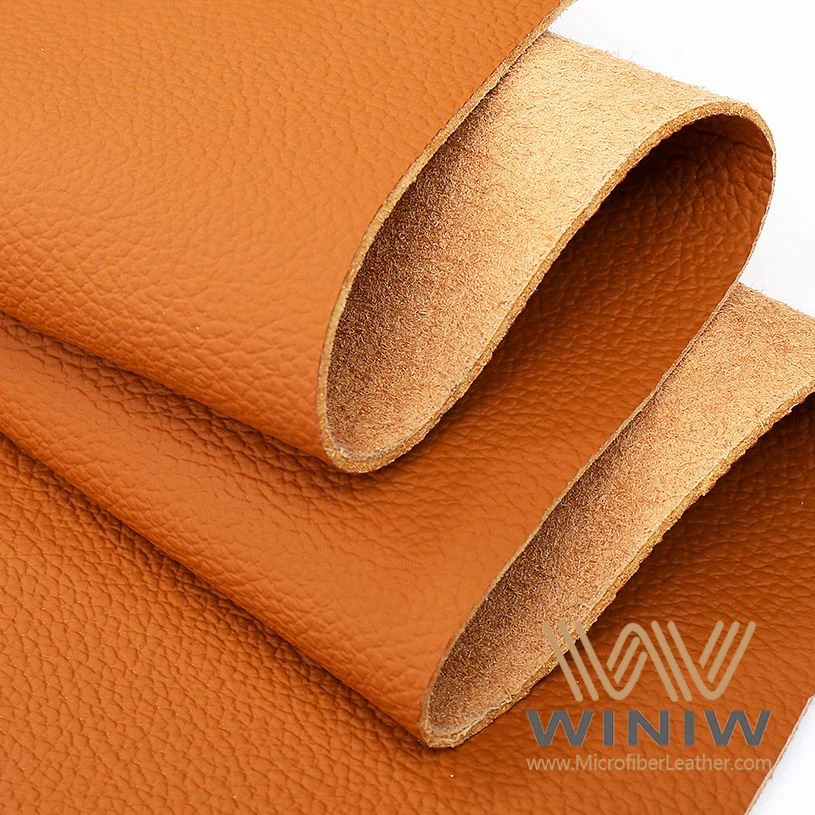
Artificial leather refers to PVC (polyvinyl chloride) artificial leather, which is made of various fabrics as a substrate, combined with a PVC foam layer, and then processed on the surface. It has a soft feel, similar to the texture of the leather surface and different surface touches. , Durable and easy to post-processing, it is a high-quality and inexpensive product. Artificial leather is the earliest invented substitute for leather fabrics. It is made by calendering and compounding PVC with plasticizers and other additives on the cloth. The advantages are low price, rich colors, and various patterns. Brittle, poor wear resistance.