

Which Is Better: Microfiber or Leather
Sep 29, 2025
Microfiber and leather are two materials commonly used in furniture, automotive interiors, clothing, and accessories. Each has unique characteristics in terms of comfort, durability, cost, and environmental impact. The question of which is "better" depends on the intended application and consumer priorities.
Overview
Leather: A natural material made from animal hides, processed through tanning for durability and longevity. It is associated with luxury, strength, and a timeless aesthetic.
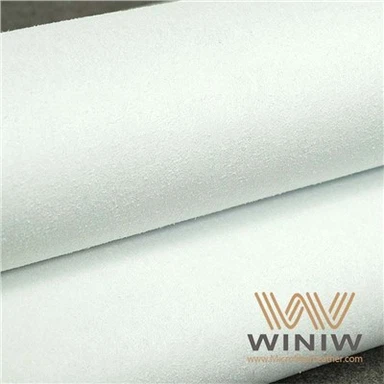
Microfiber: A synthetic material composed of ultra-fine fibers, usually polyester and polyamide. It is engineered to be lightweight, soft, durable, and versatile, often designed to resemble suede or leather.
Comfort
Leather: Offers a smooth and cool surface that adjusts to body temperature over time. It can feel warm in winter and cool in summer but may cause discomfort in hot climates without ventilation.
Microfiber: Soft and suede-like in texture, often considered warmer and cozier. However, it is generally less breathable than genuine leather.
Durability
Leather: Known for long-lasting performance. High-quality full-grain leather can last decades with proper care. Resistant to tearing but may scratch and stain more easily.
Microfiber: Highly resistant to wear, scratches, and fading. Holds up well against children, pets, and frequent use, though it may not match leather's decades-long lifespan.
Maintenance
Leather: Requires regular conditioning to prevent drying and cracking. More sensitive to spills, stains, and sunlight exposure.
Microfiber: Easy to clean with mild soap and water. More resistant to stains and discoloration, requiring less maintenance overall.
Aesthetics
Leather: Offers a luxurious, timeless appearance. Each hide has unique natural markings, giving products authenticity and character.
Microfiber: Available in a wide range of colors and finishes. While it can imitate suede or leather, it lacks the natural patina and richness of genuine leather.
Cost
Leather: Significantly more expensive, especially for high-quality full-grain or top-grain leather. Considered a premium investment.
Microfiber: More affordable, making it attractive for budget-conscious consumers who still want durability and style.
Environmental Considerations
Leather: Derived from livestock, raising concerns about animal welfare and environmental impact from tanning processes. However, it is biodegradable and can last for decades, reducing replacement frequency.
Microfiber: Made from petroleum-based synthetics, contributing to microplastic pollution. Not biodegradable but often considered more sustainable than livestock-based production in terms of emissions.
Applications
Furniture: Leather is chosen for luxury and long-term value, while microfiber is preferred for practicality and family use.
Automotive: Leather interiors provide a premium feel, while microfiber is used in sporty designs and affordable models.
Fashion: Leather dominates in high-end clothing, handbags, and shoes; microfiber is widely used in casual wear and accessories.