


Types of Leather That Protect in Industrial Gloves
Sep 02, 2025
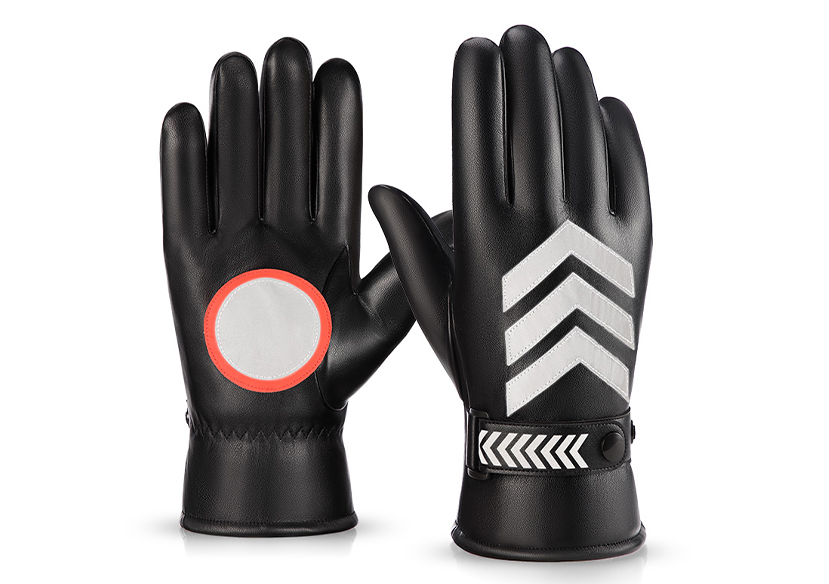
Image Source: unsplash
Industrial workers face a high risk of hand injuries, often linked to improper glove selection.
|
Condition |
Percentage |
|---|---|
|
Workers not wearing gloves |
70% |
|
Workers wearing inadequate gloves |
30% |
Selecting the right leather in gloves improves safety, comfort, and performance. Types of leather for gloves include cowhide, deerskin, goatskin, and pigskin, each offering unique strengths for specific tasks. Synthetic options, such as Faux Leathers' synthetic leather 1, also meet diverse industrial needs and support eco-conscious choices.
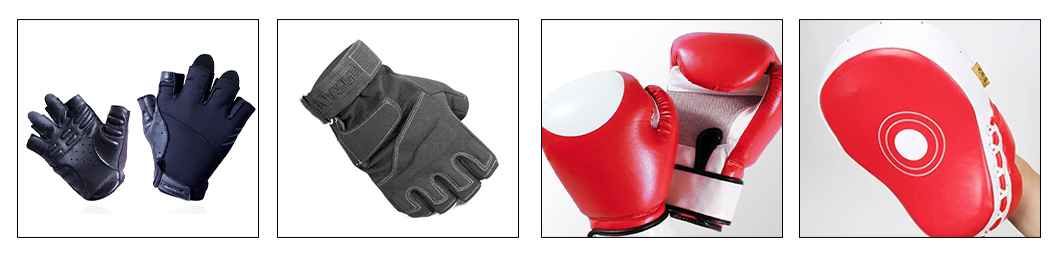
Types of Leather That Protect in Industrial Gloves
Choosing the right leather for gloves enhances safety and comfort in industrial settings.
Grain leather offers durability and flexibility, making it ideal for construction and automotive tasks.
Split leather provides excellent abrasion and heat resistance, suitable for welding and metalwork.
Cowhide gloves are tough and long-lasting, perfect for heavy-duty tasks in construction and agriculture.
Goatskin gloves prioritize dexterity and flexibility, ideal for precise tasks like electrical work.
Pigskin gloves excel in wet conditions, remaining flexible and comfortable even when exposed to moisture.
Synthetic leather gloves offer eco-friendly options with strong protection and easy maintenance.
Regular cleaning and proper storage extend the lifespan of both natural and synthetic leather gloves.
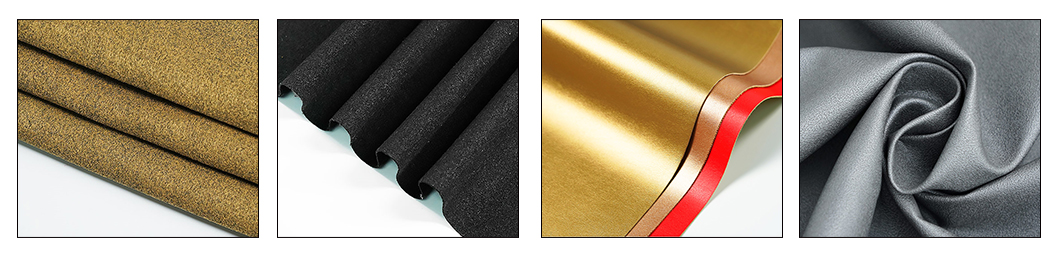
Leather Terminology
Selecting the right industrial glove begins with understanding leather terminology. Workers and safety managers often encounter terms like grain leather, split leather, and specialty finishes. Each term describes a specific type of leather with unique properties that affect glove performance.
Grain Leather
Grain leather refers to the outermost layer of an animal hide. Manufacturers value this layer for its durability and softness. Grain leather appears smooth and has a natural texture. Workers prefer gloves made from grain leather for tasks that require flexibility and abrasion resistance. Construction and automotive industries often use grain leather gloves because they withstand repeated friction and provide comfort during long shifts.
Tip: Grain leather gloves usually cost more due to their superior appearance and protective qualities.
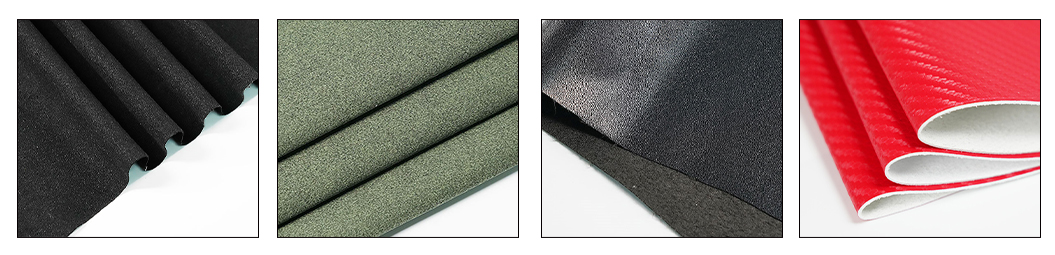
Split Leather
Split leather comes from the layer beneath the grain. Producers create split leather by removing the grain layer from thicker hides. This process results in a material that resists abrasion and water. Split leather offers natural puncture resistance, making it suitable for jobs involving sharp objects or rough surfaces. Workers in welding and metal fabrication often choose split leather gloves for their heat resistance.
Split leather varies based on the part of the hide used. The following table outlines the main types:
|
Type of Leather |
Definition |
Characteristics |
|---|---|---|
|
Grain Leather |
The outermost layer of the hide, known for its durability and softness. |
More expensive due to its appearance and characteristics. |
|
Split Leather |
The remaining layer after the grain layer is removed from thicker hides. |
Generally less strong but more abrasion and water resistant, with natural puncture resistance. |
|
Shoulder Split |
Split from the shoulder area. |
Less durable, more affordable. |
|
Side Split |
Split from the side area. |
Most durable. |
|
Belly Split |
Split from the belly area. |
Least durable. |
Specialty Finishes
Specialty finishes enhance the performance of leather gloves. Manufacturers apply coatings or treatments to improve water resistance, grip, or chemical protection. Some finishes add color or texture, making gloves more attractive and easier to identify for specific tasks. Specialty finishes can also increase durability, allowing gloves to last longer in harsh environments.
Understanding these terms helps workers and safety managers select gloves that match the demands of each job. Grain leather provides superior abrasion resistance, which benefits construction and automotive workers. Split leather offers heat resistance and durability, making it ideal for welding. Specialty finishes add extra protection or comfort, ensuring gloves perform well under challenging conditions.
Note: Choosing the correct leather type and finish ensures optimal safety and comfort in industrial settings.
Types of Leather for Gloves
Cowhide
Cowhide stands out among the types of leather for gloves due to its balance of durability, abrasion resistance, and comfort. Workers rely on cowhide leather gloves for heavy-duty tasks in construction, manufacturing, and agriculture. The tough surface of cowhide protects hands from cuts, tears, and punctures caused by rough surfaces or sharp objects. The natural material offers superior wear resistance compared to many synthetic alternatives.
Cowhide gloves feature high tensile strength, which enhances protection against mechanical injuries. The thick construction provides extended lifespan, making these gloves a cost-effective choice for repeated use. Many cowhide gloves include soft cotton or polyester linings that absorb sweat, keeping hands dry and comfortable during long shifts.
Tip: Cowhide gloves are ideal for jobs that demand abrasion resistance and durability, such as handling bricks, lumber, or metal.
The following table compares the protective qualities of popular types of leather for gloves:
|
Leather Type |
Abrasion Resistance |
Dexterity |
Durability |
|---|---|---|---|
|
Cowhide |
Excellent |
Moderate |
High |
|
Goatskin |
Very Good |
Excellent |
Good |
|
Deerskin |
Good |
Excellent |
Moderate |
|
Pigskin |
Moderate |
Good |
Good |
|
Elkskin |
N/A |
N/A |
N/A |
Cowhide leather gloves provide reliable protection and comfort for workers who need tough, long-lasting gear.

Goatskin & Kidskin
Goatskin and kidskin represent types of leather for gloves that prioritize dexterity and flexibility. Goatskin gloves are lightweight, supple, and water-resistant. Workers appreciate the high flexibility and cut resistance of goatskin, which allows for precise hand movements. These gloves suit tasks that require excellent dexterity, such as electrical work, assembly, and inspection.
Kidskin gloves offer a softer, thinner feel. The material allows for high finger control, making it suitable for delicate tasks. Kidskin provides reasonable durability and abrasion resistance, though it does not match the toughness of cowhide or goatskin.
The table below highlights the differences between goatskin and kidskin:
|
Leather Type |
Flexibility |
Cut Resistance |
|---|---|---|
|
Goatskin |
High |
High |
|
Kidskin |
Moderate |
Moderate |
Goatskin leather gloves deliver quality performance in jobs that demand both protection and comfort. Kidskin gloves excel in applications where sensitivity and control matter most.
Note: Workers often choose goatskin gloves for their combination of durability and excellent dexterity, especially in environments where hand movement is critical.
Deerskin & Elkskin
Deerskin and elkskin are types of leather for gloves valued for their unique qualities in cold or rugged environments. Deerskin gloves maintain softness and flexibility even when wet. Workers benefit from the comfort and durability of deerskin, which adapts well to changing conditions. When lined with thermal materials, deerskin gloves provide warmth without sacrificing flexibility.
Elkskin gloves offer toughness and insulation. The material withstands harsh conditions, making it suitable for outdoor work, forestry, and ranching. Elkskin gloves protect hands from abrasion and cold, ensuring reliable performance in demanding settings.
Deerskin: Flexible, durable, remains soft in wet conditions, provides warmth with thermal lining.
Elkskin: Tough, insulates well, ideal for rugged environments.
User reviews and field tests confirm the quality and effectiveness of deerskin and elkskin leather gloves. Professionals report that these gloves deliver comfort and protection during extended use in challenging environments.
🧤 Workers in forestry and ranching often select deerskin or elkskin gloves for their ability to combine protection, comfort, and durability.
Pigskin
Pigskin stands out as a practical material for leather gloves in industrial settings. Workers value pigskin for its unique texture and durability. The surface of pigskin contains small pores, which give gloves a distinctive look and allow for increased breathability. Manufacturers often choose pigskin when they want to balance protection and comfort.
Pigskin leather gloves offer reliable protection against abrasion and punctures. The natural toughness of pigskin helps shield hands from rough surfaces and sharp edges. Workers in construction, landscaping, and maintenance often select pigskin gloves for tasks that require both safety and flexibility.
Pigskin excels in wet or oily environments. The high lanolin content in pigskin keeps gloves flexible even after exposure to moisture. Unlike cowhide, which may stiffen or crack when it dries, pigskin remains soft and comfortable. This feature makes pigskin leather gloves a superior choice for jobs that involve water, oil, or changing weather conditions.
Pigskin leather gloves stay flexible in wet conditions.
The lanolin in pigskin prevents stiffness after drying.
Cowhide gloves may become stiff and crack after getting wet.
Pigskin provides better comfort and protection in wet or oily environments.
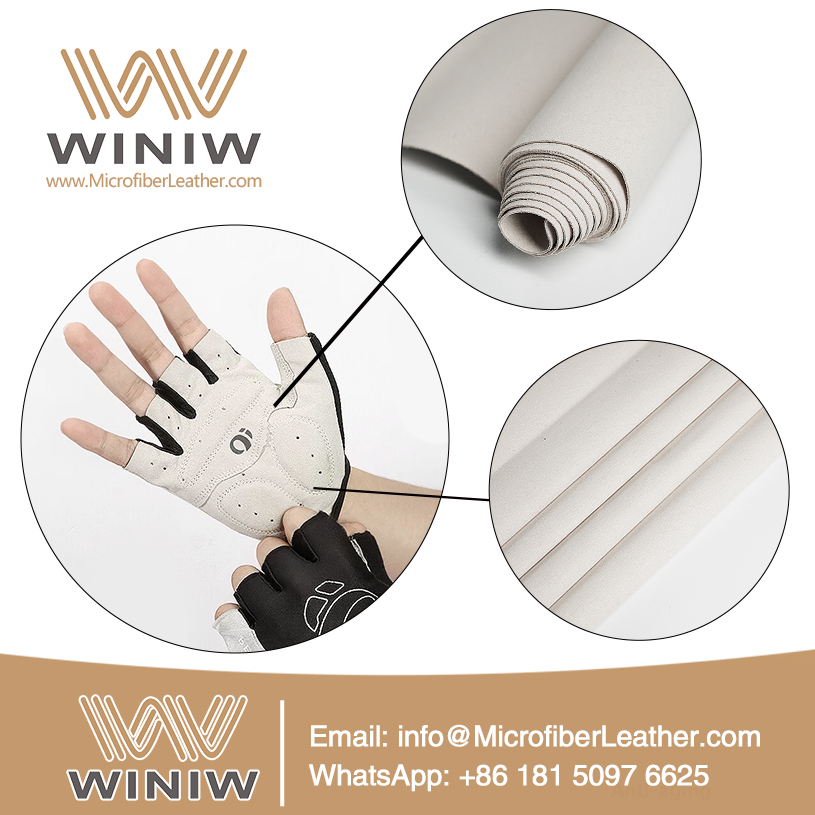
Craftsmanship plays a key role in the quality of pigskin leather gloves. Skilled makers ensure that each pair fits well and lasts through repeated use. The attention to detail in stitching and finishing enhances both protection and comfort. Workers appreciate the durability and flexibility that come from expert craftsmanship.
Pigskin leather gloves also offer good dexterity. The material allows for precise hand movements, which is important for tasks that require handling tools or small parts. Workers find that pigskin gloves combine protection, comfort, and craftsmanship in a way that supports productivity and safety.
The following table summarizes the main features of pigskin leather gloves:
|
Feature |
Description |
|---|---|
|
Protection |
Resists abrasion and punctures |
|
Comfort |
Remains soft and flexible, even after exposure to moisture |
|
Craftsmanship |
Skilled construction ensures durability and fit |
|
Dexterity |
Allows for precise hand movements |
|
Best Use Cases |
Wet or oily environments, construction, landscaping, maintenance |
Tip: Pigskin leather gloves work well for outdoor jobs and tasks that involve frequent contact with water or oil.
Pigskin remains a popular choice for industrial gloves because it delivers reliable protection, lasting comfort, and quality craftsmanship. Workers trust pigskin leather gloves to keep their hands safe and comfortable in challenging environments.
Synthetic Leather for Industrial Gloves
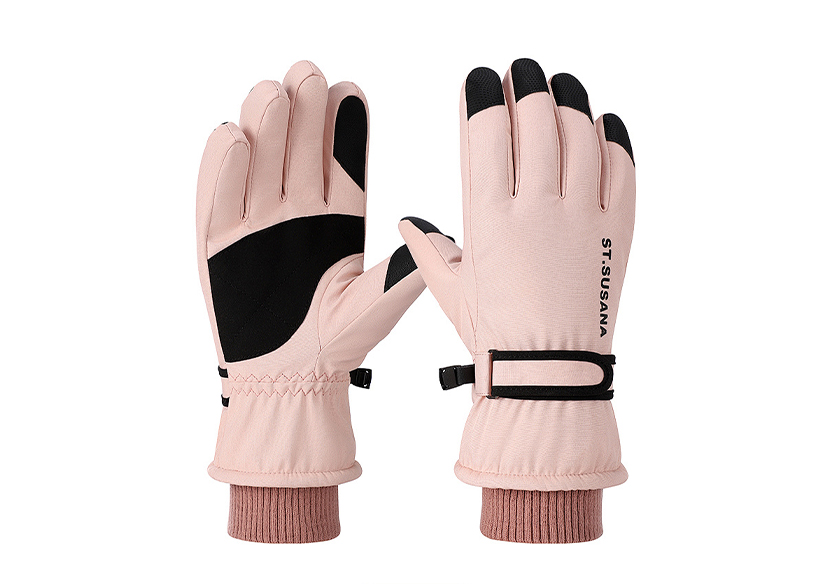
Faux Leathers Brand Overview
Faux Leathers stands out as a leader in the production of synthetic materials for industrial gloves. The brand focuses on innovation and sustainability, offering high-quality alternatives to traditional leather gloves. Faux Leathers uses advanced manufacturing techniques to create materials that mimic the look and feel of genuine leather. The company produces synthetic leather from polyurethane (PU) and polyvinyl chloride (PVC), which are the main types used in industrial gloves. PU provides durability and a grain leather appearance, while PVC offers softness and breathability similar to split leather. Faux Leathers emphasizes eco-friendly production, moving toward phthalate-free processes and recyclable materials. The brand's commitment to quality ensures that each pair of gloves delivers reliable protection and comfort.
Faux Leathers supports companies seeking sustainable and ethical sourcing for their leather gloves.

Synthetic Leather 1 Features
Synthetic leather 1, offered by Faux Leathers, brings several features that enhance glove performance in industrial settings. The material resists abrasions and cuts, providing strong protection for workers. It is water-resistant and easy to clean, making maintenance simple. Synthetic leather 1 comes in a variety of colors and textures, allowing manufacturers to design gloves for specific tasks or environments. The material includes ventilation panels for breathability, keeping hands cool during long shifts. Treated surfaces repel oil and grease, improving grip and precision. Synthetic leather 1 maintains its shape after machine washing, ensuring consistent quality over time.
Made from PU or PVC for water resistance and easy cleaning
Resists abrasions and cuts, supporting protection in tough environments
Available in multiple styles and colors for visibility and customization
Features ventilation for breathability and comfort
Treated for oil and grease resistance, enhancing grip
Machine washable without losing quality
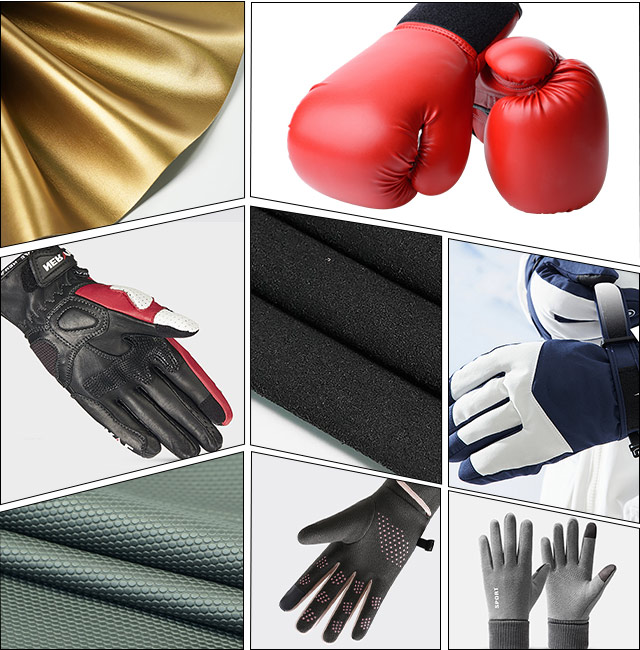
Benefits in Leather Work Gloves
Synthetic leather offers several advantages for leather work gloves in industrial applications. The material's durability leads to less frequent replacements, reducing waste and costs. Synthetic leather gloves require fewer resources to produce, helping to alleviate pressure on land use and deforestation. Many synthetic leathers are recyclable, supporting a circular economy and promoting resource conservation. Production methods lower emissions compared to traditional leather, contributing to a cleaner environment.
|
Benefit Type |
Description |
|---|---|
|
Chemical Safety |
Phthalate-free production reduces hazardous substances |
|
Recyclability |
Gloves made from synthetic leather can be recycled, reducing waste |
|
Emissions Reduction |
Manufacturing synthetic leather gloves lowers emissions compared to livestock-based leather |
|
Resource Efficiency |
Fewer resources needed for production, supporting sustainability |
Synthetic leather gloves align with the goals of companies focused on sustainability and ethical sourcing. They meet growing consumer demand for eco-friendly products, enhancing brand appeal. The stable pricing of synthetic leather gloves helps manufacturers manage costs, as traditional leather prices often fluctuate. Synthetic leather gloves also provide protection against chemicals, which traditional leather gloves may not offer. The versatility in design, color, and finish allows companies to create gloves that improve visibility and safety in hazardous environments.
Synthetic leather gloves combine protection, quality, and sustainability, making them a smart choice for modern industrial workplaces.
Choosing Leather Work Gloves
Matching Leather to Task
Selecting the right leather gloves starts with understanding the hazards of each job. Workers face risks such as cuts, heat, chemicals, and abrasion. Matching glove material to these hazards improves safety and performance.
Cut and puncture resistance matters for tasks involving sharp tools or metal. Reinforced leather gloves protect against these injuries.
Heat resistance is essential for welding or metalwork. Gloves with protective linings and high temperature ratings shield hands from burns.
Chemical resistance is vital in laboratories or cleaning jobs. Workers should choose gloves designed for the specific chemicals they handle.
Dexterity and grip help with assembly and inspection. Gloves with pre-curved fingers and textured surfaces allow precise movements.
Seam construction affects durability. Gloves with strong stitching last longer in high-stress areas.
Compliance with safety standards, such as ASTM International and EN 388, ensures gloves meet industry requirements.
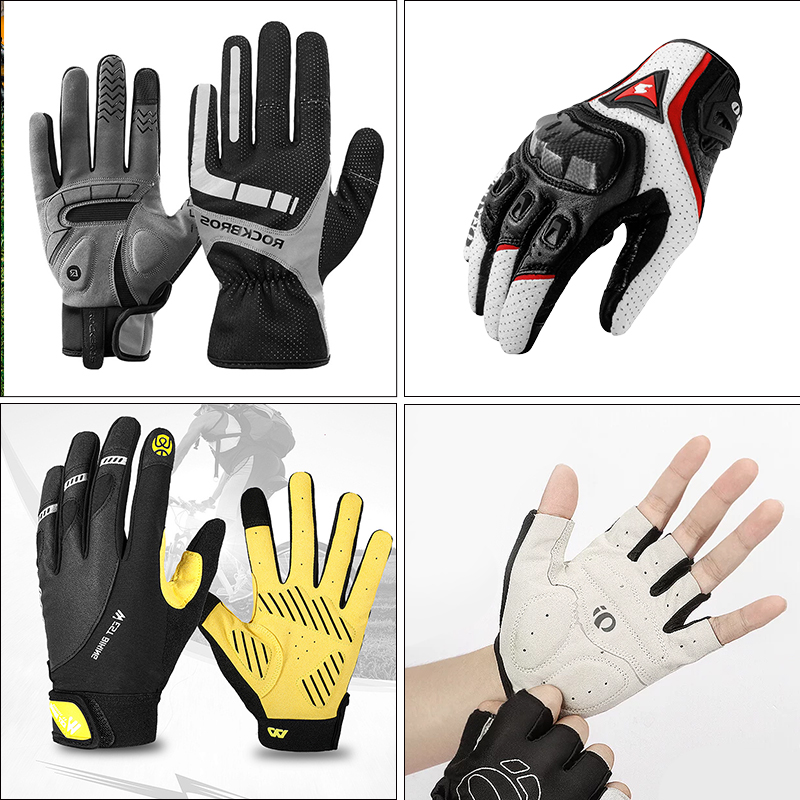
Workers should avoid common mistakes. Using the wrong gloves for a task increases injury risk. Wearing ill-fitting gloves causes discomfort or accidents. Regular cleaning and inspection keep gloves in good condition. Damaged gloves must be replaced immediately. Proper glove removal prevents contamination.
Tip: Always conduct a risk assessment before choosing leather gloves. This step helps match glove features to workplace hazards.
Comfort and Durability
Comfort and durability influence how often workers wear leather gloves. Full-grain leather offers the highest quality, combining flexibility and resistance to wear. Workers prefer gloves that feel comfortable, reducing the urge to remove them during tasks. Durable gloves prevent tears and last through repeated use.
Leather gloves protect against abrasion, chemicals, and heat. Full-grain leather suits demanding jobs, while deerskin provides superior comfort for tasks requiring dexterity. Cowhide resists dirt and water, making it practical for industrial environments. Workers should select gloves that balance comfort and durability for their specific needs.
Workers value comfort to avoid frequent glove removal.
Durability prevents gloves from degrading quickly.
Leather gloves enhance protection in industrial settings.
Note: Gloves that fit well and offer comfort improve productivity and safety.
Cost and Sustainability
Cost and sustainability play important roles in glove selection. Traditional leather gloves cost more initially but last longer, making them cost-effective over time. Synthetic gloves, such as those from Faux Leathers, have lower upfront costs but may require more frequent replacement.
|
Type of Gloves |
Initial Cost |
Durability |
Long-term Cost Effectiveness |
|---|---|---|---|
|
Leather Gloves |
Higher |
More durable |
More cost-effective over time |
|
Synthetic Gloves |
Lower |
Less durable |
More expensive over time due to replacements |
Environmental impact also matters. Synthetic leather is plastic-based and not biodegradable, though some brands use recycled materials to reduce pollution. Real leather is biodegradable but requires significant water and energy for production. Responsible manufacturing can make traditional leather more sustainable.
Industry standards and certifications, such as ANSI/ISEA 105 and CE EN388, guide glove selection. These standards ensure leather gloves meet safety regulations and protect workers from injuries. Compliance builds trust and reliability in glove quality.
Choosing leather gloves involves balancing cost, durability, comfort, and environmental impact. Workers should consider both traditional and synthetic options to find the best fit for their tasks.
Care and Maintenance
Proper care and maintenance help industrial gloves last longer and perform better. Workers who understand how to clean and store their gloves can protect their hands and save money over time. Both natural and synthetic leather gloves require specific attention to keep them in top condition.
Cleaning Leather Gloves
Natural leather gloves need gentle cleaning to preserve their protective qualities. Dirt and debris can damage the leather if left untreated. Workers should follow these steps to extend the lifespan of their gloves:
Brush off dirt and debris with a soft brush or damp cloth.
Use a damp microfiber cloth with mild soap to clean the surface. Test the soap on a hidden area first to check for colorfastness.
Rinse washable leather gloves under cold running water for a few seconds to remove surface dirt.
For heavily soiled gloves, professional cleaning may be necessary.
Lay gloves flat to dry. Avoid placing them near heat sources, as heat can cause the leather to crack.
Apply a leather conditioner after drying. This step keeps the leather soft and flexible.
Clean the inside with a mixture of vinegar and water. This helps eliminate odors and bacteria.
Store gloves in a cool, dry place. Proper storage prevents mold and maintains glove shape.
Tip: Regular cleaning and conditioning help leather gloves stay comfortable and durable, even after repeated use.
Maintaining Synthetic Leather
Synthetic leather gloves, such as those made from Faux Leathers' synthetic leather 1, offer easy maintenance and long-lasting performance. Workers can keep these gloves in good condition by following simple care routines.
Start by wiping the gloves with a damp cloth to remove dirt and grime. Mild soap can help with stubborn stains, but harsh chemicals should be avoided. Synthetic leather resists water, so light moisture will not harm the material. However, soaking the gloves is not recommended. After cleaning, allow the gloves to air dry away from direct sunlight or heat sources.
Synthetic leather does not require conditioning like natural leather. The material maintains its flexibility and appearance with minimal effort. For added hygiene, workers can use a gentle disinfectant wipe on the glove surface. Storing synthetic leather gloves in a cool, dry place prevents warping and keeps them ready for use.

|
Care Step |
Natural Leather Gloves |
Synthetic Leather Gloves |
|---|---|---|
|
Cleaning |
Mild soap, damp cloth |
Damp cloth, mild soap |
|
Drying |
Air dry, avoid heat |
Air dry, avoid sunlight/heat |
|
Conditioning |
Leather conditioner needed |
Not required |
|
Odor/Bacteria Control |
Vinegar-water mix inside |
Disinfectant wipe on surface |
|
Storage |
Cool, dry place |
Cool, dry place |
🧤 Consistent care ensures both natural and synthetic leather gloves deliver reliable protection and comfort throughout their service life.
Industrial gloves use both traditional and synthetic leathers, each offering distinct advantages. The table below highlights key differences:
|
Feature |
Traditional Leather Gloves |
Synthetic Gloves |
|---|---|---|
|
Protection |
High durability, heat resistance, natural grip |
Lower durability, less heat resistance |
|
Comfort |
Generally more comfortable due to natural materials |
Can be less comfortable, varies by material |
|
Sustainability |
Biodegradable, fewer synthetic chemicals used |
Non-biodegradable, high energy consumption in production |
Workers should follow these steps to select the best glove material for specific tasks:
Assess hazards such as cuts, chemicals, heat, or vibration.
Choose cut-resistant gloves for sharp objects.
Select chemical-resistant gloves for handling hazardous substances.
Use leather or thermal gloves for heat and abrasion.
Opt for reinforced gloves to reduce impact risks.
Consider comfort and fit for dexterity.
Check compliance with ANSI/ISEA 105 or EN 388 standards.
Safety standards like ANSI/ISEA 105 and EN 388 ensure gloves meet certified protection levels for industrial hazards.
Selecting luxury leather gloves or synthetic options from Faux Leathers, such as synthetic leather 1, allows companies to balance protection, comfort, and sustainability. Motorcycle gloves also benefit from these material choices, offering both safety and style. Workers should prioritize both safety and environmental responsibility when choosing leather work gloves.

FAQ
What is the difference between grain leather and split leather in gloves?
Grain leather comes from the outer layer of the hide and offers durability and softness. Split leather comes from the lower layer and provides abrasion resistance. Workers choose grain leather for comfort and split leather for tough environments.
How should workers clean synthetic leather gloves?
Workers should wipe synthetic leather gloves with a damp cloth. Mild soap helps remove stains. Air drying away from sunlight preserves the material. Synthetic leather does not need conditioning. Regular cleaning keeps gloves looking new.
Are synthetic leather gloves suitable for people with allergies?
Synthetic leather is generally hypoallergenic. People with allergies to animal products can wear synthetic leather gloves safely. Manufacturers design these gloves to minimize skin irritation.
Which type of leather glove works best for wet conditions?
Pigskin leather gloves work best in wet conditions. The natural lanolin in pigskin keeps gloves soft and flexible after exposure to moisture. Workers in outdoor or oily environments often choose pigskin gloves.
Do synthetic leather gloves provide the same protection as real leather?
Synthetic leather gloves offer strong abrasion and cut resistance. They may not match the heat resistance of real leather. Manufacturers design synthetic gloves for durability and easy maintenance in industrial settings.
How can workers extend the lifespan of leather gloves?
Workers should clean gloves regularly, avoid heat during drying, and store them in a cool, dry place. Applying leather conditioner keeps natural leather soft. Inspecting gloves for damage ensures continued protection.
What certifications should workers look for in industrial gloves?
Workers should look for gloves certified by ANSI/ISEA 105 or EN 388. These standards ensure gloves meet safety requirements for cut, abrasion, and chemical resistance. Certified gloves provide reliable protection in industrial environments.
Can synthetic leather gloves be recycled?
Many synthetic leather gloves use recyclable materials. Recycling options depend on local facilities and the specific type of synthetic leather. Manufacturers increasingly use eco-friendly production methods to support sustainability.